The Fan-Made Phenomenon Disrupting Nintendo's Playbook: Inside the Surge of 'Fire Emblem: Fortune’s Weave'
In the highly competitive landscape of intellectual property (IP) and gaming, a quiet revolution is taking place at the intersection of nostalgia and grassroots software engineering. Over the past week, search engines and community forums have witnessed an unprecedented surge in traffic surrounding "Fire Emblem: Fortune’s Weave"—a highly sophisticated, fan-engineered tactical role-playing game (RPG) built upon the foundation of Nintendo’s classic Game Boy Advance (GBA) engine.
For corporate strategists and gaming enthusiasts alike, the viral breakout of Fortune’s Weave highlights a growing macroeconomic trend: the power of user-generated content (UGC) to rival multi-million dollar studio budgets in consumer engagement. While Nintendo guards its proprietary franchises with aggressive legal frameworks, the sheer technical brilliance of this community-driven project is forcing a broader conversation on the economic utility of fan-made spin-offs.
Executive Summary: The Quick Take on 'Fortune’s Weave'
- The Event: A massive spike in global search interest and community engagement for Fire Emblem: Fortune’s Weave, a highly polished, custom-built romhack of the beloved tactical RPG series.
- Why It Matters: The project demonstrates a massive, untapped demand for classic 2D pixel-art tactical games, contrasting with Nintendo’s current corporate focus on 3D console experiences like Fire Emblem Engage.
- The Technical Feat: Leveraging advanced custom engines (specifically building upon the classic Fire Emblem 8 codebase), the developers have integrated modern mechanics, completely custom musical scores, and cinematic-grade custom animations.
- The Legal Risk: As a derivative work utilizing Nintendo’s intellectual property, Fortune's Weave exists in a volatile gray area, highly susceptible to Nintendo’s historical pattern of Digital Millennium Copyright Act (DMCA) takedown notices.
Anatomy of a Grassroots Masterpiece: What is 'Fortune’s Weave'?
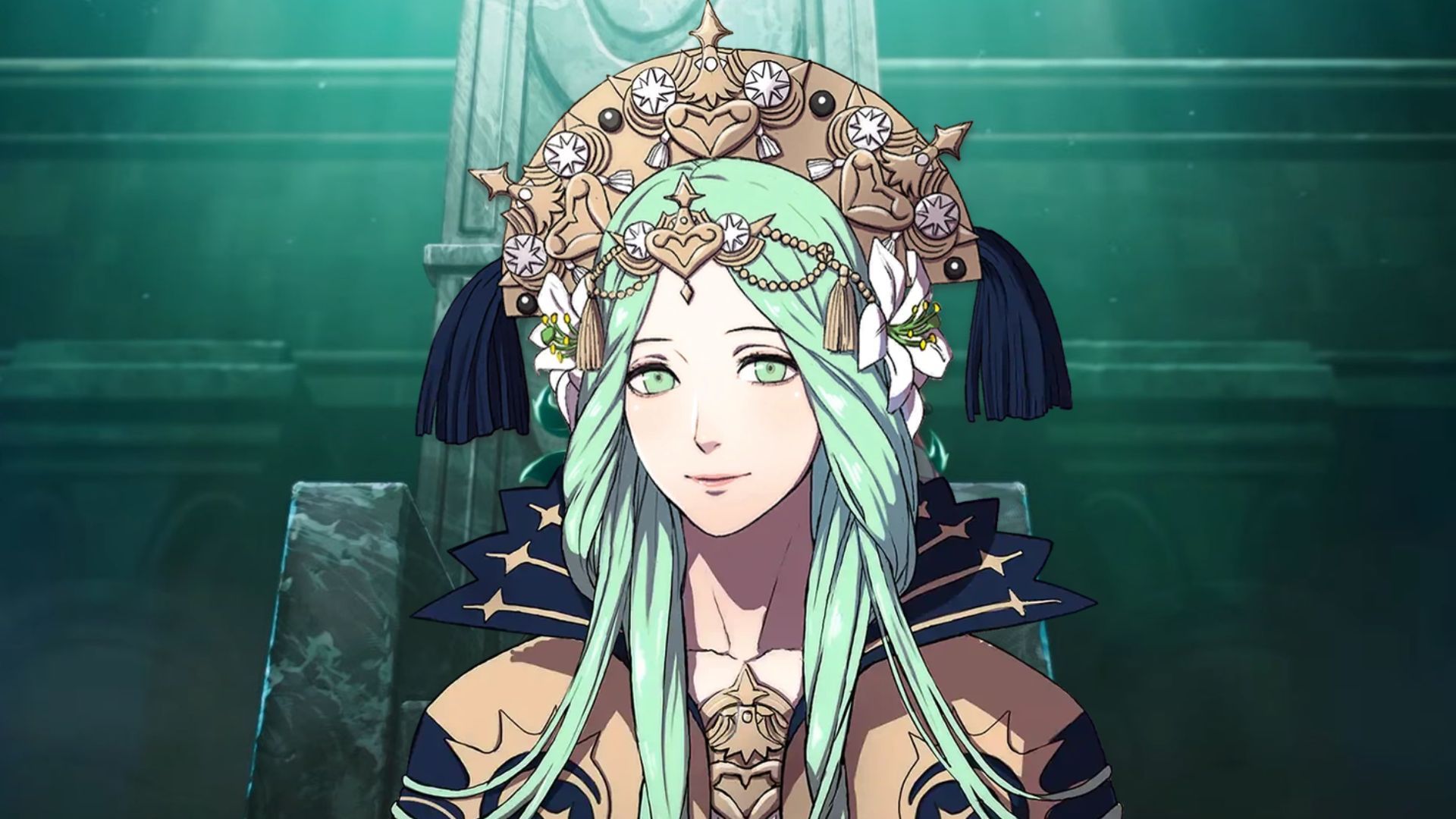
Unlike standard modifications that merely swap character skins or adjust difficulty parameters, Fire Emblem: Fortune’s Weave is a full-scale, ground-up creative endeavor. The project serves as an unofficial, spiritual continuation of the GBA-era design philosophy, widely regarded by purists as the golden age of tactical grid-based combat.
Set in an entirely original fantasy continent, the narrative of Fortune's Weave introduces a complex socio-political conflict, mirroring the mature writing style of classic entries like Genealogy of the Holy War. What sets this project apart—and explains its sudden viral trajectory—is its mechanical ambition. The development team has successfully backported modern gameplay mechanics from recent Nintendo Switch titles, including complex skill systems, dynamic branching class trees, and highly refined user interfaces, all compressed into a 16-bit aesthetic constraint.
Industry analysts point out that this level of execution requires thousands of hours of unpaid, highly specialized labor, spanning assembly language programming, pixel artistry, and narrative design. It represents a level of craftsmanship that typically demands a mid-tier studio budget to replicate.
Data Analysis: How 'Fortune's Weave' Compares to Official GBA Classics
To understand the scale of Fortune’s Weave, it is helpful to look at how it stacks up mechanically against the official historical titles published by Nintendo during the GBA era:
| Feature Set | Fire Emblem: The Sacred Stones (Official, 2004) | Fire Emblem: Fortune’s Weave (Fan-Project, 2024) | Strategic Implications |
|---|---|---|---|
| Visual Engine | Standard GBA 16-Bit Color | Enhanced GBA with Custom Animations | Maintains nostalgia while elevating visual fidelity. |
| Combat Mechanics | Basic Weapon Triangle, Limited Skills | Modern Skill Systems, Expanded Combat Arts | Deepens strategic complexity for veteran players. |
| Script & Narrative | Linear Campaign (~20 Chapters) | Branching Narrative, Massive Custom Script | Increases replayability and community discussion. |
| Distribution Model | Retail Cartridge / Paid Digital Virtual Console | Free-to-Download IPS Patch (Requires ROM) | Zero-revenue model designed to mitigate legal liability. |
The Intellectual Property Paradox: Passion vs. Protectionism
From a Wall Street perspective, the rise of projects like Fortune’s Weave presents a complex intellectual property paradox. On one hand, fan games act as powerful, free marketing engines that keep a franchise relevant during long development cycles between official releases. They foster intense brand loyalty and serve as unofficial focus groups, proving which mechanics resonate most deeply with the core consumer base.
On the other hand, corporations like Nintendo operate under strict fiduciary duties to protect their trademarks. Allowing unauthorized derivatives to circulate unchecked can legally dilute a brand's exclusive rights. Nintendo’s history of aggressive enforcement—most famously targeting projects like Project M (a Super Smash Bros. mod) and AM2R (Another Metroid 2 Remake)—hangs like a sword of Damocles over the creators of Fortune’s Weave.
However, the modern distribution of these games has evolved. By releasing the game strictly as an "IPS patch file"—which contains only the custom modifications and none of Nintendo’s copyrighted base game code—the creators of Fortune’s Weave have taken meticulous precautions to comply with technical legal standards. Users must provide their own legally acquired copy of the original game to apply the patch, shifting the burden of compliance onto the individual player.
The Future Outlook: A New Era for Indie Tactical RPGs
Whether Fire Emblem: Fortune’s Weave survives the shifting winds of corporate legal departments or is eventually relegated to underground archives, its impact is already undeniable. The project has proven that there is a massive, highly motivated market for high-quality, grid-based tactical strategy games that prioritize deep mechanics over flashy 3D visuals.
This trend has already begun to influence the broader indie publishing space. Publishers are increasingly looking to top-tier modding talent to recruit developers for original commercial projects. Just as the modding communities of Warcraft III gave birth to the multi-billion dollar MOBA genre, the innovations polished in projects like Fortune’s Weave are highly likely to find their way into the next generation of commercially licensed indie tactical RPGs.
Frequently Asked Questions
Is 'Fire Emblem: Fortune’s Weave' an official Nintendo release?
No. Fire Emblem: Fortune’s Weave is an entirely unofficial, fan-made project developed by independent creators and programmers. It is not endorsed, sponsored, or affiliated with Nintendo, Intelligent Systems, or any associated corporate entities.
How can consumers play the game without violating copyright laws?
The developers distribute the project solely as a patch file (such as a .ups or .ips file). To play the game legally, players must extract a digital copy (ROM) of their own legally purchased physical cartridge of Fire Emblem: The Sacred Stones and apply the patch using a standard patching utility. This ensures that no copyrighted Nintendo code is directly distributed by the fan developers.