Tragedy in Athens: Suspected Gas Explosion Kills 6, Including 4 American Tourists, Shaking Greece’s Tourism Heartland
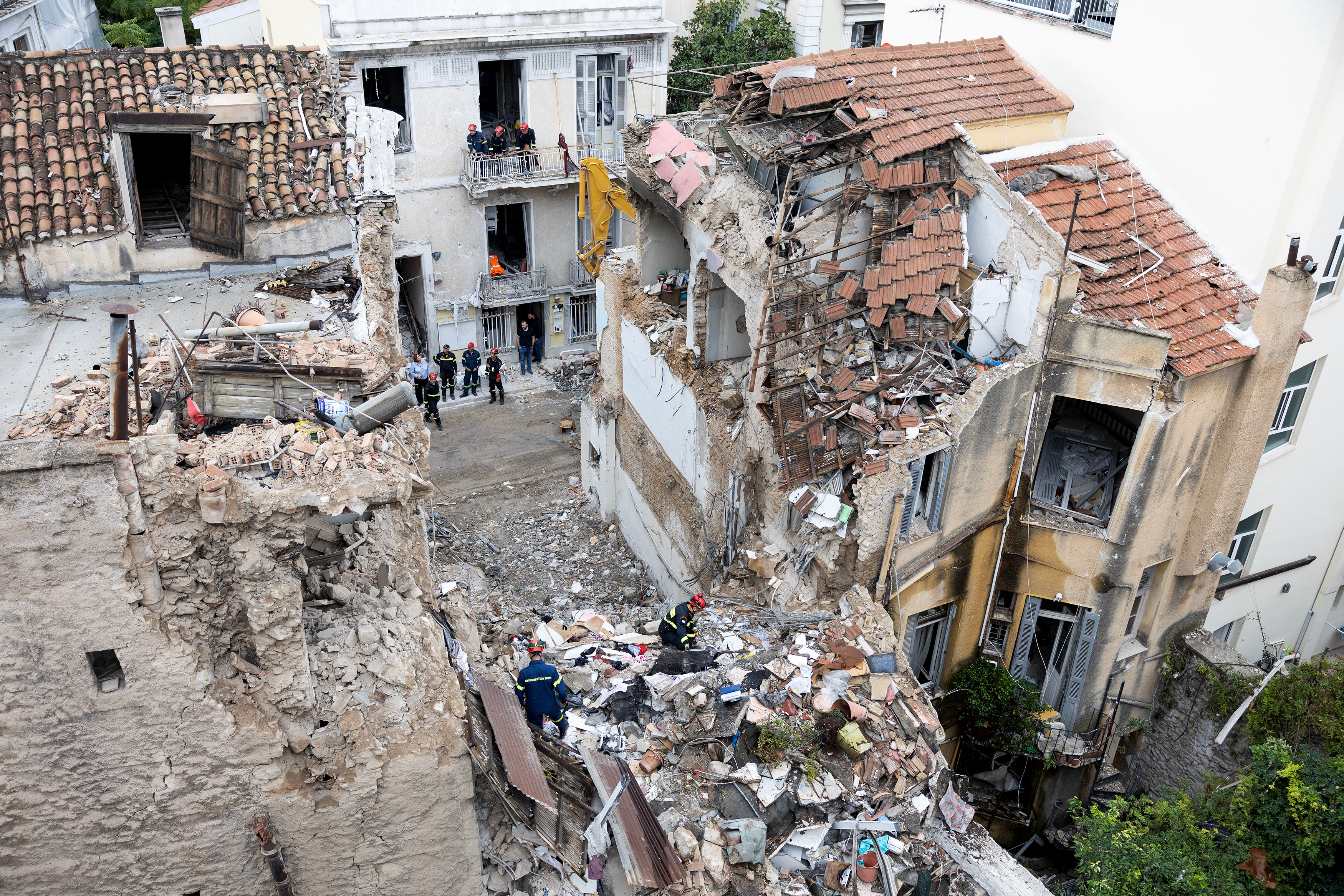
ATHENS, Greece — A catastrophic explosion, suspected to have been triggered by a major gas leak, ripped through a historic building in the heart of Athens on Saturday, killing at least six people. Among the dead are four American tourists who were staying in the historic Plaka district, Greek authorities and diplomatic sources confirmed. The violent blast triggered a partial structural collapse, leaving at least two other women critically injured and sending shockwaves through Greece’s vital tourism sector.
The incident occurred in the early hours of September 26, 2026, in Plaka, an ancient, picturesque neighborhood nestled at the foot of the Acropolis. Renowned for its neoclassical architecture, narrow cobblestone streets, and bustling tavernas, Plaka is a primary hub for international travelers, particularly high-spending visitors from the United States. The sudden disaster has raised urgent questions regarding infrastructure safety, regulatory oversight of aging municipal gas lines, and the rapid growth of unregulated tourist accommodations in historic European capitals.
Executive Summary: Key Takeaways
- The Casualties: Six fatalities have been confirmed, including four U.S. citizens traveling on leisure. Two local women have been hospitalized with severe crush injuries and burns.
- The Location: The blast occurred in a multi-story, mixed-use historic building in Plaka, housing boutique tourist rentals on the upper floors and a traditional ground-floor establishment.
- Suspected Cause: Preliminary investigations by the Athens Fire Service point to a severe liquefied petroleum gas (LPG) or natural gas leak in the basement of the structure.
- Economic & Diplomatic Impact: The U.S. Embassy in Athens is actively coordinating with Greek forensic teams. The incident threatens to trigger immediate safety audits of historic buildings, potentially disrupting autumn tourism.
The Blast in Plaka: What Happened

According to eyewitness accounts and local emergency services, the explosion occurred at approximately 7:15 AM local time, a period when the surrounding streets were relatively quiet. The force of the blast was so powerful that it shattered windows up to three blocks away, blew out storefronts, and caused the immediate collapse of the building's interior floors and facade.
"It felt like an earthquake, but accompanied by a deafening, metallic roar," said Nikos Georgiadis, an Athens resident who operates a bakery nearby. "Within seconds, the street was filled with a thick cloud of yellow dust and smoke. We ran outside to find the front of the neighboring building entirely gone, with debris raining down onto the cobblestones."
More than 30 firefighters, alongside specialized search-and-rescue teams (EMAK) and sniffer dogs, rushed to the scene. Rescuers worked through unstable rubble to pull survivors and victims from the wreckage. By midday, emergency services confirmed that six bodies had been recovered. Two women, identified as local Greek nationals working in the vicinity, were rescued from the ground-level debris and transported to the Evangelismos General Hospital in critical condition.
Who the Victims Are and the Diplomatic Fallout
The identity of the victims has not been formally released pending notifications to their next of kin. However, a senior official within the Greek Ministry of Disaster Crisis and Climate Change confirmed that four of the deceased were American citizens. The group is believed to have rented an apartment on the second floor of the collapsed building via a popular short-term lodging platform.
The U.S. State Department issued a statement expressing profound condolences to the families of the victims. "We are closely monitoring the situation in Athens and are in direct contact with local authorities to provide all necessary consular assistance to the families of the American citizens involved," a State Department spokesperson said.
This tragedy is expected to draw scrutiny toward the safety standards of short-term vacation rentals in Greece. Unlike traditional luxury hotels, many boutique rentals housed in historic buildings are not subjected to the same rigorous, frequent fire-safety and gas-system inspections, creating a regulatory gray area that safety advocates have long criticized.
Incident Overview & Casualties
The table below summarizes the key data verified by emergency services and municipal officials within the first three hours of the investigation:
| Metric / Detail | Confirmed Information |
|---|---|
| Date & Time | September 26, 2026, at approximately 07:15 AM EEST |
| Location | Historic Plaka District, Central Athens, Greece |
| Total Confirmed Fatalities | 6 individuals (including 4 U.S. tourists) |
| Total Confirmed Injured | 2 individuals (both women, currently in critical condition) |
| Primary Suspected Cause | Subterranean gas leak / Liquefied Petroleum Gas (LPG) accumulation |
| Structural Damage | Complete internal collapse of a historic multi-story building; adjacent property damage |
Under the Surface: Structural & Infrastructure Concerns
For Greece, the economic stakes of this tragedy are immense. Tourism accounts for roughly 20 percent of the nation's Gross Domestic Product (GDP), and the country has enjoyed a record-breaking summer season in 2026. American tourists are highly valued for their high average spending per capita. Any perception that historic accommodations in Athens are structurally unsafe could trigger cancellations and dent investor confidence in the Greek hospitality sector.
The structural vulnerability of Plaka's historic buildings is a well-known challenge. Many structures in the area date back to the 19th and early 20th centuries. While they undergo aesthetic renovations to convert them into high-end rentals, their underlying utility infrastructure—including gas lines, electrical wiring, and plumbing—often remains outdated.
"We are dealing with a historic building stock that was never engineered to handle modern commercial energy loads without continuous, rigorous oversight," explained Dr. Christos Raptis, an urban infrastructure analyst based in Athens. "If this blast is confirmed to be a gas leak, it points to a systemic failure in routine pipeline maintenance and building safety certification."
What Lies Ahead: Investigation and Safety Audits
The Prime Minister’s office has announced an immediate, fast-tracked investigation into the incident. The Athens public prosecutor’s office has already appointed an independent panel of structural engineers and gas safety experts to determine the exact point of failure.
Political pressure is mounting on municipal authorities to launch an immediate, city-wide safety audit of all commercial and residential properties operating as short-term rentals in historic zones. With autumn tourism still in full swing, local business owners in Plaka are calling for swift answers to reassure international visitors that the historic district remains a safe destination.
Frequently Asked Questions
What caused the building collapse in Athens' Plaka district?
Preliminary findings by the Athens Fire Service indicate that the collapse was caused by a highly powerful explosion triggered by a suspected gas leak, likely involving liquefied petroleum gas (LPG) or natural gas located in the basement or lower level of the historic building.
How will this affect international tourists planning to visit Athens?
While the immediate area surrounding the blast site in Plaka has been cordoned off for search-and-recovery and structural stabilization, the rest of Athens remains open. However, travelers should expect heightened safety inspections, potential localized utility disruptions, and stricter regulatory checks on short-term vacation rentals throughout the historic center in the coming weeks.