Executive Takeaways
Test Our Free AI & Tech Utilities Suite
Calculate LLM API token costs, analyze article dwell-time, or simulate tech DCA returns.
- Asian Markets Exhibit Sectoral Split: Regional equity benchmarks delivered mixed performance across Asia-Pacific sessions as a persistent sell-off in high-valuation technology equities was offset by gains in energy, materials, and value-oriented financial stocks.
- Semiconductor & AI Multiples Compress: Megacap technology suppliers—led by chipmakers in Tokyo, Seoul, and Taipei—faced sharp profit-taking as institutional investors re-evaluated elevated forward price-to-earnings (P/E) ratios and cloud compute capital expenditure returns.
- Crude Oil Rebounds on Tight Supply & Geopolitical Friction: Global benchmark crude futures rebounded sharply, buoyed by OPEC+ voluntary production discipline, unexpected commercial inventory draws, and lingering shipping vulnerabilities in key maritime corridors.
- Institutional Reallocation Strategy: Asset managers are actively shifting capital toward defensive, cash-flow-generative yield plays while implementing downside tail-risk hedging across high-beta technology portfolios.
The Macro Divergence: Tech Valuations De-rate as Energy Pivots

Global financial markets reached a pivotal structural inflection point during the Asian trading session, characterized by a sharp rotation out of stretched technology growth names into capital-intensive, high-cash-flow traditional sectors. As overnight momentum from Wall Street signaled rising skepticism over near-term enterprise return on investment (ROI) for artificial intelligence infrastructure, Asian technology hardware giants bore the brunt of intense sell-side pressure. Simultaneously, energy commodities executed a firm recovery, forcing macro hedge funds and institutional trading desks to recalibrate asset allocations in real time.
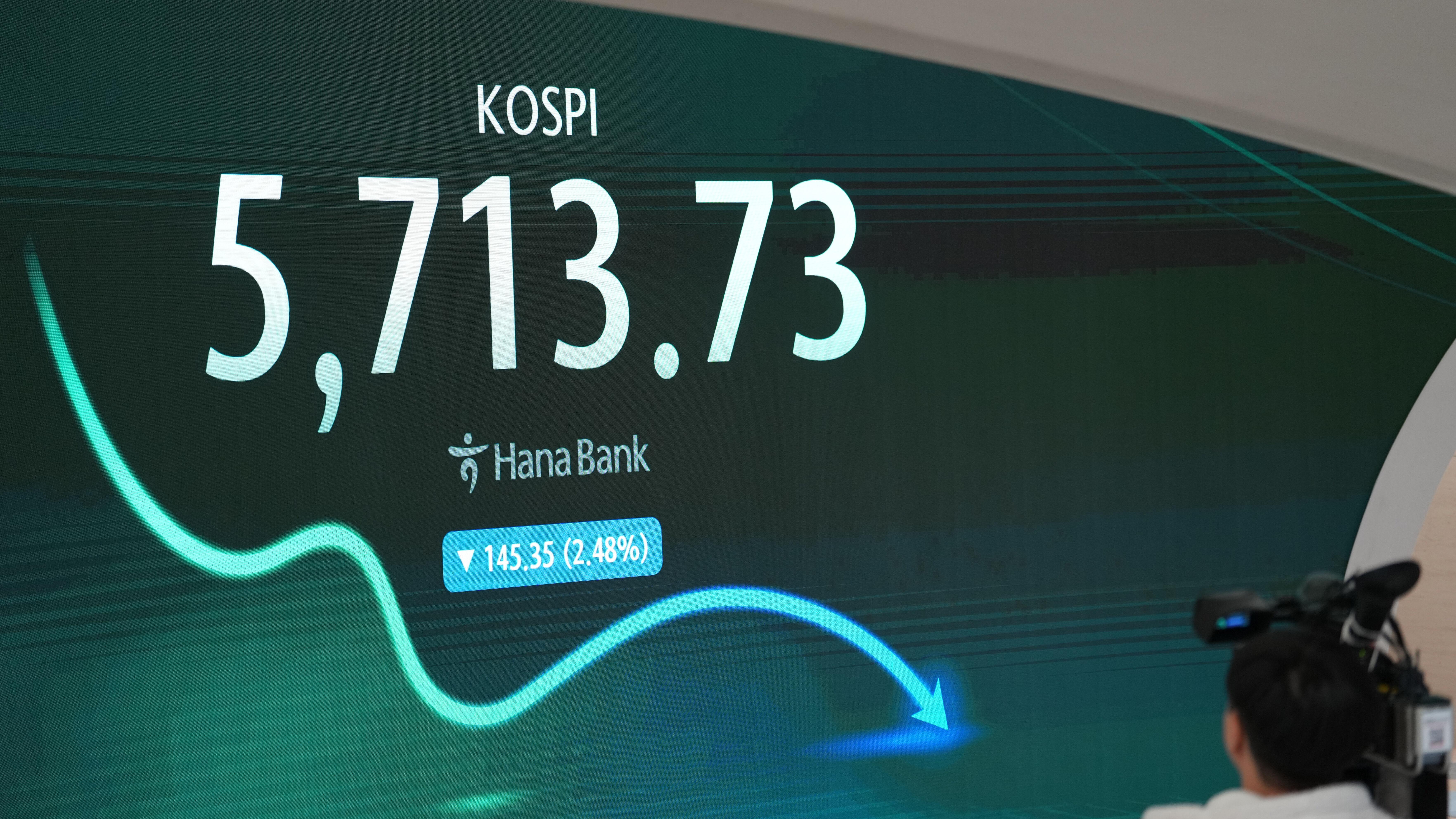
In Tokyo, the Nikkei 225 declined by 1.35%, dragged lower by heavyweights in the semiconductor manufacturing equipment and microelectronics space. Taiwan’s TWSE Index similarly retreated 1.12%, with leading foundry operators experiencing foreign portfolio outflows. Conversely, Hong Kong’s Hang Seng Index edged up 0.45%, buoyed by state-linked energy majors and telecommunication blue chips that offer high dividend yields and resilient defensive buffers. Mainland China’s Shanghai Composite traded flat to slightly positive, demonstrating relative insulation due to targeted liquidity injections by the People's Bank of China (PBOC) and domestic sovereign fund interventions.
The core catalyst behind the tech drawdown lies in a broader institutional recalibration of technology valuation multiples. Over the past four quarters, enterprise spending on cloud compute architecture, advanced graphics processing units (GPUs), and data center expansion pushed tech equity valuations to historic highs. However, recent corporate treasury checks and supply-chain audits suggest that while capital expenditure remains elevated, monetization horizons for enterprise software deployment are extending. Consequently, sovereign wealth funds and global macro managers are taking money off the table, enforcing strict portfolio risk mitigation frameworks before upcoming central bank policy decisions.
Meanwhile, the energy complex experienced a sharp reversal. Brent crude futures rebounded toward $85.50 per barrel, while West Texas Intermediate (WTI) climbed back above $81.20 per barrel. The rally was driven by a convergence of tightening physical spot markets, disciplined supply management from OPEC+ members, and an updated demand forecast from global energy agencies pointing to persistent structural deficits through the second half of the calendar year.
Quantitative Breakdown: Asset Class & Index Metrics
To contextualize the magnitude of today's market movements across the Asia-Pacific region and global commodity channels, the following matrix details key price actions, institutional flows, and underlying valuation adjustments:
| Asset / Index | Session Movement | Primary Driver | Institutional Flow Intent | Implied Volatility (30D) |
|---|---|---|---|---|
| Nikkei 225 (Japan) | -1.35% | Semiconductor capital equipment weakness; JPY stabilization | Net Distribution / Profit Taking | Elevated (19.4) |
| Hang Seng (Hong Kong) | +0.45% | Energy & State-Owned Enterprise (SOE) dividend demand | Selective Accumulation | Moderate (22.1) |
| KOSPI (South Korea) | -0.98% | Memory chip price uncertainty & high-beta tech correction | Foreign Outflows | Elevated (18.2) |
| Taiwan Weighted (TAIEX) | -1.12% | Foundry supply-chain profit booking & valuation de-rating | Institutional Hedging | Moderate-High (17.8) |
| Brent Crude Futures | +1.85% | OPEC+ supply compliance & commercial inventory draws | Systematic CTA Re-leveraging | High (24.6) |
| WTI Crude Futures | +2.10% | U.S. crude stock drawdowns & refined product demand | Long Futures Accumulation | High (25.3) |
| U.S. 10-Year Treasury Yield | +4 bps (4.28%) | Sticky inflation expectations & supply auction absorption | Duration Shortening | Low-Moderate (12.1) |
Institutional Capital Rotation and Structural Realignment
The widening divergence between technology equities and physical commodities underscores a fundamental shift in macro positioning. For much of the past year, capital allocation was heavily concentrated in growth-at-any-price assets, driving concentration risk in global equity indices to multi-decade highs. Today's trading dynamics reflect a tactical reset as institutional risk managers re-enforce liquidity buffers and re-align portfolios with macroeconomic fundamentals.
Macroeconomic data continue to complicate central bank easing trajectories. Persistent service-sector inflation in major developed market economies, combined with firming commodity prices, has dampened market expectations for aggressive, near-term rate cuts by the Federal Reserve and the European Central Bank. As global sovereign bond yields stabilize at elevated levels, the discount rate applied to long-duration growth assets increases. This technical adjustment mechanically compresses forward valuation multiples for technology firms whose earnings are weighted heavily toward future years.
Chief Chief Investigative Editor’s Note
What we are witnessing in Asia is not a systemic crisis, but a rational capital reallocation cycle. Smart money is shifting out of speculative tech duration and reallocating into cash-flow-generative enterprise real assets, primary energy suppliers, and under-valued value segments that provide immediate yield and structural inflation protection.
Concurrently, corporate enterprise balance sheets are undergoing rigorous internal audit reviews. Chief Information Officers (CIOs) across global corporations report that while AI enterprise ROI is positive over long horizons, near-term implementation bottlenecks—such as power grid infrastructure constraints, high enterprise software licensing fees, and cybersecurity regulatory compliance demands—are delaying hyper-scale revenue realization. This operating reality has prompted systematic algorithmic trading models and Commodity Trading Advisors (CTAs) to reduce long exposure in chip designers and equipment manufacturers while executing long positions in energy futures and high-dividend industrial conglomerates.
Industry & Market Implications: Asymmetric Sector Impact
The structural rotation across Asian capital markets creates pronounced divergence across corporate sectors, balance sheet profiles, and regional supply chains:
Sectoral Winners
- Upstream Energy & Integrated Oil Majors: Refiners and exploration and production (E&P) firms benefit directly from expanding refining margins, firm spot prices, and sustained capital discipline, enhancing their capacity for share buybacks and yield distributions.
- Defensive High-Yield Financials: Commercial banks and insurance firms in Asian financial centers benefit from sustained net interest margins (NIMs) supported by higher-for-longer policy rates.
- Defense & Critical Infrastructure Providers: Ongoing geopolitical frictions continue to spur state-directed capital expenditure into defense industrial base scalability and power grid modernization hardware.
Sectoral Vulnerabilities
- High-Beta Fabless Semiconductor Firms: Designers lacking diversified end-market exposure face valuation compression if hyperscaler capital spending slows down or undergoes extended procurement cycles.
- Fuel-Intensive Transportation & Logistics: Maritime shipping lines, air cargo carriers, and legacy airlines face compressed operating margins as jet fuel and marine bunker fuel input costs rise alongside crude rebounds.
- Consumer Tech Hardware Manufacturers: Discretionary hardware suppliers struggle with elevated input component costs while end-consumer demand across mature markets remains price-sensitive.
Frequently Asked Questions (People Also Ask)
Why is the global technology sell-off extending into Asian markets?
The Asian technology supply chain is deeply integrated with North American hyperscalers and chip designers. When global institutional investors re-evaluate technology valuation multiples in major Western markets, the sell-off propagates to Asian chipmakers, foundry operators, and advanced packaging suppliers. Investors are demanding tangible short-term ROI on enterprise AI investments, leading to profit-taking on high-P/E hardware equities across Tokyo, Seoul, and Taipei.
What core drivers are powering the current rebound in oil prices?
Crude oil prices are rebounding due to a combination of disciplined supply management by OPEC+, continuous voluntary production cuts, unexpected drawdowns in commercial crude and distillate inventories, and persistent geopolitical tensions affecting key transit routes. Additionally, strong summer cooling demand and elevated industrial usage across emerging Asian economies have tightened physical market balances.
How are foreign exchange movements influencing Asian equity performance?
Foreign exchange rates, particularly the US Dollar against the Japanese Yen (USD/JPY) and Offshore Chinese Yuan (USD/CNH), play a critical role. A stabilizing or strengthening Japanese Yen limits profit margin expansion for Japanese exporters, spurring local market profit-taking. Conversely, a managed and stable Yuan provides policy headroom for Chinese central authorities to deploy monetary stimulus, supporting domestic equity valuations.
How should portfolio managers adjust risk exposure during this market phase?
Institutional portfolio managers are executing risk mitigation strategies by reducing portfolio concentration in overextended growth equities, adopting options-based tail-risk hedges, and reallocating capital into cash-flow-generative sectors. Adding exposure to energy, primary resources, and short-duration fixed-income instruments helps preserve capital while maintaining yield amid structural inflation and high asset volatility.
Future Outlook: Strategic Milestones to Watch
As financial markets navigate this period of structural rotation, market participants must monitor critical macroeconomic and corporate milestones over the coming weeks to gauge market directional stability:
First, upcoming inflation metrics—specifically U.S. Consumer Price Index (CPI) readings and global Purchasing Managers' Index (PMI) prints—will determine whether global central banks can comfortably transition toward monetary easing or if key policy rates must remain restrictive well into the coming year. Any upside inflation surprise will likely accelerate the migration away from growth equities into short-duration cash assets and real-asset commodities.
Second, upcoming corporate earnings reports from tier-one cloud providers and semiconductor foundries will be subjected to intense institutional scrutiny. Market sentiment will depend less on top-line revenue beats and far more on management guidance regarding enterprise software adoption rates, forward capital expenditure commitments, and free cash flow generation balance sheets.
Finally, developments within physical energy supply networks demand close monitoring. Supply compliance among OPEC+ members, potential adjustments to production quotas during strategic policy meetings, and shipping safety across global maritime straits will directly dictate crude volatility. Should energy prices continue their upward trajectory, elevated input costs could re-ignite core inflationary pressures, compelling global central banks to keep financial conditions tight and cementing this dynamic macro shift across global capital markets.