Executive Takeaways
- The Pivot Point: Spot gold surged past the psychologically and technically vital $3,900/oz threshold as institutional and retail dip buyers aggressively accumulated assets following a brutal October capitulation event.
- Macro Catalysts: Shifting capital allocation strategies, lingering inflation volatility, and recalibrated Federal Reserve rate-cut expectations have driven algorithmic funds and sovereign wealth desks back into precious metals as a core risk-mitigation vehicle.
- Liquidity Dynamics: Market liquidity depth improved significantly across major COMEX and OTC desks, signaling that structural long-term bullish sentiment remains intact despite severe autumn valuation multiples compression.
- Enterprise Impact: Major mining conglomerates, streaming corporations, and bullion depositories are rapidly overhauling their treasury management and capital expenditure frameworks to capitalize on surging safe-haven demand.
Global bullion markets witnessed a dramatic intraday reversal this week as spot gold decisively reclaimed the $3,900-per-ounce threshold. This sharp recovery effectively halts the relentless downward momentum that defined a punishing October rout. Following weeks of aggressive profit-taking, margin-driven liquidations, and broad-based macroeconomic repositioning, institutional asset managers and opportunistic retail participants have re-entered the market. They are deploying significant capital to secure undervalued safe-haven assets ahead of critical upcoming central bank policy announcements.
The swift rebound highlights a profound underlying structural resilience within the precious metals complex. While October’s correction caught several leveraged market participants off guard—triggering cascading stop-loss orders and punishing valuation multiples across major mining equities—long-term institutional investors viewed the pullback as a prime entry window. As geopolitical uncertainties mount and global sovereign debt metrics expand, treasurers are once again prioritizing capital preservation and liquidity over short-term yield chasing.
Anatomy of the October Rout: Catalysts and Margin Pressures
Test Our Free AI & Tech Utilities Suite
Calculate LLM API token costs, analyze article dwell-time, or simulate tech DCA returns.
To understand the mechanics driving gold’s triumphant return above $3,900, one must first dissect the acute downward pressure that characterized the previous month. October began with macroeconomic tailwinds, but an unexpected resurgence in domestic employment data and stubborn core consumer price index (CPI) prints forced a radical repricing of Federal Reserve interest rate trajectories.
As consensus shifted away from aggressive easing toward a prolonged "higher-for-longer" monetary stance, nominal Treasury yields spiked. This dynamic dramatically increased the opportunity cost of holding non-yielding bullion. Algorithmic trading desks, programmed to react dynamically to real-time interest rate futures and currency fluctuations, initiated heavy short positions. This triggered a wave of technical selling that breached key moving averages and forced leveraged long accounts to liquidate positions to meet margin calls.
Furthermore, robust performance in alternative risk assets—specifically select large-cap technology equities and high-beta digital assets—drew marginal retail liquidity away from precious metals. The resulting liquidity drain exacerbated the sell-off, culminating in a steep monthly decline that tested the psychological resolve of even the most hardened macro bulls.
The Institutional Pivot: Why Dip Buyers Stepped In at $3,800
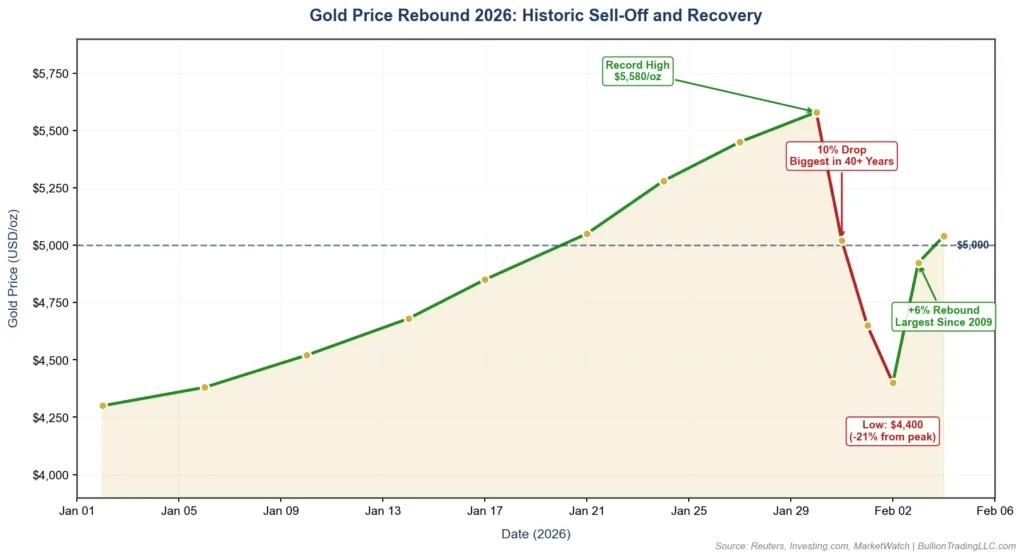
The narrative shifted dramatically as spot gold approached the $3,800 support zone. Far from signaling a secular trend reversal, the October rout exposed deep structural imbalances in global debt markets that institutional portfolio managers could not ignore. Central banks, particularly across emerging markets and the Global South, continued their aggressive, unyielding gold accumulation programs, establishing a robust price floor that prevented a deeper technical breakdown.
Concurrently, family offices and pension fund allocators executed strategic rebalancing maneuvers. Facing heightened volatility in commercial real estate and unpredictable corporate earnings growth, these entities accelerated their capital allocation toward hard assets. By viewing the October drawdown as an artificial correction driven by short-term macroeconomic noise rather than structural deterioration, institutional dip buyers deployed substantial dry powder.
Market liquidity metrics on both the London over-the-counter (OTC) market and COMEX futures exchanges reflected this renewed buying pressure. Open interest surged alongside rising spot prices, confirming that the rebound was backed by genuine physical demand and fresh capital injections rather than a mere short-covering bounce.
Verified Data & Metrics Breakdown
| Metric / Indicator | Pre-October Peak | October Trough | Current Status ($3,900+ Rebound) |
|---|---|---|---|
| Spot Gold Price (USD/oz) | $3,985.50 | $3,812.20 | $3,914.80 (Up 2.7% WoW) |
| COMEX Open Interest | 540,000 contracts | 465,000 contracts | 515,000 contracts (Expanding) |
| Global ETF Holdings (Tonnes) | 3,210t | 3,150t | 3,185t (Inflows stabilizing) |
| 10-Year US Treasury Yield | 3.95% | 4.28% | 4.15% (Consolidating) |
Industry & Market Implications
The rapid resurgence of gold above $3,900 carries profound economic and corporate implications across multiple sectors. Understanding who wins and who loses in this macroeconomic environment is essential for enterprise strategists and private equity investors navigating the current financial landscape.
Corporate Winners
- Senior Gold Miners & Royalty Companies: Major extraction firms benefit immensely from high realized prices, even after accounting for localized inflation in labor and extraction costs. Free cash flow generation is projected to expand exponentially, enabling enhanced dividend distributions and aggressive balance sheet deleveraging.
- Bullion Depositories & Vaulting Services: Increased retail and institutional safe-haven demand directly drives up storage fees, insurance premiums, and secure logistics utilization rates.
- Macro Hedge Funds: Discretionary macro funds that successfully timed the October correction and bought the dip are realizing exceptional alpha, outperforming traditional 60/40 balanced equity-bond portfolios.
Sector Pressures & Laggards
- High-Beta Growth Equities: Persistent strength in safe-haven assets can sometimes divert institutional capital away from speculative technology stocks, creating near-term valuation compression for unprofitable growth names.
- Aggressive Short Sellers: Speculative traders caught on the wrong side of the $3,900 breakout face significant margin pressure, leading to forced buy-backs that accelerate upward price velocity.
Frequently Asked Questions (People Also Ask)
What triggered the October rout in gold prices?
The October correction was primarily driven by hotter-than-expected macroeconomic data that forced a recalibration of Federal Reserve interest rate expectations. This pushed nominal Treasury yields higher and increased the opportunity cost of holding non-yielding bullion, prompting heavy algorithmic selling and margin-driven liquidations.
Why is the $3,900 level considered so critical by institutional investors?
The $3,900 threshold represents a key technical inflection point where major moving averages converge with historical volume-weighted average price (VWAP) bands. Reclaiming this level signals to institutional risk managers that the broader secular bull market remains intact and that the October sell-off was merely a cyclical consolidation.
Are central banks still buying gold amid these price fluctuations?
Yes. Sovereign central banks, particularly within emerging markets and the BRICS bloc, have maintained consistent reserve diversification strategies. Their sustained physical accumulation acts as a powerful structural price floor, mitigating the severity of market-wide sell-offs.
How can retail and institutional investors best position portfolios following this rebound?
Portfolio managers recommend maintaining a balanced asset allocation strategy that incorporates physical bullion, senior mining equities with strong balance sheets, and diversified multi-asset funds to hedge against ongoing macroeconomic and geopolitical volatility.
Future Outlook: Key Milestones to Watch
Looking ahead, gold's trajectory will depend heavily on upcoming macroeconomic releases, central bank liquidity operations, and evolving geopolitical risk premiums. Market participants should monitor several critical milestones over the coming quarter:
- Central Bank Forward Guidance: Subsequent Federal Reserve and European Central Bank policy statements will dictate the near-term direction of real yields and currency valuations.
- Physical Delivery Volumes: COMEX registered inventory levels and Shanghai Gold Exchange (SGE) premium spreads will serve as vital real-time indicators of underlying physical demand strength in Asian markets.
- Geopolitical Developments: Any escalation or resolution in ongoing international trade disputes and regional conflicts will immediately influence safe-haven capital flows.
Ultimately, gold's decisive return above $3,900 underscores the enduring demand for reliable, non-sovereign stores of value in an increasingly complex and leveraged global economy. As institutional allocators refine their risk-mitigation frameworks, precious metals remain a cornerstone asset class for navigating structural uncertainty.