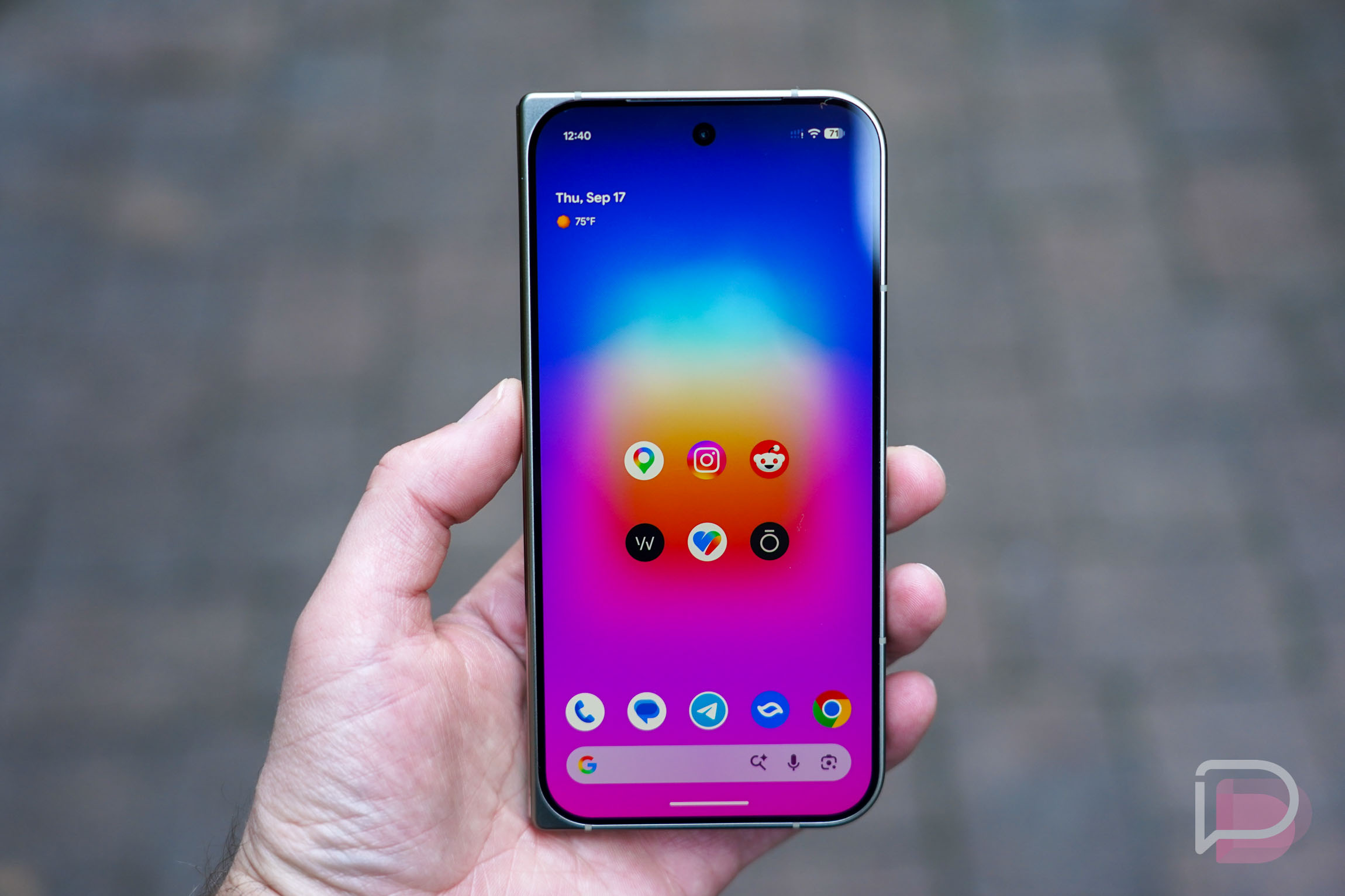
SAN FRANCISCO & NEW DELHI — In an unexpected mid-cycle software deployment that has sent ripples through the global developer community, Google has officially rolled out Android 17 QPR2 Beta 6.1. In a historic move for the tech giant’s hardware lifecycle, the latest update is actively hitting devices as far forward as the unreleased Pixel 11 lineup, signaling a radical shift in how Google synchronizes its cutting-edge mobile operating system with upcoming silicon architecture.
The sudden drop comes amid intense speculation regarding Google's accelerated development cadence. Industry analysts tracking search volumes on Google Trends note a massive spike in queries surrounding stability fixes, battery optimization, and future hardware compatibility. For enterprise users, mobile developers, and early adopters, this release serves as the definitive preview of what will soon power the next generation of mobile devices.
The Inside Story: Why Android 17 QPR2 Beta 6.1 Matters
Quarterly Platform Releases (QPR) typically serve as incremental tuning phases designed to iron out bugs before a stable feature drop. However, Beta 6.1 arrives with a heavier mandate. According to engineering notes distributed via the Android Beta Program, this specific build focuses heavily on core kernel stability, memory management under heavy AI workloads, and seamless integration with upcoming proprietary Tensor processors.
What has caught Wall Street and Silicon Valley off guard is the explicit inclusion of support for the Pixel 11 hardware ecosystem. Historically, pre-release builds remained strictly confined to current-generation hardware and immediate predecessors. By pushing Beta 6.1 to prototype and validation units of the Pixel 11, Google is breaking protocol, effectively confirming that hardware-software co-development is operating months ahead of traditional consumer launch windows.
"We are witnessing a profound compression of the product lifecycle," says a senior mobile semiconductor analyst based in Taipei. "Google is no longer waiting for hardware to sit on shelves before optimizing the OS stack. They are testing Android 17 deeply embedded within next-gen silicon parameters long before public commercialization."
Key Takeaways & Executive Summary
- Immediate Rollout: Android 17 QPR2 Beta 6.1 is currently propagating over-the-air (OTA) to enrolled devices globally.
- Next-Gen Hardware Integration: For the first time in recent memory, early QPR beta builds are actively deployed on Pixel 11 test units.
- Focus on Stability: The patch addresses critical memory leaks, thermal throttling anomalies, and background process management.
- Developer Impact: App builders must immediately test layout responsiveness and API behaviors to ensure compliance ahead of the public stable release.
Technical Breakdown and Deployment Status
The update, bearing build identifiers associated with the QPR2 branch, is designed to be as seamless as possible for existing beta testers. Users already enrolled in the Android Beta Program do not need to perform a factory reset, though standard data backup protocols remain strongly advised.
Corporate IT administrators and enterprise mobility management (EMM) teams are closely monitoring the rollout. With Android 17 introducing advanced security sandboxes and enhanced cryptographic verification protocols, early testing on Beta 6.1 allows enterprise clients to vet proprietary applications against upcoming security baselines.
| Metric / Feature | Details & Specifications |
|---|---|
| Software Version | Android 17 QPR2 Beta 6.1 |
| Target Audience | Registered Developers, Enterprise Testers, Early Adopters |
| Supported Hardware | Select Pixel devices, including preliminary Pixel 11 validation builds |
| Primary Objective | Final stability polish, thermal tuning, and next-gen silicon validation |
| Action Required | OTA update check via system settings or manual factory image flash |
Market Reaction and Future Outlook
Wall Street tech desks have responded favorably to Google's aggressive software execution. By tightly coupling hardware roadmaps with continuous, agile software updates, Google aims to close the ecosystem gap with its primary competitors. Investors view a robust, highly optimized Android 17 as a critical catalyst for driving hardware adoption in the upcoming fiscal cycle.
Looking ahead, market watchers expect Google to transition from the QPR2 beta phase to the final stable release within the coming weeks. Once finalized, the focus will shift entirely toward the official commercial unveiling of the Pixel 11 hardware family, where these early software optimizations will face their ultimate test in the consumer marketplace.
Frequently Asked Questions
Is Android 17 QPR2 Beta 6.1 safe to install on my primary daily driver device?
While Beta 6.1 is a late-stage polish build focused heavily on stability, it remains pre-release software. Users may still encounter minor third-party app incompatibilities or unforeseen battery drain. It is recommended for developers and tech enthusiasts rather than mainstream consumers relying on critical apps.
How can I get Android 17 QPR2 Beta 6.1 on my eligible device?
If your device is already enrolled in the Android Beta Program, check your system updates by navigating to Settings > System > System update. If you are not enrolled, you can sign up via the official Android Beta website, though doing so will prompt an OTA download of the current active build.