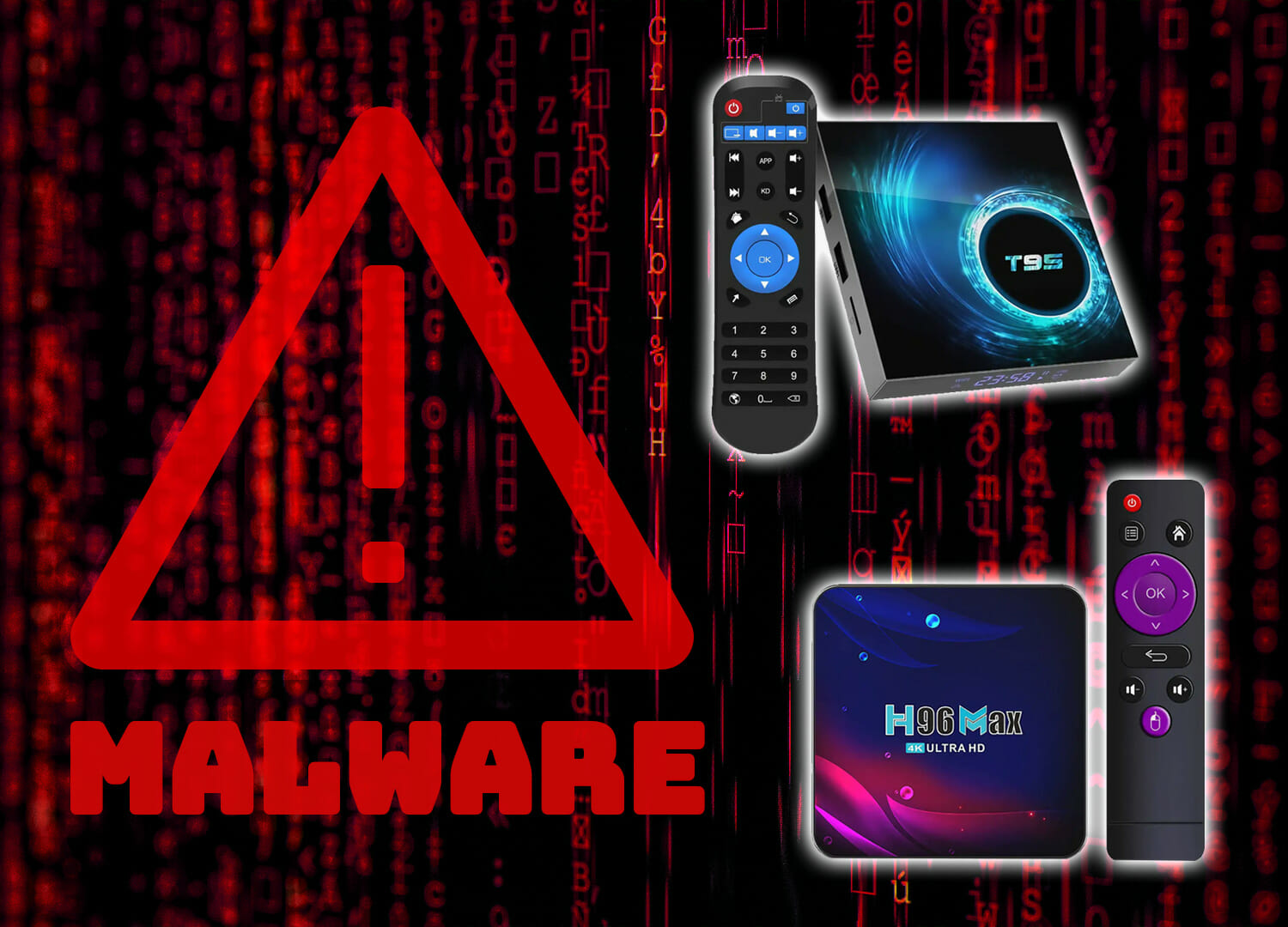
NEW YORK / SAN FRANCISCO — In the subterranean layers of modern consumer technology, where low-cost hardware margins intersect with sprawling cloud-compute architecture, a quiet war has been waged over the living rooms of millions. Google, operating in tandem with global threat intelligence agencies and cybersecurity researchers, has successfully neutralized a sophisticated, deeply embedded malware backdoor that compromised millions of uncertified Android TV and Google TV streaming boxes worldwide.
The operation, kept under tight wraps while engineers traced complex infrastructure scalability metrics of the rogue botnets, brings to light a dark underbelly of the global consumer electronics supply chain. While premium devices from tier-1 manufacturers remain secure, the proliferation of ultra-cheap, unverified set-top boxes imported through online marketplaces created an unprecedented vector for persistent cyber espionage, proxy-jacking, and distributed denial-of-service (DDoS) attacks.
The Anatomy of a Supply Chain Heist
The compromised devices were not official Google-branded hardware, nor were they manufactured by tier-1 consumer electronics giants subject to rigorous regulatory compliance and secure software development lifecycles. Instead, the infected units were low-cost, white-label Android TV boxes—often bearing obscure brand names—purchased by unsuspecting consumers chasing bargain pricing on global e-commerce platforms.
According to forensic data compiled by leading cybersecurity investigators, the malware was not introduced via a traditional phishing campaign or malicious application download from the official Google Play Store. Rather, it was baked directly into the device firmware at the factory level by rogue sub-contractors or intermediaries. This insidious form of supply chain compromise meant that the backdoor was present out of the box, operating with elevated root privileges that standard user interventions could not easily strip away.
Once plugged into a home network, these devices established encrypted communication tunnels with overseas command-and-control (C2) servers. The backdoor allowed malicious operators to silently install secondary payloads, route residential internet traffic through the compromised boxes for residential proxy networks (often used for ad fraud and credential stuffing), and transform the living room entertainment hubs into dormant nodes of a massive global botnet.
The Catalytic Event and Enterprise Risk Mitigation

The tipping point for Google’s security teams came when anomalous traffic patterns began originating from residential IP blocks, triggering automated risk mitigation alerts across cloud compute infrastructure and enterprise network perimeters. Security analysts realized that the scale of the infection posed not just a consumer privacy hazard, but a systemic threat to network integrity.
Corporate risk officers and institutional investors quickly recognized the implications. As remote work blurs the boundary between corporate intranets and residential networks, compromised IoT and smart TV hardware inside employee homes represents a backdoor directly into enterprise environments. The potential for lateral movement within local area networks (LANs) prompted institutional stakeholders to demand aggressive remediation and enhanced regulatory oversight of imported consumer electronics.
Google’s response was swift and multi-layered. Rather than relying solely on end-user patches—which are notoriously difficult to deploy on fragmented, uncertified hardware ecosystems—engineers worked upstream. By blacklisting compromised digital certificates, invalidating rogue API tokens, and neutralizing the infrastructure endpoints utilized by the C2 servers, Google effectively severed the nervous system of the botnet.
Verified Data & Metrics Breakdown
To understand the sheer magnitude of the operation and the technical parameters involved, the following comparative breakdown illustrates the structural divergence between certified Google TV ecosystems and the compromised white-label hardware market:
| Metric / Parameter | Certified Android / Google TV Ecosystems | Compromised White-Label / Unverified Boxes |
|---|---|---|
| Firmware Origin | Verified ODMs with Google Play Protect Certification | Unverified factories; third-party modified ROMs |
| Privilege Level | Sandboxed; strict user-space isolation | Compromised root / system-level persistence |
| Estimated Affected Units | Negligible (Isolated to software bugs) | Estimated in the low millions globally |
| Primary Threat Vector | Standard application vulnerabilities (patched rapidly) | Pre-installed firmware backdoors & proxy-jacking |
| Remediation Mechanism | Automatic Over-The-Air (OTA) security updates | Server-side certificate revocation & C2 blocking |
Industry & Market Implications
The fallout from this incident extends far beyond consumer cybersecurity; it touches directly upon capital allocation, valuation multiples for hardware manufacturers, and regulatory compliance frameworks across international trade corridors.
Who Wins: Major consumer electronics brands—including Google, Sony, TCL, and Xiaomi—that invest heavily in secure cloud compute architecture, cryptographic verification, and official Play Protect compliance stand to benefit. Consumers and enterprise procurement departments are increasingly recognizing that low upfront hardware costs carry catastrophic hidden liabilities. Certified ecosystems provide a defensible moat against supply chain infiltration.
Who Loses: Unverified white-label manufacturers operating in loosely regulated jurisdictions face immediate economic pressure. Online retail marketplaces hosting these third-party vendors are encountering heightened scrutiny from consumer protection agencies and lawmakers. Furthermore, botnet operators have sustained a major disruption to their infrastructure scalability, forcing them to re-evaluate the profitability and persistence of IoT-based attack vectors.
From an economic perspective, the incident highlights a broader institutional shift. As cyber insurance underwriters tighten policy exclusions for unverified IoT hardware in residential and commercial settings, the total cost of ownership (TCO) for cheap, uncertified tech is undergoing a rapid valuation re-assessment.
Frequently Asked Questions (People Also Ask)
How can I check if my Android TV or Google TV box is infected with this backdoor?
Certified devices purchased from major retailers or official brands running standard Google TV software are safe. If you purchased an obscure, unbranded streaming box directly from overseas e-commerce platforms at a suspiciously low price point, check for unauthorized background data consumption, unknown system apps with root privileges, or unexpected outbound network traffic routing to unfamiliar IP addresses.
Did Google issue a software update, or was this handled remotely?
Because these cheap boxes lack official certification and direct OTA update pipelines from Google, the tech giant intervened primarily at the infrastructure level. Google disabled the malicious command-and-control servers, revoked associated digital certificates, and blocked the backend APIs used by the firmware to communicate with the botnet operators.
What makes uncertified TV boxes such a prime target for cybercriminals?
Uncertified streaming boxes bypass Google’s rigorous security vetting and Play Protect verification processes. Because they are often manufactured by opaque supply chains with little regulatory oversight, malicious code can be injected into the firmware without detection. Once in millions of homes, they offer attackers high-bandwidth residential internet connections ideal for proxy networks and distributed attacks.
Are official Google TV devices like the Chromecast or Streamer affected?
No. Official hardware manufactured or explicitly certified by Google operates within a heavily sandboxed, secure boot environment backed by continuous automated security monitoring and prompt, verified firmware updates.
Future Outlook & Key Milestones to Watch
As the digital landscape braces for the next wave of connected device adoption, this incident serves as a watershed moment for hardware security. Moving forward, industry analysts and regulatory bodies are expected to push for stricter import controls, mandatory software bill of materials (SBOM) disclosures for consumer electronics, and increased accountability for online marketplaces distributing unvetted tech.
Key milestones to monitor over the next 12 to 18 months include:
- Regulatory Interventions: Potential enforcement actions by trade commissions targeting platforms that permit the sale of pre-infected, uncertified hardware.
- Enterprise Policy Shifts: Stricter corporate VPN and Zero Trust Network Access (ZTNA) protocols that automatically quarantine residential networks exhibiting anomalous IoT traffic signatures.
- Supply Chain Auditing: Increased adoption of cryptographic hardware roots of trust by mid-tier electronics manufacturers seeking to reassure institutional buyers and maintain market liquidity.
For now, Google’s decisive intervention has neutralized an immediate and pervasive threat to the global smart TV ecosystem. Yet, the broader economic and security challenge—policing a sprawling, borderless hardware supply chain—remains one of the defining trials of the modern digital age.