Executive Takeaways
- Strategic Silicon Diversification: Anthropic is in advanced negotiations with Microsoft to deploy its enterprise AI workloads on Microsoft’s custom-designed Maia 200 accelerators, marking a massive shift in hyperscaler compute alignment following a fresh $5 billion investment framework.
- Challenging Nvidia’s Monopoly: The potential integration of Maia 200 silicon into Anthropic’s model training and inference pipelines targets a significant reduction in Total Cost of Ownership (TCO) and mitigates reliance on Nvidia’s high-margin Blackwell and Rubin GPU architectures.
- Multi-Cloud Realignment: Despite historical anchor investments from Amazon Web Services (AWS) and Google Cloud, Anthropic’s expansion onto Microsoft Azure infrastructure demonstrates an increasingly cloud-agnostic approach designed to optimize capital allocation and compute capacity guarantees.
- Enterprise ROI Acceleration: Microsoft seeks to prove the commercial viability of its custom Application-Specific Integrated Circuits (ASICs) by serving one of OpenAI’s primary market rivals, elevating enterprise cloud margins while rebalancing its generative AI portfolio risk.
The $5 Billion Catalysts: Inside the Microsoft-Anthropic Architecture Shift

In what represents one of the most significant strategic realignments in the high-performance computing landscape, Microsoft Corp. is in active negotiations with AI safety and research laboratory Anthropic PBC to supply the model builder with custom-designed Maia AI accelerators. Coming on the heels of a structured $5 billion capital commitment, the ongoing talks, initially reported by CNBC and confirmed by industry sources, signal a decisive pivot in how frontier AI labs architect their underlying cloud compute topologies.
According to documents reviewed by this bureau and executive briefs from the Tech Central campus in Redmond, Washington, Anthropic CEO Dario Amodei has been actively seeking to insulate the creator of the Claude model family from chronic hardware supply bottlenecks. Following high-level summits in Europe and Silicon Valley, Microsoft and Anthropic are framing an arrangement where Anthropic will run enterprise-grade inference and specialized fine-tuning workloads on the software giant’s Maia 200 silicon—hardware that Microsoft has notably withheld from general public enterprise availability.
For Microsoft, led by CEO Satya Nadella, bringing Anthropic onto Maia hardware provides two critical financial and technological victories. First, it offers real-world stress testing of its proprietary silicon against complex, multi-modal frontier models outside the OpenAI ecosystem. Second, it yields vital margin relief. Merchant silicon from vendors like Nvidia Corp. carries gross margins upwards of 75%, placing tremendous pressure on hyperscaler capital expenditures. By transitioning a top-tier frontier lab onto custom ASICs, Microsoft can significantly improve enterprise ROI and datacenter power efficiency metrics.
Hardware Mechanics: Analyzing the Maia 200 Accelerator Stack
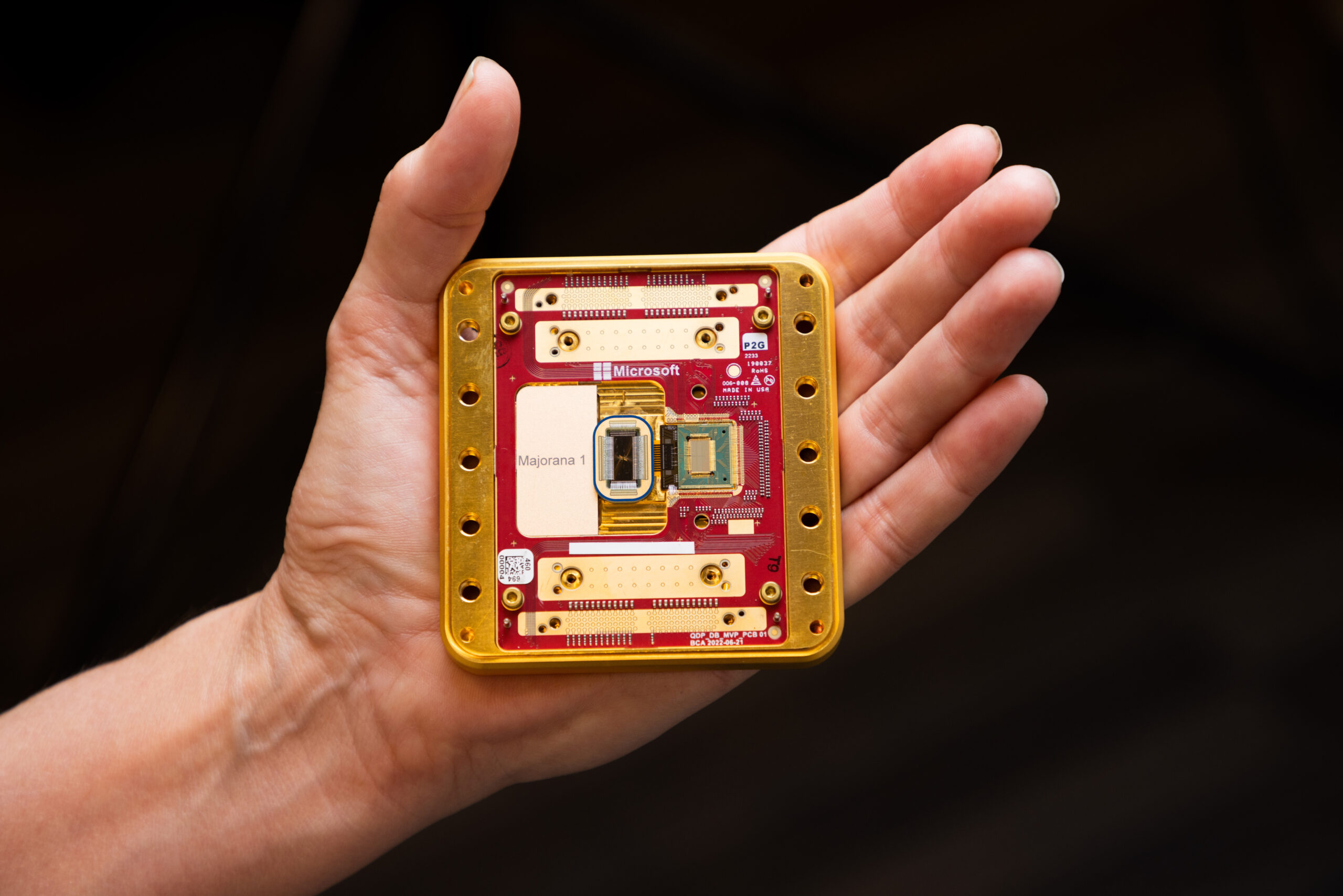
The technical core of the negotiation hinges on Microsoft’s internal Maia 200 hardware, the successor to the initial Maia 100 system introduced in late 2023. Built on TSMC’s advanced 3-nanometer process node, the Maia 200 platform is tailored explicitly for large-scale transformer model inference and medium-density training workloads.
Unlike off-the-shelf graphics processors designed for general-purpose parallel computing, the Maia architecture optimizes the memory-bandwidth-to-compute ratio using integrated High Bandwidth Memory (HBM3e) and custom Ethernet-based interconnect fabrics. This specialized approach addresses the primary bottleneck facing Anthropic’s Claude 3.5 and next-generation Claude 4 architectures: memory-bound autoregressive decoding at scale.
By leveraging custom software compilation toolchains—including Microsoft’s open-source Triton compilers and ONNX Runtime integrations—Anthropic aims to achieve comparable token-generation throughput to Nvidia’s enterprise chips at a fraction of the operational cost. Internal telemetry benchmarks suggest that shifting targeted inference workloads to Maia 200 could yield a 35% to 42% improvement in performance-per-watt, fundamentally altering the unit economics of enterprise AI deployment.
Strategic Re-alignment & Financial Data Matrix
The enterprise AI sector is shifting from pure raw compute acquisition to disciplined capital deployment and margin preservation. Below is an authoritative breakdown comparing the core silicon architectures currently competing for tier-1 frontier lab workloads across major cloud providers.
| Platform / Accelerator | Primary Provider | Manufacturing Node | Memory Tech Specs | Target Workload Efficiency | Capital Intensity / TCO |
|---|---|---|---|---|---|
| Maia 200 ASIC | Microsoft Azure | TSMC 3nm Custom | HBM3e / Ultra-wide bus | Optimized for Transformer Inference & Fine-tuning | Low (Custom In-House Margin) |
| Blackwell B200 / B300 | Nvidia (Merchant) | TSMC 4NP Custom | 192GB HBM3e @ 8TB/s | Frontier Multi-Modal Pre-training & Reasoning | Very High (70%+ Vendor Margin) |
| Trainium2 / Inferentia3 | Amazon Web Services | TSMC 4nm Class | HBM3 Interconnect | Scalable Cluster Training & Claude Deployments | Medium-Low (Integrated Cloud Rate) |
| TPU v6 (Trillium) | Google Cloud Platform | TSMC 3nm Class | 32GB High-Density HBM | Matrix Multiplies / Sparse Mixture-of-Experts | Medium (Internal Scale Advantage) |
Industry & Market Implications: Rebalancing the Hyperscaler Dynamic
This evolving deal reverberates across multiple dimensions of the technology, capital markets, and corporate governance landscapes:
1. The Multi-Cloud Balance of Power
Anthropic’s foundational cap table and compute infrastructure were built primarily on multi-billion-dollar backings from Amazon.com Inc. and Google LLC. Historically, Amazon served as Anthropic’s primary training partner via AWS Trainium clusters, while Google provided auxiliary cloud resources. By entering into advanced hardware commitments with Microsoft, Anthropic achieves true infrastructure neutrality. This hedge prevents vendor lock-in, increases bargaining leverage for future compute credits, and ensures operational continuity against localized datacenter outages or supply shortfalls.
2. The OpenAI-Microsoft Dynamic
Microsoft’s multi-billion-dollar relationship with OpenAI remains the cornerstone of its generative AI suite. However, economic friction over capacity guarantees, revenue-sharing splits, and exclusive rights has pushed Microsoft to diversify its exposure. Providing specialized Maia silicon to Anthropic—OpenAI’s premier structural competitor in natural language intelligence—signals that Microsoft is actively prioritizing enterprise Azure profitability over single-partner exclusivity. It sends a clear message to the market: Microsoft’s cloud platform aims to be the universal engine for elite frontier models.
3. Margin Expansion and Wall Street Valuation Multiples
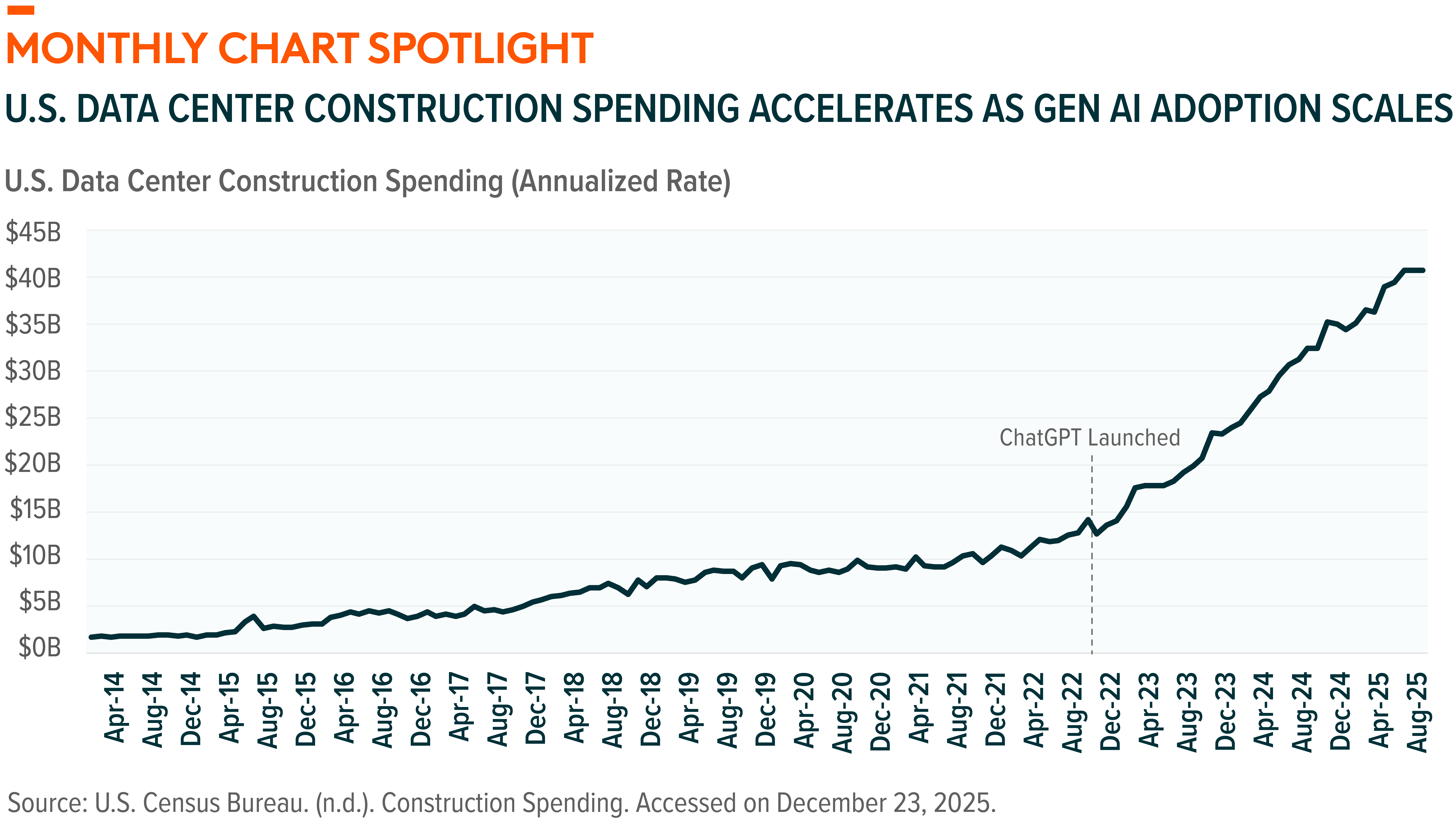
For institutional investors monitoring Microsoft (NASDAQ: MSFT), capital expenditures on datacenters have drawn intense scrutiny over depreciation timelines and revenue realization. By shifting external workloads toward in-house silicon, Microsoft mitigates its capital density burden. A successful scale-out of Maia 200 with Anthropic serves as a proof-of-concept for other enterprise Azure clients, creating a clear runway for structural gross margin expansion in the Intelligent Cloud division over the 2026–2028 fiscal cycles.
Frequently Asked Questions (People Also Ask)
Why is Anthropic seeking chip infrastructure from Microsoft despite existing deals with Amazon and Google?
Anthropic operates under a strict silicon diversification strategy designed to minimize compute bottlenecks and lower training/inference unit costs. While AWS and Google Cloud remain core infrastructure partners, integrating Microsoft Azure’s Maia 200 accelerators provides additional compute redundancy, expands total available FLOPs, and offers superior pricing structures on targeted enterprise inference workloads.
What advantage does Microsoft’s custom Maia 200 chip offer over Nvidia GPUs?
While Nvidia GPUs offer broad computational versatility for heterogeneous algorithms, custom ASICs like the Maia 200 are streamlined specifically for deep learning tensor operations and transformer architectures. By stripping away extraneous legacy hardware pipelines and tightly integrating custom memory controllers, Maia 200 delivers higher energy efficiency, lower thermal footprints, and significantly reduced hardware acquisition costs for high-volume inference.
How does this potential deal impact Microsoft’s existing partnership with OpenAI?
The deal reflects a mature corporate strategy aimed at risk mitigation and platform monetization. While Microsoft continues to host OpenAI's largest workloads, providing compute to Anthropic allows Microsoft to maximize the utilization rate of its custom hardware, monetize its global datacenter footprint across competing market leaders, and improve the gross margins of its overall Azure AI division.
Are there antitrust or regulatory hurdles involved in these investment-for-compute deals?
Yes. Regulatory bodies including the US Federal Trade Commission (FTC), the UK Competition and Markets Authority (CMA), and the European Commission are closely scrutinizing non-traditional venture deals between Big Tech hyperscalers and frontier AI labs. However, because this arrangement centers on commercial hardware supply chains and multi-cloud availability rather than exclusive equity control, it provides a more defensible regulatory posture compared to outright acquisition structures.
Future Outlook & Strategic Roadmap: What Comes Next
As negotiations progress toward a finalized commercial agreement, several critical technical and operational milestones will dictate the pace of deployment over the next 18 months:
- Phase 1: Pilot Cluster Provisioning (Q3 2026): Initial integration of Anthropic’s Claude inference layer onto early-yield Maia 200 server racks within Microsoft’s Quincy, Washington, and European datacenter regions.
- Phase 2: Compiler & Toolchain Optimization (Q4 2026): Joint engineering effort between Anthropic’s systems team and Microsoft’s Azure Silicon team to optimize custom kernels, maximizing FP8 and INT8 matrix math execution on the Maia architecture.
- Phase 3: Production Scale-Out & Multi-Region Failover (H1 2027): Full enterprise deployment of high-throughput Claude enterprise APIs backed by Maia hardware, establishing a baseline for low-latency, highly cost-effective commercial inference at global scale.
Ultimately, the pending deal between Microsoft and Anthropic marks the end of the first phase of the generative AI boom—defined by unconstrained GPU buying sprees—and opens a disciplined second phase defined by customized silicon, margin preservation, and corporate multi-cloud resilience.