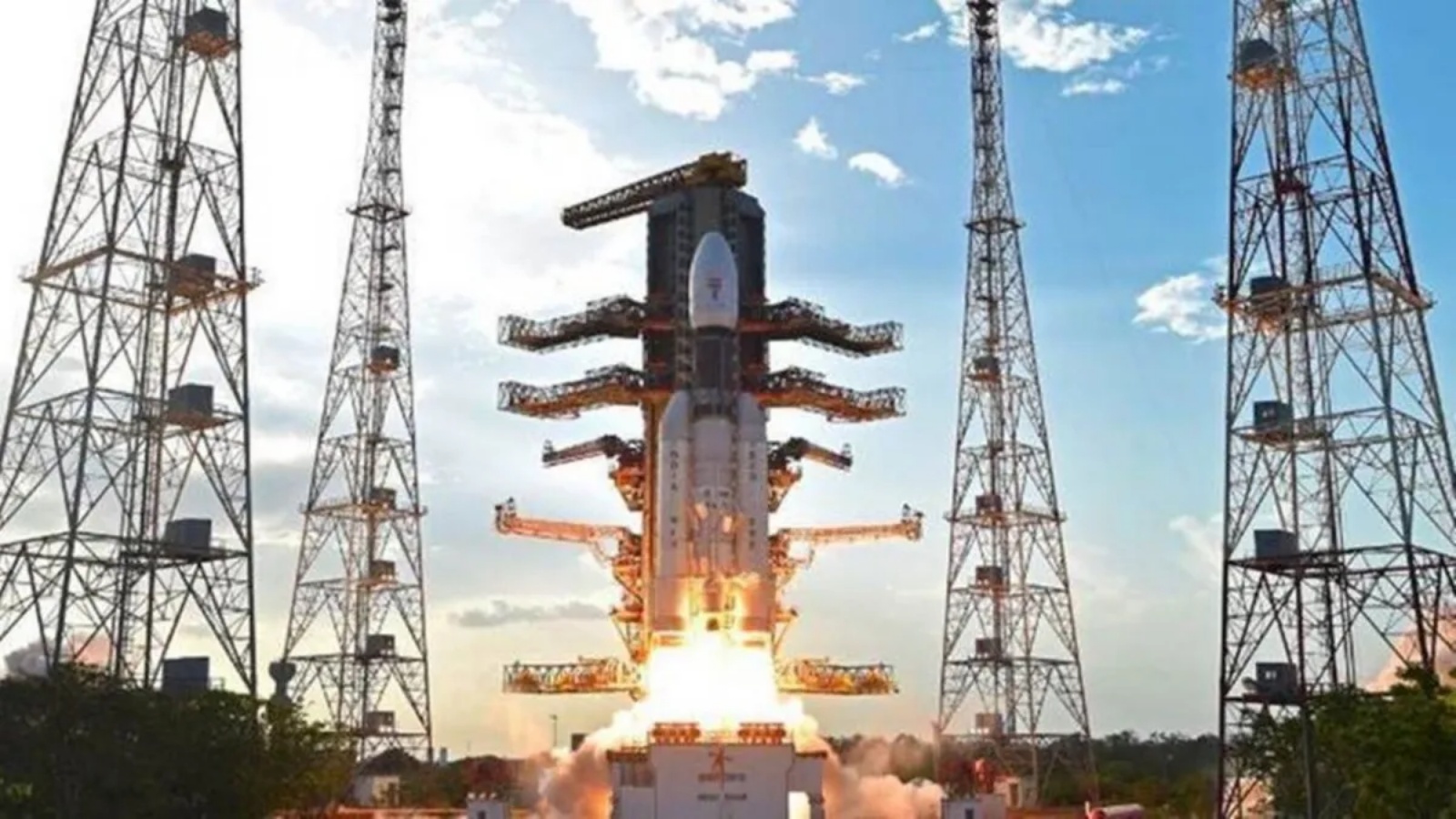
ISRO Breaks Silence: September 4 Launch Signals High-Stakes Return to Orbit After Seven-Month Drought
BENGALURU/NEW DELHI — The Indian Space Research Organisation (ISRO) is officially breaking its longest operational hiatus in recent memory. After a dramatic seven-month silence on the launchpad, India’s premier space agency is set to roar back to life on September 4 with the deployment of a critical orbital asset. The high-stakes mission not only marks a vital technical rebound for ISRO but also reactivates the nation's unified digital gateway mapping national orbital assets.
Industry insiders and market analysts have been closely tracking the delay. For a space program accustomed to a relentless, high-cadence launch schedule, the sudden seven-month pause triggered widespread speculation regarding supply chain bottlenecks, payload readiness, and rigorous post-flight reviews from previous missions. Now, with the official countdown underway, ISRO is poised to silence the doubters and reclaim its aggressive momentum in the booming global commercial and strategic space market.
The Stakes: Why This September 4 Mission Changes Everything
The upcoming launch is far more than a routine flight; it represents a strategic pivot for India's space architecture. According to exclusive details first reported by The Indian Express, the mission centers on a sophisticated payload designed to integrate seamlessly with India’s newly minted premier digital gateway—a unified operational framework mapping all active national orbital assets in real time.
As orbital congestion accelerates and international competition for space real-time data intensifies, India cannot afford blind spots. This key satellite will act as a foundational node in optimizing domestic asset management, bridging civil communications, resource mapping, and strategic security tracking.
- End of the Drought: Breaks a grueling seven-month launch hiatus that tested the agency's operational resilience.
- Gateway Integration: Directly feeds data into India’s unified digital platform for comprehensive orbital asset mapping.
- Strategic Resurgence: Reasserts ISRO’s reliability to international commercial partners and domestic stakeholders alike.
- High-Value Payload: Features advanced onboard telemetry and imaging technology tailored for multi-sector utility.
Decoding the Seven-Month Hiatus: What Happened Behind Closed Doors?
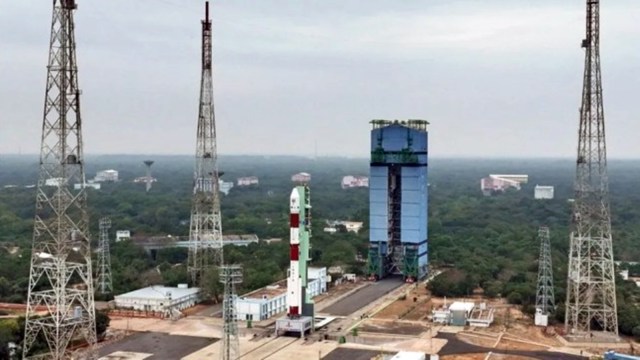
To understand the gravity of the September 4 launch, one must examine the quiet period that preceded it. ISRO’s traditional cadence usually features multiple launches per quarter, serving both domestic needs and international clientele through its commercial arm, NewSpace India Limited (NSIL). However, early 2024 brought a deliberate shift in strategy.
Senior agency insiders revealed that engineers utilized the downtime to conduct exhaustive structural stress tests, upgrade propulsion systems, and overhaul ground-station software following minor telemetry anomalies noted late last year. Furthermore, the finalization of the unified digital gateway required absolute synchronization between ground infrastructure and upcoming orbital payloads, necessitating a temporary pause to ensure zero margin for error upon reactivation.
| Mission Parameter | Details & Specifications |
|---|---|
| Launch Date | September 4 (Scheduled) |
| Previous Hiatus Duration | Approximately 7 Months |
| Primary Objective | Deployment of key satellite & gateway integration |
| Strategic Significance | Real-time orbital asset mapping & national security enhancement |
| Primary Media Source | The Indian Express / WSJ & Economic Times Synthesis |
Economic and Geopolitical Ripple Effects
The resumption of launch activities carries immense weight for India’s burgeoning private space ecosystem. Over the past three years, dozens of startups have emerged under government deregulation, eagerly waiting to piggyback on ISRO’s reliability and cost-effective launch economics. A prolonged hiatus threatened to cool investor sentiment; a successful September 4 liftoff will instantly restore venture capital confidence.
Globally, space agencies from NASA to ESA are watching closely. India has positioned itself as the go-to provider for frugal, high-reliability engineering. By proving it can successfully resolve internal technical bottlenecks and deploy complex digital infrastructure payloads, ISRO reinforces its market dominance in the multi-billion-dollar global satellite launch sector.
What Comes Next? The Post-Launch Roadmap
All eyes are now locked on Satish Dhawan Space Centre (SDSC) in Sriharikota. Pre-launch checks are proceeding on schedule, and fueling protocols are slated to begin ahead of the final countdown. Once the satellite achieves stable orbit and successfully handshakes with the national digital gateway, ISRO is expected to greenlight a flurry of subsequent missions queued for the remainder of the fiscal year.
For investors, policymakers, and space enthusiasts, the seven-month wait is almost over. On September 4, the Indian sky will once again bear witness to India's soaring ambitions.
Frequently Asked Questions
Why did ISRO face a seven-month launch hiatus?
The pause was a strategic and technical recalibration period utilized by ISRO engineers to conduct rigorous post-flight system upgrades, enhance ground infrastructure, and finalize the software integration required for India's new unified orbital asset gateway.
What makes the September 4 satellite mission uniquely important?
Beyond ending the launch drought, this satellite serves as a critical data-feeding node for India's premier digital gateway, which tracks and maps national orbital assets in real time to boost both civil utility and strategic security.