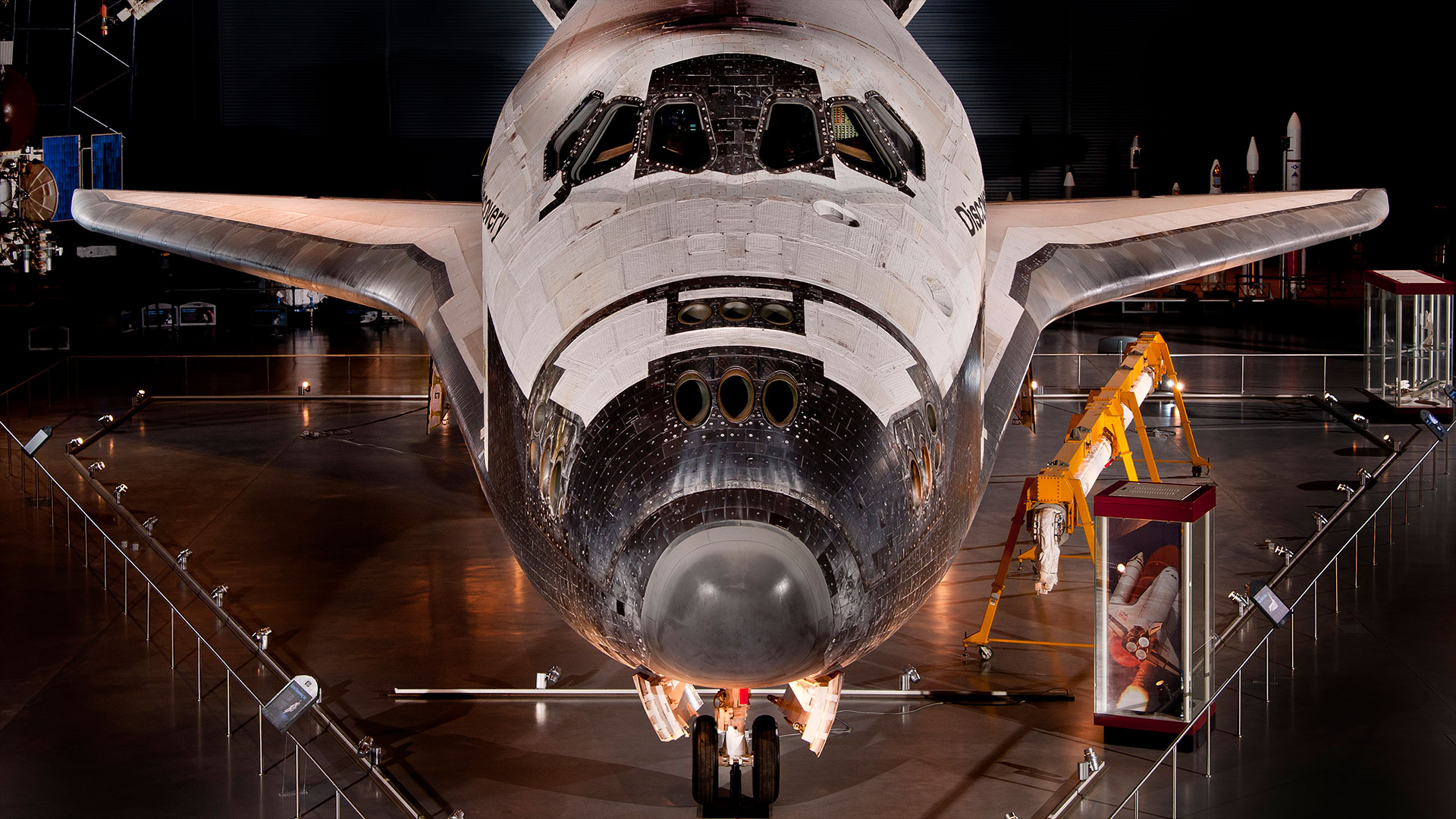
Houston’s Space Shuttle Hopes Dashed? Inside the Bitter Bureaucratic Battle Over NASA's Prized 'Discovery' Orbiter
WASHINGTON — January 22, 2026 — In what is rapidly shaping up to be one of the most contentious cultural and legislative showdowns in recent aerospace history, Houston’s decade-long quest to secure the crown jewel of the retired Space Shuttle fleet has run into a formidable roadblock.
According to leaked internal memos and official statements obtained from senior agency officials, the NASA Chief has quietly tabled a high-stakes proposal that would have seen the Space Shuttle Discovery relocated, even temporarily, to Space Center Houston. The decision has reignited a fierce political and economic feud between Texas lawmakers, federal preservationists, and NASA headquarters, proving that the ghosts of the 2011 shuttle allocation battles are very much alive.
The Battle of Space City: Why Houston is Fighting Back
For Houston — a city whose very identity is synonymous with the words "Houston, we have a problem" — the lack of an authentic, space-flown orbiter has been a point of deep civic frustration. When the space shuttle program was shuttered in 2011, the retired orbiters were distributed to Washington, D.C., Florida, California, and New York. Houston was famously left with Independence, a high-fidelity replica mounted on a carrier aircraft.
In late 2025, a powerful coalition of Texas congressional representatives and private donors launched a renewed, well-funded campaign to negotiate a long-term loan or permanent transfer of Discovery from its current home at the Smithsonian National Air and Space Museum’s Steven F. Udvar-Hazy Center in Virginia. The economic incentives behind the push are massive:
- Tourism Revenue: Local tourism boards estimate a genuine flown orbiter would boost Space Center Houston’s annual visitor count by 35%, translating to an estimated $120 million in regional economic impact.
- STEM Funding: The presence of Discovery was slated to anchor a new $250 million aerospace educational wing funded by private tech-sector giants.
- Civic Pride: Reclaiming a central piece of the Apollo and Shuttle legacy that many Texans believe was wrongfully denied to them during the original 2011 bidding process.
Inside the NASA Chief's No-Go Decision
Despite the intense lobbying, the NASA Chief's newly unveiled strategic blueprint for the agency's historical assets places a firm embargo on moving the orbiters. According to agency insiders, the rationale is grounded in cold, hard engineering facts and fiscal discipline rather than political posturing.
At the heart of the NASA Chief's refusal are three critical factors:
1. Structural Vulnerability and "Tile Degradation"
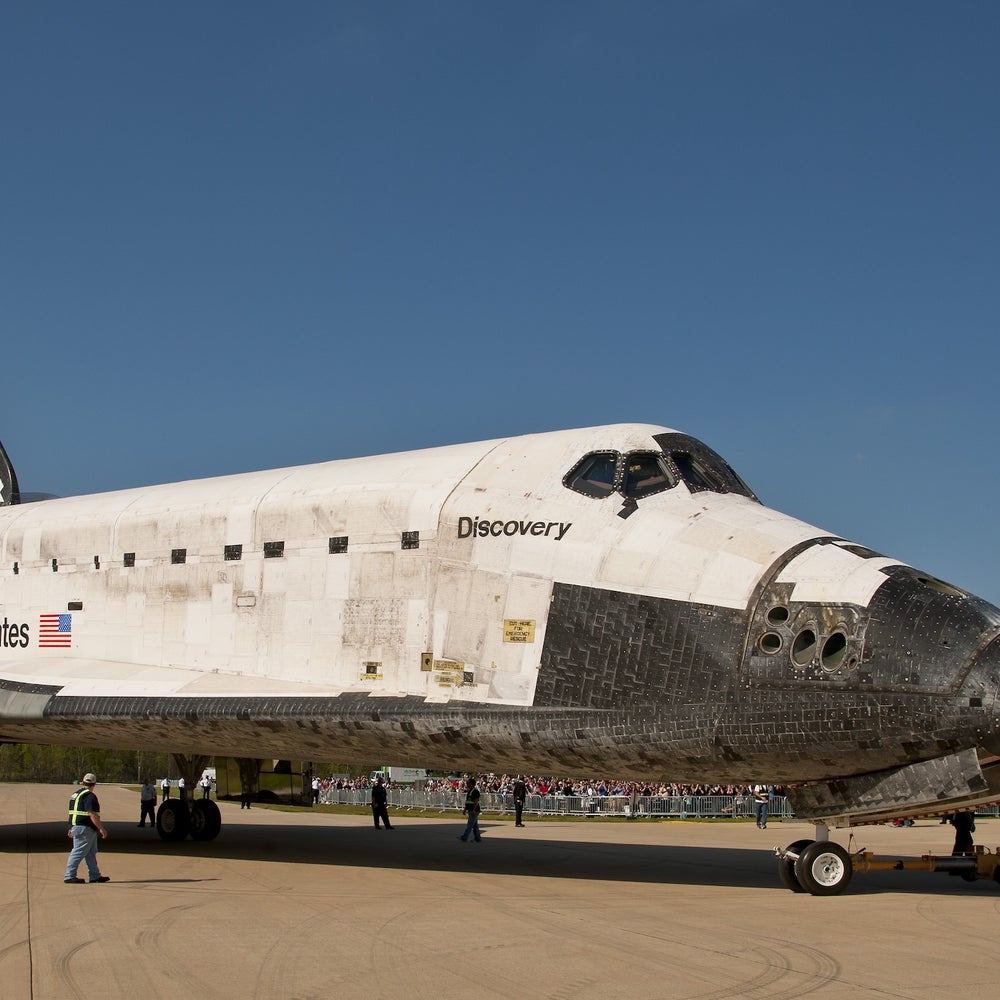
The space shuttle orbiters are remarkably fragile machines when not in the vacuum of space. Discovery, which flew 39 historic missions, is covered in thousands of delicate, highly specialized thermal protection tiles. NASA engineering assessments warn that disassembling, mounting, transporting via the Shuttle Carrier Aircraft (SCA), and reassembling the vehicle poses an "unacceptable risk of irreversible structural degradation."
2. The Astronomical Cost of Transport
While Texas donors offered to underwrite a portion of the move, NASA's internal estimates project the total logistical cost of transferring Discovery to exceed $45 million in 2026 dollars. With NASA’s budget under intense scrutiny on Capitol Hill due to delays in the Artemis lunar program, spending administrative bandwidth and federal oversight hours on a museum transfer is viewed as an unnecessary distraction.
3. The Smithsonian’s Binding Legal Agreements
The contract under which the Smithsonian acquired Discovery in 2011 contains strict preservation clauses. The federal government holds the title, but the Smithsonian is legally bound to preserve the artifact in a climate-controlled, scientifically stable environment. Moving the vehicle to the humid coastal climate of Houston introduces atmospheric risks that Smithsonian curators are fiercely unwilling to accept.
How the Retired Shuttle Fleet is Distributed
To understand the high stakes of this geographic tug-of-war, one must look at how the priceless historical assets of the Space Shuttle program are currently distributed across the United States:
| Orbiter Vehicle | Current Permanent Home | Flown Missions | Key Historical Distinction |
|---|---|---|---|
| Discovery (OV-103) | Smithsonian Udvar-Hazy Center (VA) | 39 | Deployed the Hubble Space Telescope; oldest surviving flown orbiter. |
| Atlantis (OV-104) | Kennedy Space Center (FL) | 33 | Flew the final mission of the Shuttle Program (STS-135) in 2011. |
| Endeavour (OV-105) | California Science Center (LA) | 25 | Built to replace Challenger; currently being displayed in launch configuration. |
| Enterprise (OV-101) | Intrepid Museum (NYC) | 0 (Test Vehicle) | The pathfinder vehicle used for critical atmospheric approach and landing tests. |
Political Fallout: Texas Lawmakers Vow to Fight
The NASA Chief's decision has not gone down quietly in Austin or Washington. Prominent Texas senators have already hinted at using upcoming NASA appropriations hearings to pressure the agency into reconsidering its stance.
"Houston is the heart of human spaceflight," said one senior Texas legislative aide close to the negotiations. "To say that the city that guided these shuttles safely back to Earth for decades cannot safely house one of them is a bureaucratic excuse, not a scientific reality. We will explore every legislative avenue to bring Discovery home."
Conversely, Virginia and East Coast representatives have rallied behind the NASA Chief, arguing that Discovery belongs to the entire nation, not just one state, and that its current location near the nation's capital remains the most accessible venue for international visitors.
The Outlook: Is the Door Permanently Shut?
While the NASA Chief's current plans seemingly lock Discovery in place for the foreseeable future, industry analysts suggest a compromise could still be brokered. Rumors of a "digital sharing" initiative — utilizing ultra-high-definition, interactive 3D holograms and authentic artifact exchanges (such as flown engines or flight deck simulators) — are being floated as a peace offering to Houston.
For now, however, those hoping to see the majestic silhouette of a real, battle-tested space shuttle under the Texas sky will have to wait. The NASA Chief has made it clear: in the modern era of space exploration, the agency's eyes — and its assets — must remain focused on the future of Artemis, not the relocation of the past.
Frequently Asked Questions
Why can't Houston just build a specialized climate-controlled facility to house Discovery?
While Space Center Houston has the financial backing to construct a state-of-the-art facility, the primary barrier is the physical transit. Transporting a 122-foot-long, 78-foot-wide spacecraft through public airspace and major metropolitan streets poses extreme logistical and physical risks to the delicate, irreplaceable thermal protection system of the vehicle.
What does Houston currently display instead of a space-flown shuttle?
Houston currently displays the Independence, an incredibly detailed, full-scale replica of the space shuttle. It is mounted on top of the historic, authentic NASA 905 Shuttle Carrier Aircraft (SCA), allowing visitors to walk through both the transport plane and the replica orbiter. While highly educational, it lacks the historical weight of a flown vehicle.