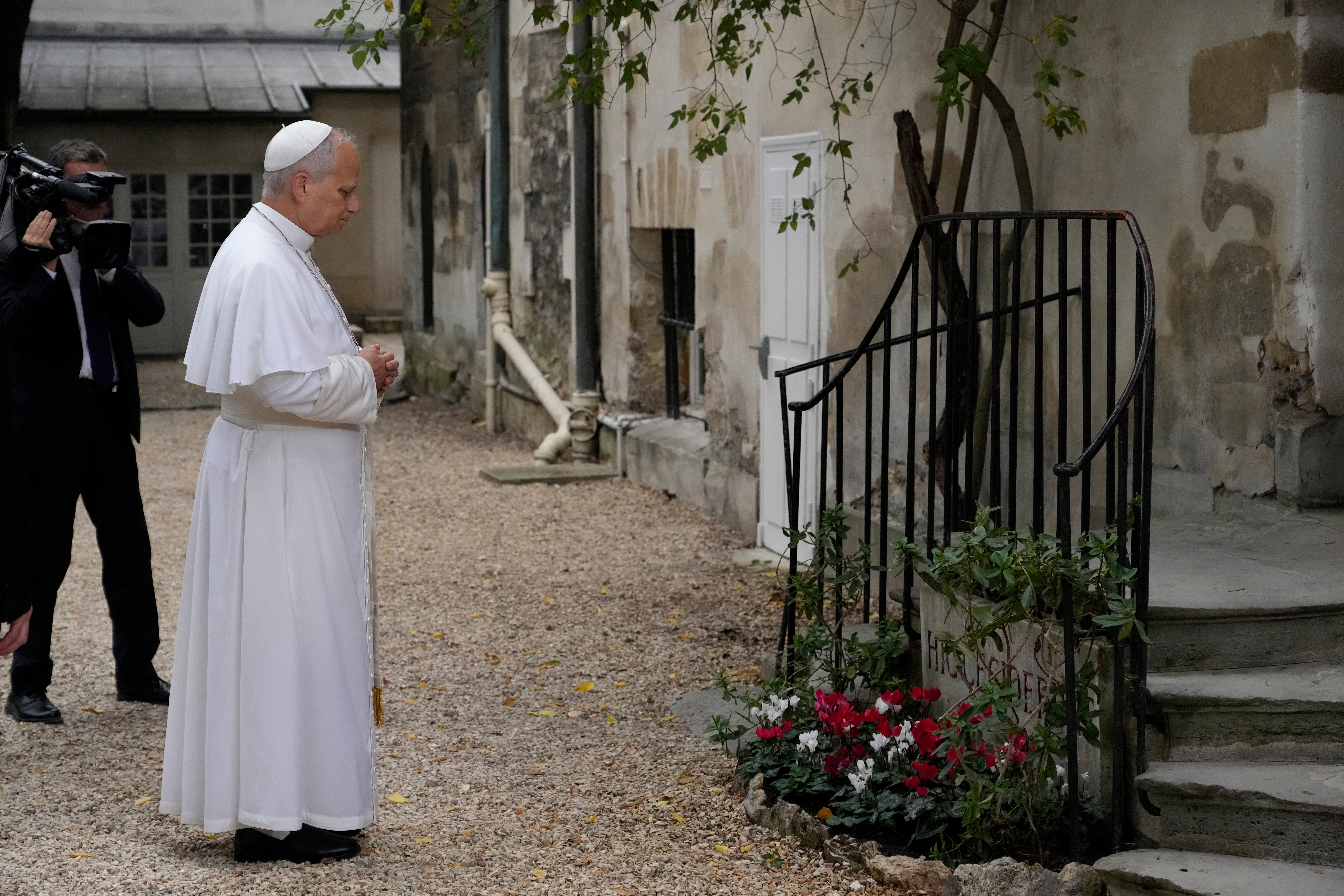
Paris Brought to a Standstill: Hundreds of Thousands Flood Champs-Élysées for Historic Papal Motorcade Ahead of Landmark Mass
PARIS — In a breathtaking display of public devotion and geopolitical pageantry, hundreds of thousands of spectators lined the iconic Avenue des Champs-Élysées today as Pope Leo traversed the French capital in an open-top Popemobile, kicking off an extraordinary state and pastoral visit culminating in a colossal stadium Mass.
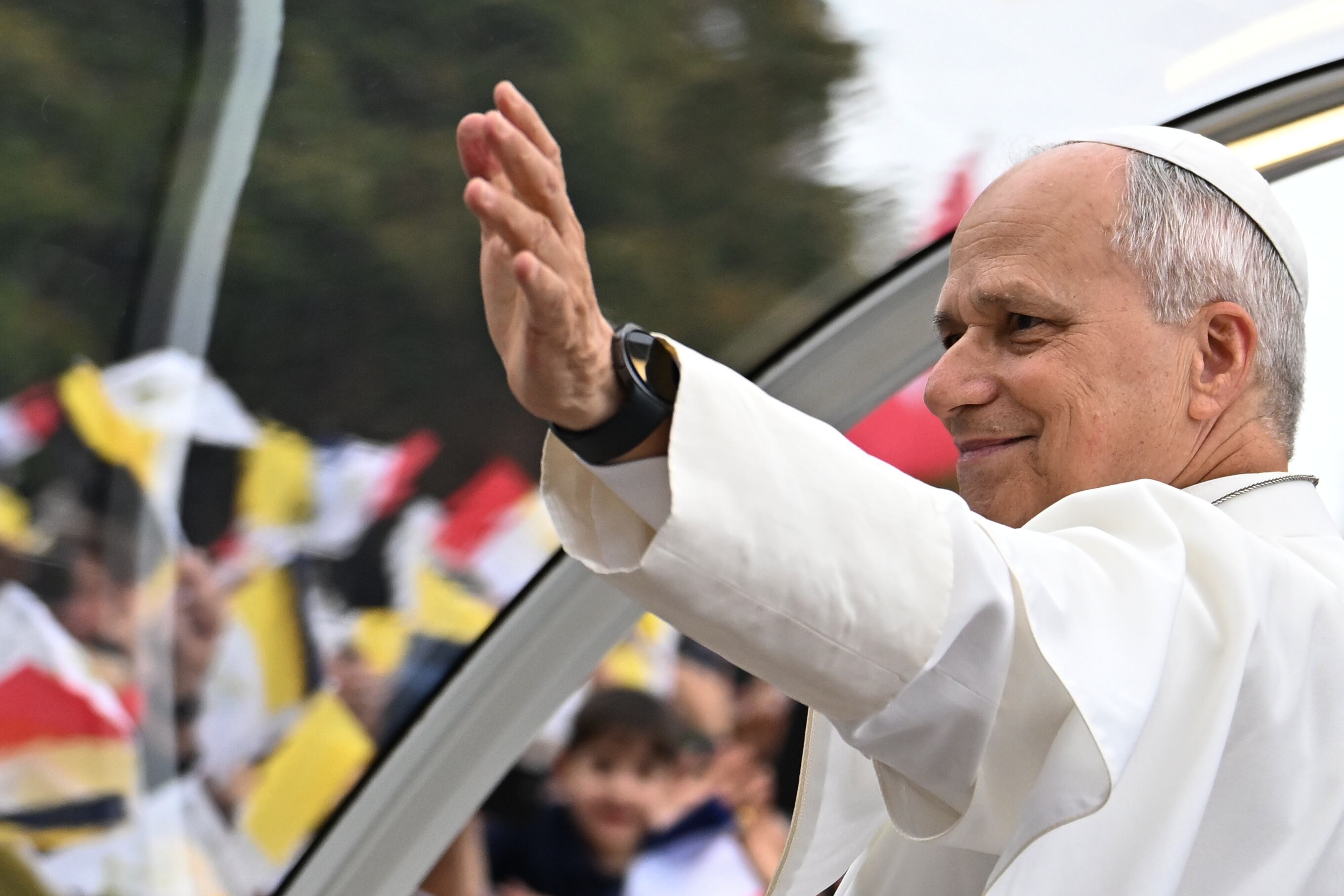
Under tight autumn skies and unprecedented multi-tier security, the pontiff’s motorcade made its deliberate descent from the Arc de Triomphe down toward the Place de la Concorde. Crowds standing twenty-deep waved a vibrant tapestry of yellow-and-white Holy See flags intertwined with the French Tricolour. The event marks one of the single largest public assemblies in central Paris since the country hosted the Olympic Games, creating an electrifying blend of religious revival, high-stakes diplomacy, and sweeping economic disruption across the French capital.
Executive Summary: The Papal Showcase at a Glance
- Unprecedented Scale: Preliminary Interior Ministry estimates place the Champs-Élysées turnout at over 450,000 people, exceeding the most optimistic Vatican forecasts.
- Historic Symbolism: The route directly mirrors the grand state pathways typically reserved for liberating armies and national victories, underscoring Paris's recognition of the Pope’s global moral standing.
- Security Lockdown: More than 12,000 national police, gendarmerie units, and elite anti-terror squads were deployed alongside drone-jamming umbrellas to secure the 1.9-kilometer corridor.
- Upcoming Liturgy: The processional motorcade serves as the ceremonial prologue to a high-capacity holy Mass scheduled at the Stade de France, anticipated to draw 80,000 ticketed faithful and millions of television viewers worldwide.
An Unrivaled Spectacle on the World’s Grandest Boulevard
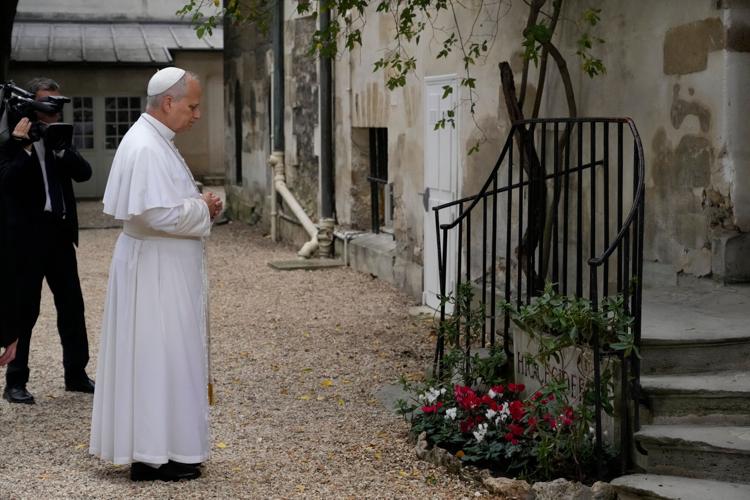
The Popemobile, traveling at a measured walking pace, paused repeatedly as Pope Leo blessed newborn infants lifted up by Swiss Guards and security details. The pontiff, visibly energized by the sheer magnitude of the reception, smiled and repeatedly gestured toward the roaring crowds chanting “Vive le Pape!” along the tree-lined boulevard.
Luxury storefronts, embassies, and financial institutions along the luxury retail corridor halted normal business, with executives and tourists hanging out of Belle Époque balconies to catch a glimpse of the motorcade. "We have witnessed royal visits, foreign presidents, and championship celebrations, but the energy today is distinct—it is a rare intersection of deep spiritual hunger and unified celebration in an otherwise fractured era," observed Antoine de Montferrand, a Paris-based political sociologist.
Balancing Secularism and Faith: The Diplomatic Chessboard
Pope Leo’s motorcade arrives at a delicate moment in French and European politics. France’s strict institutional commitment to laïcité (state secularism) has historically created a complex backdrop for official papal excursions. Yet, the Élysée Palace welcomed the Holy Father with full head-of-state honors, reflecting the broader geopolitical necessity for moral leadership amid ongoing European border wars, migration debates, and continent-wide economic friction.
Ahead of the procession, Pope Leo held private bilateral discussions with the French President at the Élysée, focusing heavily on youth disaffection, ethical frameworks surrounding sovereign artificial intelligence development, and humanitarian peace initiatives in war-torn regions. In a rare joint press appearance, the French administration commended the pontiff’s “unflinching dedication to human dignity beyond partisan or ideological divides.”
Economic Windfall and Urban Disruption
While the parade brought central Paris traffic and transit hubs to a virtual standstill—prompting the shutdown of six Metro lines intersecting the 8th arrondissement—the commercial windfall for the city’s hospitality and retail sectors has been profound. Hotel occupancy across greater Paris surged to 94% over the weekend, rivaling major international sports peaks.
| Metric / Indicator | Recorded / Estimated Figure | Strategic Significance |
|---|---|---|
| Estimated Boulevard Crowd | 450,000 – 500,000 | Largest gathered crowd in Paris since summer athletic events |
| Security Personnel Deployed | 12,500 active officers | Level 4 maximum homeland security protocol activated |
| Hospitality Occupancy Rate | 94.2% across Central Paris | Surge driven by international pilgrim arrivals from 42 countries |
| Upcoming Mass Attendance | 80,000 (Stade de France capacity) | Sold-out liturgy; largest Catholic gathering in France in decades |
The Climax: Stadium Mass and Global Message
The Champs-Élysées procession acts as the public prelude to the centerpiece of the pontifical visit: an expansive Eucharistic celebration at the Stade de France in Saint-Denis. Logistics teams have worked around the clock transforming the stadium arena into a vaulted liturgical sanctuary, complete with a choir of 1,200 voices drawn from dioceses throughout Western Europe.
Church insiders indicate that Pope Leo’s homily will focus on the renewal of spiritual hope in post-industrial societies, urging Europe not to lose its moral compass in pursuit of fragmented economic progress. As the Popemobile finally reached the Obelisk at Place de la Concorde, concluding the parade, the roaring applause confirmed that Pope Leo's call for unity had captured the imagination of a nation and a watchful global audience.
Frequently Asked Questions (FAQ)
Why did the motorcade take place along the Champs-Élysées rather than a traditional church square?
French state authorities and Vatican protocol officials selected the Champs-Élysées corridor to accommodate the unprecedented logistical scale and massive crowd projections. Standard cathedral courtyards, such as the parvis of Notre-Dame, simply lacked the acreage to safely host the half-million spectators who registered to witness the pontiff's motorcade safely under modern crowd-control regulations.
What security measures were deployed to safeguard the papal procession?
French authorities instituted a specialized anti-drone canopy, closed airspace over the Paris basin, and stationed tactical counter-assault units along rooftops along the entire 1.9-kilometer avenue. Attendees underwent metal detection and document sweeps at designated security locks before entering the boulevard.