Executive Takeaways
- The High-Stakes Pivot: Amazon CEO Andy Jassy projects Prime Video will generate "tens of billions of dollars," shifting the platform from a retention-driving shipping perk to a standalone high-margin media powerhouse.
- The AWS Trillion-Dollar Horizon: Alongside Prime Video's maturation, Jassy reaffirmed aggressive capitalization paths for Amazon Web Services (AWS), positioning the cloud unit on an eventual trajectory toward a $1 trillion valuation milestone.
- Macroeconomic Contradictions: Jassy’s bullish financial projections stand in sharp relief against a backdrop of ongoing tech sector layoffs, digital ad fatigue, and tightening consumer discretionary spending throughout 2024 and 2025.
- Monetization Engine: The aggressive rollout of ad tiers, live sports acquisitions (such as Thursday Night Football), and targeted programmatic inventory are rapidly redefining capital allocation and risk mitigation strategies across the streaming landscape.
SEATTLE — When Andy Jassy took the helm of Amazon.com Inc. in July 2021, succeeding founder Jeff Bezos, institutional investors watched anxiously to see how the cloud-computing veteran would manage the sprawling behemoth's capital allocation. Four years later, Jassy is signaling an aggressive, high-stakes evolution of Amazon’s revenue model that directly challenges legacy Hollywood studios and rival tech titans alike.
In recent executive disclosures and earnings commentary, Jassy dropped a metric that sent shockwaves through media and financial markets: Prime Video, long treated by Wall Street analysts as a glorified shipping-subsidy loss leader bundled with the $139 annual Prime membership, is now on a definitive trajectory to generate tens of billions of dollars in annual revenue. Paired with Jassy’s bold declaration that Amazon Web Services (AWS) is marching steadily toward becoming a $1 trillion business, Amazon is orchestrating a masterclass in enterprise scalability and margin expansion.
Yet, this pivot comes at a delicate geopolitical and macroeconomic juncture. As corporations navigate persistent interest rate pressures, fluctuating market liquidity, and sweeping structural layoffs across the technology and startup ecosystems throughout 2024 and 2025, Amazon’s aggressive monetization of its consumer entertainment arm offers a fascinating case study in corporate reinvention. To understand Jassy’s gambit, one must dissect the financial architecture, infrastructure scalability, and strategic risks underpinning the new era of Prime Video.
The Evolution of Prime Video: From Retention Tool to Profit Center
Test Our Free AI & Tech Utilities Suite
Calculate LLM API token costs, analyze article dwell-time, or simulate tech DCA returns.
For over a decade, the conventional wisdom surrounding Amazon Prime Video was straightforward: it was a brilliant customer acquisition and risk mitigation tool designed to lower churn. By offering award-winning original content—such as The Marvelous Mrs. Maisel and The Lord of the Rings: The Rings of Power—alongside a vast catalog of licensed movies and television shows, Amazon incentivized consumers to lock into the Prime ecosystem, driving higher e-commerce order frequency and grocery penetration.
However, the economics of streaming have undergone a brutal reckoning. Driven by saturated subscriber markets, soaring content production costs, and waning investor patience for unmonetized growth, the entire streaming industry was forced to pivot toward profitability. Netflix proved that ad-supported tiers and password-sharing crackdowns could unlock massive top-line growth. Amazon, with its unmatched logistics data graph and advertising infrastructure, saw an even larger prize.
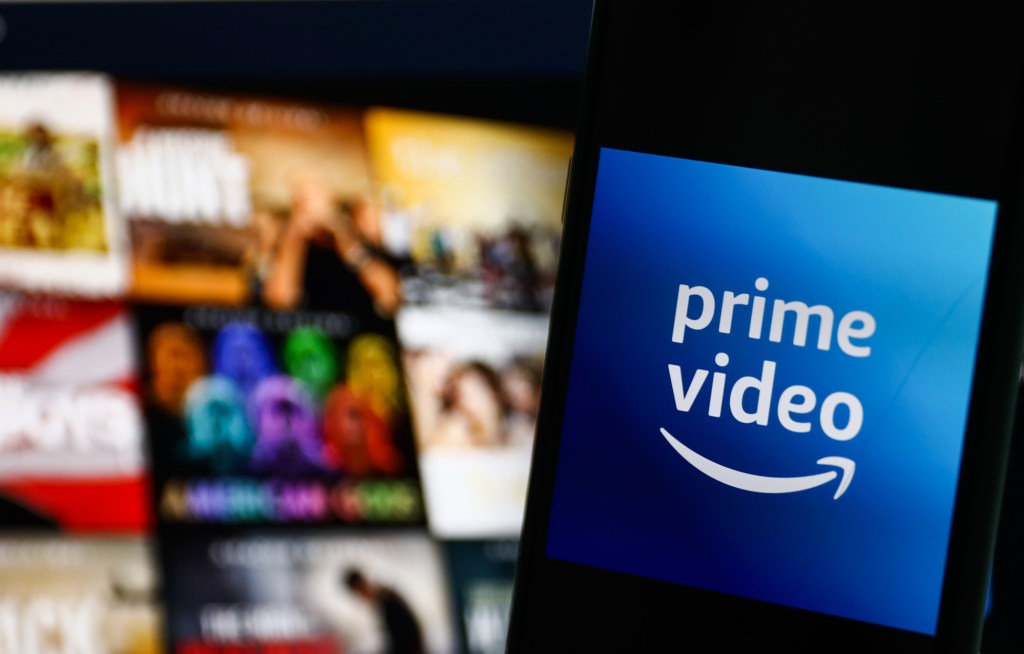
By introducing unskippable advertisements into Prime Video for standard subscribers while charging an additional fee for an ad-free experience, Amazon executed a masterstroke in monetization. Overnight, millions of subscribers were seamlessly converted into high-value ad impressions. Jassy’s projection of "tens of billions of dollars" reflects not just subscription fees, but the aggressive scaling of Amazon’s programmatic advertising network, sponsored product integrations within video interfaces, and massive live-sports rights monetization.
AWS and Prime Video: The Dual Engines of Enterprise Valuation

To fully grasp the gravity of Jassy’s announcements, financial analysts must view Prime Video through the same lens applied to AWS. While AWS remains the undisputed profit engine of Amazon, providing the enterprise compute architecture that powers a vast swathe of the global internet, Prime Video is rapidly evolving into its consumer-facing counterpart: a high-margin recurring revenue machine.
"When you look at the velocity of infrastructure scalability within AWS—fueled by artificial intelligence workloads and enterprise cloud migration—and couple it with the monetization velocity of Prime Video’s ad inventory, you are looking at two distinct towers of immense free cash flow generation," notes a senior technology analyst at a major Wall Street investment bank.
Jassy’s assertion that AWS will ultimately achieve a $1 trillion market valuation underscores Amazon’s long-term enterprise strategy. The convergence of cloud compute infrastructure and targeted programmatic advertising creates a compounding moat that few competitors—save perhaps Microsoft and Alphabet—can rival. As enterprise clients accelerate their digital transformation initiatives and leverage generative AI models hosted on AWS, Amazon is locking in multi-year corporate contracts that guarantee steady capital influx, insulating the firm against broader consumer spending downturns.
Verified Data & Metrics Breakdown
The following table outlines the key financial drivers, strategic investments, and market valuation projections associated with Amazon’s dual-growth pillars under CEO Andy Jassy:
| Business Unit | Strategic Focus | Key Revenue / Growth Driver | Valuation & Financial Outlook |
|---|---|---|---|
| Prime Video | Consumer Entertainment & Ad Monetization | Ad-tier rollout, Live Sports (TNF), Programmatic Video Ads | Projected to earn "tens of billions of dollars" annually |
| AWS (Amazon Web Services) | Cloud Compute & AI Infrastructure | Enterprise cloud migration, Generative AI workloads, Custom silicon | Targeted path toward a $1 trillion business valuation |
| Global Advertising | Cross-Platform Ad Integration | First-party consumer data, Sponsored search, CTV inventory | Fastest-growing major revenue segment at 20%+ YoY |
Industry & Market Implications: Who Wins, Who Loses
Jassy’s aggressive stance on Prime Video and AWS sends immediate shockwaves across multiple competitive sectors:
- Legacy Media & Traditional Networks: Traditional television networks and standalone streaming services face an existential squeeze. With Amazon leveraging its e-commerce cash flows to subsidize massive bidding wars for premium sports rights (such as NFL Thursday Night Football and upcoming NBA packages), legacy studios struggle to compete on capital expenditure.
- Digital Advertising Giants: Alphabet (Google) and Meta Platforms now face an even more formidable competitor in the connected TV (CTV) and programmatic advertising space. Amazon’s unique advantage lies in its closed-loop attribution: advertisers can directly track whether a video ad impression led to an actual physical product purchase on Amazon.com.
- Enterprise Tech & Cloud Competitors: Microsoft Azure and Google Cloud must contend with an increasingly aggressive AWS. As Jassy doubles down on infrastructure scalability and AI integration, enterprise buyers are evaluating cloud vendors based not just on compute pricing, but on proprietary model availability and end-to-end security compliance.
Frequently Asked Questions (People Also Ask)
1. How does Prime Video plan to reach tens of billions in revenue?
Amazon is scaling its revenue through a dual-pronged approach: introducing default advertisements on Prime Video for standard members (with an added cost for ad-free tiers) and aggressively expanding its connected TV (CTV) programmatic advertising network. This is bolstered by high-profile live sports acquisitions that command top-tier corporate sponsorship dollars.
2. What is the timeline for AWS to reach a $1 trillion valuation milestone?
While executive leadership does not provide a strict calendar year for reaching the $1 trillion mark, the trajectory is anchored by sustained double-digit enterprise cloud growth, surging demand for generative AI infrastructure, and high-margin proprietary software and silicon offerings.
3. How do tech sector layoffs impact Amazon’s current capital allocation?
Throughout 2024 and 2025, Amazon—alongside much of the technology sector—has undergone structural cost-cutting and targeted layoffs to optimize operational efficiency. These cost disciplines have freed up capital to reinvest heavily in high-margin growth drivers like AWS infrastructure and Prime Video monetization.
4. Will ad-supported Prime Video increase subscriber churn?
Early industry data indicates that consumer churn resulting from the introduction of ad tiers has been minimal. The vast majority of Prime members have accepted the ad-supported default experience or opted for the premium ad-free tier, proving the exceptional stickiness of the broader Prime ecosystem.
Future Outlook: What Comes Next
As we look toward the remainder of 2025 and beyond, Andy Jassy’s leadership will be judged on execution. The integration of advanced generative AI tools into both AWS enterprise workflows and Prime Video content recommendation engines represents the next frontier of technological differentiation.
For investors, the mandate is clear: Amazon is no longer merely an online retailer experimenting with side projects. It is a diversified technology conglomerate operating two of the most powerful digital cash-generation engines in corporate history. If Prime Video successfully captures "tens of billions of dollars" while AWS marches toward its trillion-dollar valuation, Jassy will have cemented his legacy not just as an able successor, but as the architect of Amazon’s most profitable era yet.