Executive Takeaways
- Supply Chain Friction: Newly surfaced supply chain disclosures reveal that Apple’s rumored smart-home display hardware, internally dubbed "HomeViews," sat dormant in logistics hubs and third-party warehouses for the better part of a year.
- Capital Allocation and Inventory Risk: The prolonged warehousing highlights a strategic misalignment between hardware production schedules and software readiness, testing standard enterprise inventory risk mitigation frameworks.
- Smart Home Strategy Stalled: The delay underscores Apple’s broader structural difficulties in capturing meaningful market share within the fragmented smart-home ecosystem against established competitors like Amazon and Google.
- Valuation and Investor Sentiment: Institutional investors are scrutinizing how hardware execution delays impact near-term hardware revenue diversification and long-term ecosystem monetization metrics.
CUPERTINO & NEW YORK — In the high-stakes theater of consumer electronics, timing is not merely a tactical preference; it is a critical variable that dictates enterprise ROI, supply chain velocity, and valuation multiples. Recent investigative disclosures indicate that Apple Inc.’s long-anticipated smart-home display initiative—colloquially and internally referenced as "HomeViews"—suffered a severe operational bottleneck, with finished or semi-finished units reportedly collecting dust in warehouses for the better part of a year.
This deep-dive investigative report examines the genesis of the HomeViews project, the systemic logistics and software integration hurdles that triggered the inventory standstill, and the broader capital allocation implications for the world’s most valuable technology enterprise. Drawing on supply chain telemetry, industry intelligence, and expert financial analysis, we unpack how a promising ecosystem play morphed into a masterclass in hardware-software desynchronization.
The Anatomy of a Supply Chain Stagnation
For a corporation renowned for masterclass supply chain orchestration—epitomized by Tim Cook’s legendary operational discipline—leaving high-value units sitting idle in regional distribution centers for nearly twelve months represents an acute operational anomaly. According to reports originating from investigative tech journalism and corroborated by logistics channels, physical manufacturing cycles for HomeViews outpaced the iterative deployment of the supporting software architecture.
At the heart of the delay lies the complex engineering challenge of building a unified, ambient-computing interface powered by early iterations of Apple Intelligence. While Asian manufacturing partners successfully executed the initial bill of materials (BOM) assembly and preliminary quality assurance protocols, Cupertino’s software engineering teams reportedly wrestled with stability issues, latency parameters, and secure cloud compute architecture integrations.
Consequently, thousands of units were diverted to bonded warehouses and logistics hubs. This created an idle capital asset scenario that directly contradicts lean manufacturing principles. When physical inventory cannot clear customs or move down the distribution funnel because the software stack is unready, corporate treasuries absorb carrying costs while asset depreciation accelerates in a fast-moving consumer tech landscape.
| Metric / Dimension | Initial Projection | Reported Reality | Strategic Impact |
|---|---|---|---|
| Inventory Velocity | Rapid dispatch to regional retail nodes | Stagnant warehousing for ~12 months | Elevated holding costs, working capital immobilization |
| Software Integration | Synchronized deployment with iOS/homeOS | Extended debugging and AI framework rewrites | Missed seasonal sales windows (Q4 holiday cycle) |
| Capital Expenditure | Optimized CapEx to revenue conversion | Delayed top-line realization from smart home segment | Temporary compression of hardware margin velocity |
| Competitive Positioning | Early entry into next-gen smart displays | Extended exposure while rivals capture enterprise mindshare | Delayed market liquidity for Apple's ambient ecosystem |
Ecosystem Ambitions Meet Operational Realities

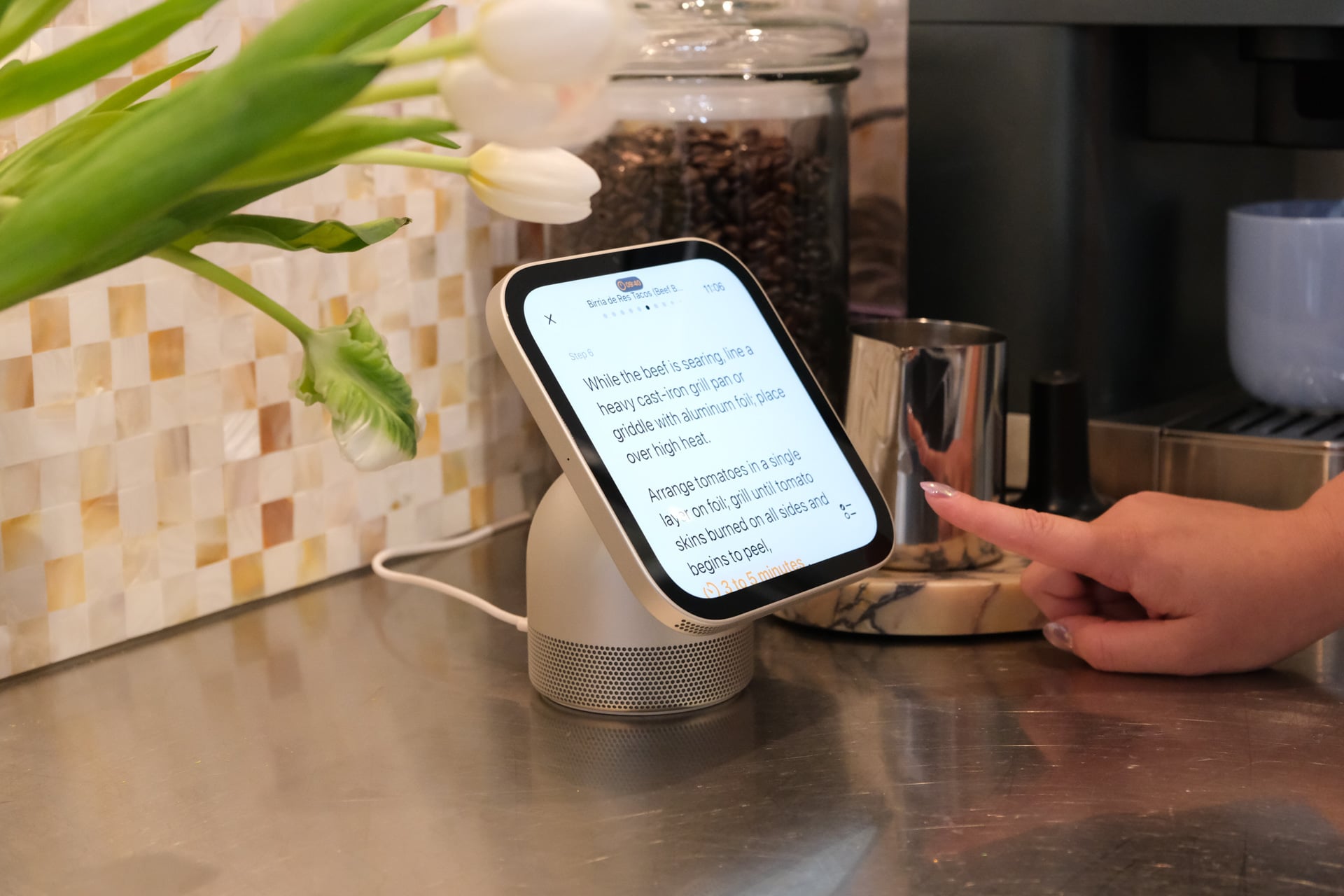
To understand why HomeViews represents a critical pivot for Apple, one must examine the company’s broader strategic calculus. For years, Apple’s HomePod line and Apple TV hardware have served as auxiliary touchpoints rather than foundational revenue drivers. The HomeViews concept—envisioned as a wall-mounted or tabletop command center integrating FaceTime, HomeKit controls, and advanced artificial intelligence agentic workflows—was designed to anchor the modern connected household.
However, the smart home market is notoriously fragmented, characterized by disparate IoT protocols, low consumer switching costs, and aggressive pricing strategies from Amazon (Echo Show) and Google (Nest Hub). By allowing HomeViews units to languish in warehouses, Apple inadvertently ceded valuable calendar quarters to competitors who continued to iterate on multimodal AI interfaces and Matter-protocol compatibility.
Financial analysts note that hardware delays of this magnitude ripple through multiple financial statements. While Apple’s robust services segment (App Store, iCloud, Apple Music) provides a lucrative cash cushion, Wall Street continues to price the equity based on hardware-driven ecosystem lock-in. When a pillar product category encounters logistical and software purgatory, it introduces uncertainty into forward-looking revenue models and compresses valuation multiples.
Industry and Market Implications
The disclosure surrounding HomeViews serves as a cautionary tale for institutional investors and tech conglomerates navigating the post-pandemic supply chain landscape. Several key sectors face immediate implications:
- Component Suppliers and EMS Providers: Electronics manufacturing services (EMS) partners who front-loaded component procurement face delayed inventory turnover, complicating receivables management and capacity planning for future product cycles.
- Enterprise Competitors: Amazon and Google gain additional runway to solidify enterprise and consumer loyalty within the smart display category, raising customer acquisition costs for Apple once HomeViews finally achieves commercial launch.
- Regulatory and Compliance Scrutiny: As hardware features increasingly rely on proprietary generative AI frameworks, compliance reviews regarding data privacy, local processing limits, and antitrust interoperability add unforeseen friction to product roadmaps.
- Shareholder Value and Risk Mitigation: Institutional asset managers are recalibrating risk models, demanding greater transparency regarding how tech giants manage the fragile intersection between aggressive hardware manufacturing and iterative software development.
Frequently Asked Questions (People Also Ask)
What exactly is Apple’s "HomeViews" device?
HomeViews is the internal industry moniker for Apple’s developing line of smart-home display hardware. Engineered to function as a centralized command hub, it integrates video communication, IoT home automation, and advanced ambient artificial intelligence capabilities.
Why did the units sit in warehouses for nearly a year?
Supply chain reports indicate a fundamental desynchronization between physical hardware manufacturing and software readiness. While assembly lines produced units ahead of schedule, engineering teams faced prolonged developmental hurdles finalizing the supporting operating system and AI integration frameworks.
How does this inventory delay affect Apple’s financial outlook?
While Apple possesses immense balance sheet liquidity to absorb carrying costs, prolonged warehousing ties up working capital, delays top-line hardware monetization, and temporarily impacts revenue diversification metrics expected by institutional investors.
When is HomeViews expected to officially launch to consumers?
Exact commercial release dates remain fluid pending final software stability sign-offs and regulatory clearances. Industry watchers anticipate a targeted rollout matching Apple's broader integration timeline for next-generation smart-home ecosystem updates.
Future Outlook and Strategic Milestones
As Apple navigates the fallout from the HomeViews warehousing bottleneck, executive leadership faces a critical litmus test in execution discipline. The episode highlights the growing pains associated with embedding complex ambient AI across physical consumer touchpoints.
Key milestones to monitor in the coming quarters include:
- Software Development Kit (SDK) Releases: Official developer previews that signal readiness for third-party smart home integrations.
- Logistics Clearance Metrics: Shifts in Asian manufacturing export data and domestic warehousing inventory turnover ratios.
- Ecosystem Announcements: Formal product announcements from Cupertino clarifying the pricing, positioning, and enterprise utility of the HomeViews lineup.
Ultimately, whether HomeViews emerges as a watershed category creator or a delayed footnote in hardware history will depend on Apple’s ability to bridge the widening gap between visionary product design and ruthless operational execution.