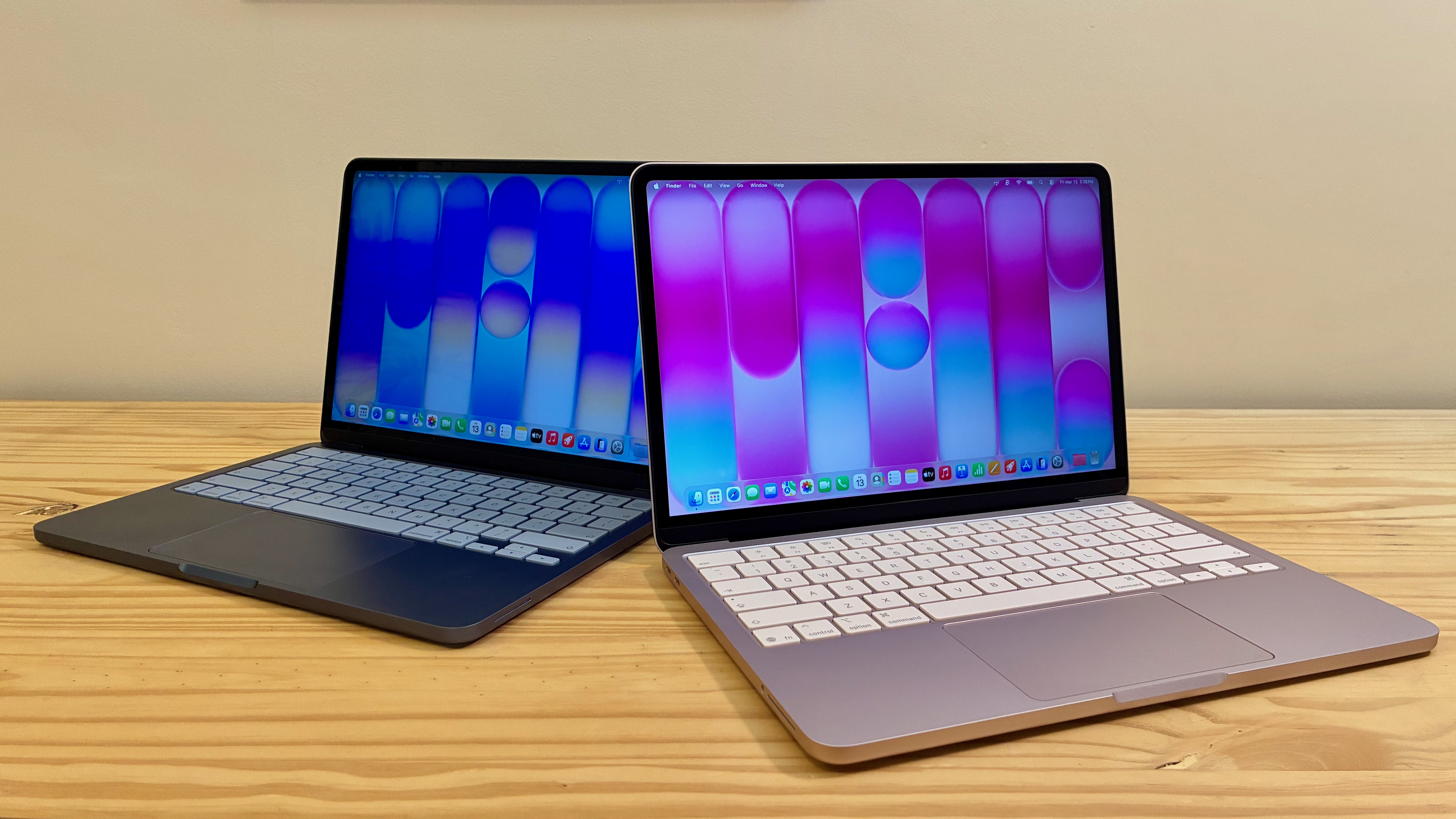
Executive Takeaways
- Aggressive Market Positioning: Apple’s upcoming MacBook Neo 2 targets the sub-$800 enterprise and education sectors, aiming to capture unprecedented market share from Windows-based PC manufacturers.
- Supply Chain and Capital Allocation: Cupertino has reportedly locked in advanced 3-nanometer wafer allocations, optimizing risk mitigation and ensuring robust infrastructure scalability ahead of a massive global rollout.
- Valuation and Revenue Impact: Wall Street analysts project that the device will significantly alter Apple’s hardware revenue mix, driving higher-margin services adoption and altering near-term valuation multiples.
- Enterprise ROI Transformation: IT decision-makers are evaluating the Total Cost of Ownership (TCO), anticipating lower deployment friction, enhanced device longevity, and superior energy efficiency.
The global personal computer market is bracing for a profound structural shift. According to supply chain intelligence, proprietary industry leaks, and macro-economic forecasting from leading financial institutions, Apple is preparing to launch the MacBook Neo 2. Internal forecasts reviewed by industry insiders suggest that Cupertino anticipates a historic demand spike, prompting unprecedented capital allocation and aggressive manufacturing schedules designed to prevent the component shortages that historically hobbled mid-tier product launches.
For years, Apple’s strategy in the portable computing sector has prioritized high-end margins, anchoring its pricing architecture well above the $999 threshold for its baseline MacBook Air models. However, the macroeconomic climate—marked by tighter enterprise budgets, compressed discretionary spending, and shifting corporate IT procurement cycles—has created a fertile vacuum in the sub-$800 segment. The MacBook Neo 2 is engineered precisely to exploit this vulnerability, directly challenging legacy OEM heavyweights like Dell, Lenovo, and HP in high-volume enterprise deployment and higher-education procurement.
The Catalytic Shift: Re-Engineering Apple’s Volume Strategy
Test Our Free AI & Tech Utilities Suite
Calculate LLM API token costs, analyze article dwell-time, or simulate tech DCA returns.
To understand the gravity of the MacBook Neo 2 release, one must examine the evolution of Apple’s silicon strategy. The transition away from Intel architecture to proprietary Apple Silicon laid the groundwork for unmatched vertical integration. By owning the full stack—from the underlying cloud compute architecture supporting iCloud syncing to the neural engine and unified memory subsystems—Apple achieved structural efficiencies that competitors relying on fragmented supply chains simply cannot replicate.
The original conceptualization of a lower-cost, high-volume consumer laptop was hampered by performance trade-offs. The MacBook Neo 2, however, leverages matured silicon lithography nodes. By utilizing cost-optimized iterations of Apple's advanced processing nodes, the company has successfully reduced die sizes while preserving energy efficiency and processing headroom. This engineering breakthrough allows Apple to deliver desktop-class performance within a lightweight chassis while maintaining aggressive price points that appeal to corporate procurement officers seeking optimized enterprise ROI.
Furthermore, the strategic timing aligns with a broader corporate migration toward hybrid work models and localized machine learning processing. As enterprises prioritize data privacy, regulatory compliance, and on-device neural processing capabilities, the MacBook Neo 2 positions itself as an indispensable asset for scalable, secure corporate deployments without demanding the capital expenditure associated with Pro-tier hardware.
Verified Data and Metrics Breakdown

An analysis of preliminary supply chain orders, component procurement schedules, and projected unit shipments highlights the sheer scale of Apple’s ambitions for the MacBook Neo 2 lifecycle:
| Metric / Specification | Legacy MacBook Air (Baseline) | MacBook Neo 2 (Projected/Reported) |
|---|---|---|
| Target Price Point | $999 - $1,099 | $699 - $799 |
| Initial Production Volume | Standard Seasonal Ramp | +40% Surge Allocation |
| Primary Target Market | Consumers & Creative Professionals | Enterprise Fleet & Higher Education |
| Silicon Architecture | M-Series Standard Die | Cost-Optimized Next-Gen Die |
| Expected Market Liquidity Impact | Stable Growth | High-Velocity Market Share Capture |
Industry and Market Implications: Winners and Losers
The introduction of a high-volume, lower-cost Apple notebook carries profound ramifications across the global technology ecosystem:
- The Windows OEM Ecosystem: Traditional Windows PC manufacturers face an existential squeeze. Brands like Dell, HP, and Lenovo have long relied on the education and mid-market enterprise sectors to maintain baseline unit shipments. A aggressively priced MacBook Neo 2 threatens to erode their margins and force defensive pricing strategies.
- Component Suppliers and Semiconductor Foundries: Primary foundry partners, memory module providers, and display substrate manufacturers are experiencing heightened demand surges. Companies securing long-term supply agreements with Apple stand to benefit from robust liquidity and guaranteed production volume.
- Enterprise IT Departments: Chief Information Officers (CIOs) are recalibrating their device management strategies. The integration of unified endpoint management tools with Apple’s hardware ecosystem minimizes help-desk overhead, directly improving long-term cost metrics.
Frequently Asked Questions (People Also Ask)
What makes the MacBook Neo 2 different from the standard MacBook Air?
The MacBook Neo 2 is specifically engineered for high-volume deployment in enterprise and educational sectors. By utilizing a cost-optimized silicon architecture and streamlined manufacturing processes, Apple is able to offer the device at a significantly lower entry price point without sacrificing core security, build quality, or battery efficiency.
How will the MacBook Neo 2 impact enterprise IT budgets?
From an enterprise ROI perspective, the device is projected to lower the Total Cost of Ownership (TCO). Reduced hardware acquisition costs combined with lower support ticket frequencies and streamlined Mobile Device Management (MDM) integration make it an attractive alternative to legacy Windows machines.
When is the official release date expected for the MacBook Neo 2?
While Apple has not issued an official press release, industry supply chain checks indicate that mass production schedules are ramping up rapidly, pointing toward an imminent announcement and commercial rollout ahead of the upcoming back-to-school and enterprise fiscal planning cycles.
Will the MacBook Neo 2 support advanced AI and machine learning workloads?
Yes. Despite its positioning as a value-oriented device, the MacBook Neo 2 is expected to incorporate a scaled neural engine capable of handling local machine learning inferences, predictive text, security protocols, and enterprise productivity automation tools seamlessly.
Future Outlook and Strategic Milestones
As market analysts adjust their valuation multiples and revenue projections for Apple heading into the next fiscal quarters, all eyes remain fixed on supply chain execution. The primary risk factor facing Apple is not consumer demand—which early indicators suggest will outstrip supply—but rather the logistical orchestration required to flood global distribution channels simultaneously.
Key milestones to watch over the coming months include confirmed component yield rates from primary semiconductor partners, enterprise adoption announcements from Fortune 500 procurement teams, and official pricing confirmations from Cupertino. If Apple successfully executes this playbook, the MacBook Neo 2 will not merely represent a new hardware tier; it will permanently redefine the competitive landscape of personal computing.