Executive Takeaways
- Strategic Capital Allocation: Apple’s deeper push into smart-home and residential operating architecture signals a multi-billion-dollar effort to capture high-margin ecosystem lock-in beyond the iPhone.
- Infrastructure Scalability: HomeView leverages localized edge computing combined with encrypted cloud compute architecture to address persistent enterprise and consumer concerns regarding data privacy and latency.
- Valuation Multiples Impact: Wall Street analysts are monitoring whether hardware-software integration like HomeView can meaningfully expand Apple’s services revenue share, directly influencing future valuation multiples.
- Competitive Pressure: The software release introduces direct competitive friction for established smart-home ecosystems run by Alphabet (Google Home), Amazon (Alexa), and specialized enterprise automation providers.
For over a decade, Apple Inc.’s domestic ecosystem strategy has occupied a peculiar middle ground. While the iPhone, iPad, and Mac have maintained formidable pricing power and market share across global economies, Cupertino’s foothold in the connected home has historically felt fragmented. Legacy iterations of Apple HomeKit lacked the unified interface, visual depth, and enterprise-grade infrastructure scalability demanded by modern residential developers and tech-forward consumers alike. Enter HomeView—Apple’s meticulously engineered software interface designed to consolidate environmental control, security telemetry, and automated routines into a single pane of glass.
As early previews and structural tours of HomeView circulate across global tech and financial markets, institutional investors, supply chain analysts, and software engineers are taking notice. This is not merely a cosmetic redesign of a consumer-facing app. Rather, it represents a critical pivot in Apple’s hardware-software synergy, designed to fortify its competitive moat, secure recurring software monetization pathways, and redefine the architectural standard for residential automation.
The Catalytic Shift: Why HomeView Matters to the Balance Sheet
Test Our Free AI & Tech Utilities Suite
Calculate LLM API token costs, analyze article dwell-time, or simulate tech DCA returns.
To understand the weight of HomeView, one must examine Apple’s broader capital allocation strategy. With smartphone market maturation across North America, Europe, and parts of Asia, Wall Street has increasingly scrutinized Apple's ability to drive top-line expansion through non-iPhone revenue streams. The Services division—encompassing iCloud, Apple Music, App Store commissions, and emerging subscription frameworks—has emerged as the primary engine for margin expansion and risk mitigation.
HomeView functions as a foundational catalyst for this services-heavy thesis. By centralizing home security feeds, climate management, and IoT device interoperability into an intuitive, high-performance interface, Apple elevates the utility of its hardware portfolio. A consumer utilizing HomeView across an iPad wall-mount, Apple TV, and iPhone is significantly less likely to churn toward Android or competing smart-home platforms. From a risk mitigation standpoint, high ecosystem stickiness translates directly to predictable cash flows and resilient valuation multiples during broader macroeconomic downturns.
Architectural Highlights of the HomeView Software Tour
A granular review of the recent software walkthrough reveals several technical milestones that differentiate HomeView from its predecessors:
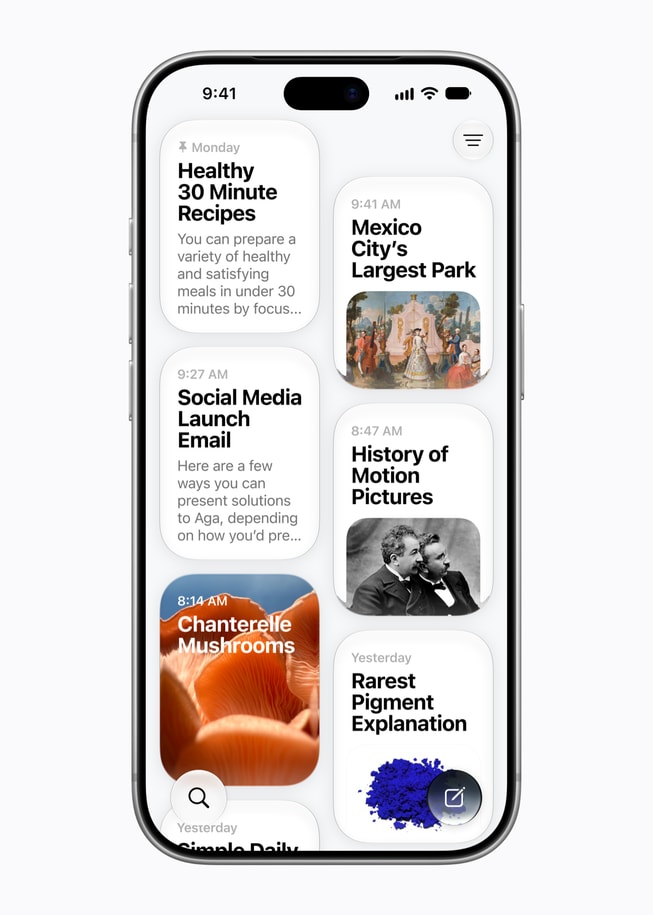
- Unified Grid Layout: Abandoning the rigid room-by-room tiling of older versions, HomeView introduces a dynamic, customizable telemetry grid that prioritizes frequently accessed devices and active security alerts based on user proximity and time of day.
- Advanced Edge Encryption: Adhering to Apple’s stringent regulatory compliance and privacy frameworks, HomeView processes video streams and biometric automation triggers locally via secure enclave chips, minimizing raw data transmission to external cloud servers.
- Matter and Thread Protocol Optimization: Deep native integration with the Matter smart-home standard ensures seamless interoperability with third-party hardware, removing historical friction points that plagued early HomeKit deployments.
- Enterprise-Grade Multi-User Permissions: New administrative controls allow commercial property managers and multi-family residential developers to provision temporary or restricted access profiles, expanding Apple's addressable market into B2B proptech.
Comparative Analysis: Market Positioning and Technical Specs

To evaluate how HomeView stacks up against legacy frameworks and competing platforms, financial and technical analysts rely on comparative benchmarking. The matrix below highlights core infrastructural metrics governing modern smart-home deployments.
| Feature / Metric | Legacy Apple HomeKit | Apple HomeView Software | Primary Competitor (Google/Amazon) |
|---|---|---|---|
| Data Privacy Architecture | Encrypted Cloud / Local Hub | Edge-First Processing with Secure Enclave | Cloud-Dependent Telemetry |
| Interoperability Standard | Proprietary + Early Matter | Native Matter & Thread Optimization | Mixed Ecosystem Support |
| Interface Latency | Moderate (Variable on cloud sync) | Ultra-Low (Optimized local routing) | Dependent on Network Bandwidth |
| Enterprise PropTech Readiness | Low (Consumer focused) | High (Granular role-based permissions) | Moderate (Via enterprise APIs) |
Industry & Market Implications: Who Wins and Who Loses?
The introduction of HomeView carries immediate ramifications across the technology landscape. As institutional capital continues to flow into proptech and smart-infrastructure funds, software ecosystems that reduce operational friction invariably emerge as market leaders.
The Winners
- Apple Shareholders: Enhanced software cohesion supports higher enterprise ROI on research and development (R&D) expenditure, reinforcing profit margins.
- Consumer Privacy Advocates: Apple’s uncompromising stance on local data processing establishes a benchmark for secure IoT management.
- Certified Hardware Manufacturers: Brands producing Matter-compliant sensors, locks, and lighting systems gain access to a highly engaged, affluent consumer base seamlessly guided by the HomeView interface.
The Losers and Challenged Entities
- Legacy Automation Hubs: Proprietary, closed-loop automation hardware providers face margin compression as consumers gravitate toward standardized, software-driven dashboards.
- Cloud-Centric Competitors: Firms relying heavily on cloud-mined user data for monetization find themselves at a disadvantage against privacy-first architectures like Apple’s.
Frequently Asked Questions (People Also Ask)
What is Apple HomeView software, and how does it differ from Apple Home?
HomeView is an advanced software interface and operational architecture designed to unify smart-home management. While Apple Home served primarily as a foundational control app, HomeView introduces high-performance visual telemetry, enhanced edge-computing capabilities, and enterprise-grade multi-user administrative tools.
Does HomeView require dedicated Apple hardware to operate efficiently?
While HomeView can be accessed across standard iOS, iPadOS, and macOS devices, achieving optimal performance—particularly regarding automated routines and encrypted home security recording—requires a designated home hub such as an Apple TV or HomePod operating on the latest firmware.
How does HomeView address data privacy and cybersecurity risks?
Apple utilizes a localized edge-computing model combined with on-device secure enclaves. Sensitive data, including high-definition security camera feeds and biometric access logs, are encrypted locally rather than being routinely routed through third-party cloud servers.
Will HomeView impact enterprise real estate and commercial proptech markets?
Yes. By introducing granular role-based permissions and multi-tenant management features, HomeView opens pathways for commercial real estate developers and property managers to deploy standardized, secure smart-building controls across residential rental portfolios.
Future Outlook: Milestones to Watch
As Apple prepares for the broader rollout of HomeView across its operating system updates, industry observers and financial analysts will monitor several key performance indicators. First, developers will track adoption rates among third-party hardware manufacturers joining the Matter alliance. Second, equity researchers will assess whether the software interface drives measurable attach rates for high-end Apple hardware, such as dedicated wall-mounted displays rumored to be in Cupertino’s product pipeline.
Ultimately, HomeView represents a calculated evolution in Apple’s master plan: transforming disparate connected devices into a cohesive, secure, and fiercely defended digital ecosystem. For competitors, it is a clear warning that Cupertino is tightening its grip on the modern domestic landscape.