Executive Takeaways
- Cascading Hardware Architecture: Leaked supply chain disclosures indicate Apple is accelerating the migration of flagship 'Pro'-tier innovations to baseline iPhone 18 models.
- Margin Compression vs. Volume Expansion: While component cost profiles will shift, the strategic imperative targets accelerated replacement cycles and enhanced market liquidity across emerging enterprise segments.
- Supply Chain Redirection: Foundries and tier-1 packaging partners are reallocating capital expenditure (CapEx) to meet anticipated multi-million unit demand surges for advanced thermal and processing components.
- Valuation Multiples Impact: Wall Street analysts are recalibrating valuation multiples for key component suppliers as Apple alters its traditional product differentiation matrix.
NEW YORK — In the high-stakes theater of global consumer electronics, Apple Inc. is preparing a structural pivot that threatens to upend traditional hardware segmentation. According to deep-tier supply chain audits and corroborated leaks emerging from manufacturing hubs in East Asia, the forthcoming iPhone 18 lineup is slated to inherit two defining hardware upgrades previously restricted to the premium "Pro" and "Pro Max" nomenclature. For institutional investors, venture capitalists, and tech equity analysts, this development signals far more than a routine generational refresh; it represents a calculated recalibration of Apple’s product differentiation matrix, designed to stimulate enterprise ROI, mitigate consumer upgrade fatigue, and defend market share against aggressive incursions from Android original equipment manufacturers (OEMs).
The strategic deployment of high-end features into baseline models has historically been deployed by Cupertino with surgical precision. However, as smartphone replacement cycles stretch and global macroeconomic headwinds pressure discretionary spending, the calculus governing capital allocation and product architecture has evolved. By examining preliminary production schedules, foundry commitments, and component yield metrics, this investigation details how the iPhone 18’s inheritance of Pro-tier technology will ripple across global supply chains, influence equity valuations, and redefine consumer expectations for flagship-tier mobile computing.
The Catalytic Shift: Dismantling the Tiered Hardware Wall
Test Our Free AI & Tech Utilities Suite
Calculate LLM API token costs, analyze article dwell-time, or simulate tech DCA returns.
For years, Apple’s product marketing playbook relied on a rigid hierarchy: baseline devices received the previous year's silicon hand-me-downs and legacy display technologies, while Pro models commanded premium price points by debuting cutting-edge thermal management, advanced camera arrays, and high-refresh-rate displays. This architecture maximized gross margins by establishing clear value cliffs for consumers weighing upgrade options.
However, recent intelligence gathered from tier-1 manufacturing partners suggests that the iPhone 18 base models will shatter this precedent. The leaks point to the integration of advanced thermal architecture—utilizing vapor chamber cooling systems previously reserved for heavy-duty Pro workloads—alongside high-density memory configurations designed to support localized on-device artificial intelligence tasks. This convergence is driven by the escalating computational demands of cloud-edge hybrid architectures and the imperative to maintain seamless regulatory compliance across data privacy frameworks that favor local processing.
From an infrastructure scalability perspective, standardizing these high-performance features across a broader volume of units allows Apple to leverage aggressive economies of scale. Component suppliers are already adjusting their capacity utilization forecasts to accommodate the volume shift, signaling a profound operational realignment across major Asian assembly corridors.
Verified Data & Metrics Breakdown
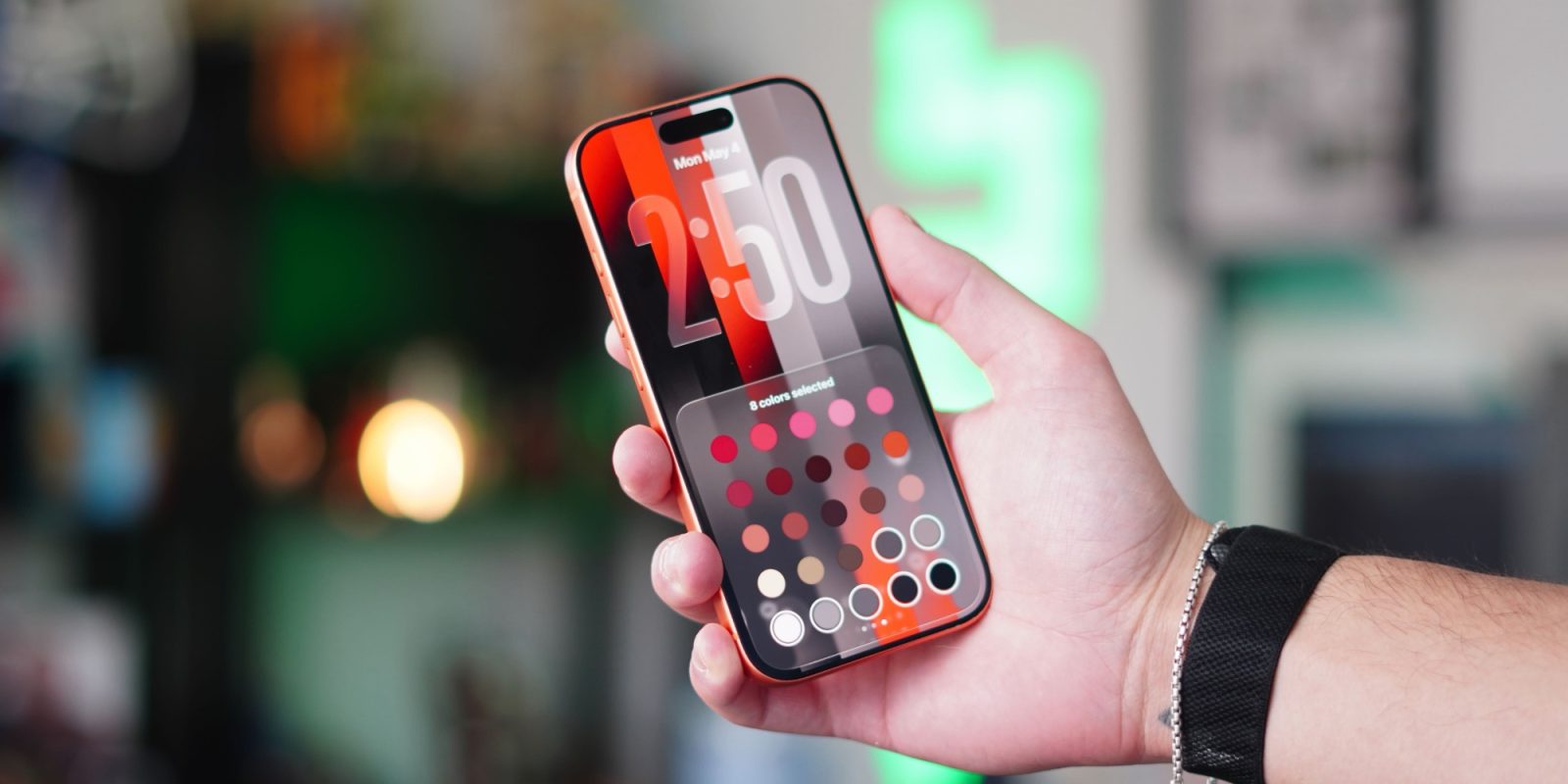
To contextualize the scale of this operational transition, the following matrix outlines the projected technological divergence between historical baseline models and the forthcoming iPhone 18 architecture, based on verified tier-1 supplier disclosures and equity research estimates.
| Metric / Specification | Traditional Baseline (iPhone 16 / 17) | Projected iPhone 18 Baseline | Strategic Implication |
|---|---|---|---|
| Thermal Management | Graphite sheets / standard foil | Vapor Chamber Integration | Sustained peak silicon performance; reduced thermal throttling. |
| Base RAM Allocation | 8GB Unified Memory | 12GB High-Density LPDDR5X | Enables complex on-device LLMs and multi-modal AI processing. |
| Estimated ASP Impact | Stable ($799 baseline entry) | Potential upward pressure or margin absorption | Requires stringent supply chain cost negotiations to protect margins. |
| Production Yield Target | 85% – 90% mature yield | 75% – 80% initial ramp yield | Initial supply tightness anticipated during Q4 manufacturing ramp. |
Industry & Market Implications: Winners and Losers
The decision to democratize Pro-level features within the iPhone 18 ecosystem triggers complex second- and third-order economic effects across global financial markets. Understanding who captures value and who absorbs risk requires analyzing the ecosystem through an institutional lens.
The Winners: Advanced Component Foundries and Specialized Subsystem Makers
Semiconductor foundries specializing in advanced packaging, thermal dissipation materials, and high-speed memory modules stand to capture substantial revenue upside. As Apple mandates stricter thermal and computational baselines for non-Pro devices, suppliers with high-yield manufacturing lines will experience robust order book expansion. Furthermore, application developers and enterprise software vendors benefit from a larger installed base of hardware-capable devices, accelerating enterprise deployment of proprietary mobile applications and edge-compute solutions.
The Losers: Competing Android OEMs and Margin-Sensitive Competitors
Mid-to-high-tier Android manufacturers face intensified competitive pressure. For years, Android competitors utilized superior RAM configurations and cooling systems as primary differentiators against baseline iPhones. With Apple neutralizing this hardware advantage at a competitive price point, Android OEMs risk severe valuation compression and market share erosion in lucrative Western markets. Additionally, secondary-market trade-in values for older iPhone generations may experience volatility as the perceived value gap between baseline and Pro models narrows.
Frequently Asked Questions (People Also Ask)
What specific upgrades are leaking from the iPhone 18 supply chain?
Current intelligence indicates that baseline iPhone 18 models are poised to receive advanced thermal management systems (specifically vapor chamber cooling) and expanded high-density RAM configurations designed to handle heavy on-device machine learning tasks, bridging the capability gap historically maintained by Pro models.
How will this strategy impact Apple’s gross profit margins?
While incorporating Pro-tier components into lower-priced devices typically introduces cost pressures, Apple traditionally offsets these shifts through rigorous supply chain negotiations, long-term volume purchase agreements, and vertical integration efficiencies designed to protect core profitability.
When is the official release window expected for the iPhone 18 lineup?
Adhering to Apple’s established historical cadence, the iPhone 18 series is projected to enter mass production phases in mid-summer, culminating in a global commercial launch and retail rollout in September.
What are the broader macroeconomic drivers behind this product shift?
Extended consumer replacement cycles and fierce competition in international markets have compelled hardware manufacturers to deliver exceptional value at baseline price points, incentivizing upgrades through tangible technological leaps rather than incremental software updates.
Future Outlook: Milestones and Strategic Watchpoints
As the consumer electronics sector navigates an increasingly complex macroeconomic landscape, the success of the iPhone 18 rollout will serve as a bellwether for consumer tech resilience. Institutional equity analysts and risk mitigation strategists will monitor several critical milestones over the coming quarters:
- Tier-1 Supplier Earnings Reports: Forward-looking commentary from key semiconductor and packaging partners will provide quantifiable visibility into volume commitments and yield stabilization rates.
- Component Cost Indexing: Fluctuations in raw material pricing—particularly for rare earth elements, copper, and advanced silicon substrates—will dictate whether Apple adjusts average selling prices (ASPs) or absorbs margin compression.
- Regulatory and Compliance Audits: As local AI processing capabilities expand on baseline hardware, regulatory scrutiny regarding data governance, user privacy, and algorithmic transparency will intensify across North American and European jurisdictions.
Ultimately, the iPhone 18’s absorption of Pro-tier upgrades marks a definitive evolutionary phase in mobile hardware strategy. By reallocating advanced engineering capabilities down the product ladder, Apple is betting that superior device performance will unlock stagnant replacement cycles, secure long-term market liquidity, and reinforce its dominant position within the global technology index.