Executive Takeaways
- Unprecedented Pricing Architecture: Motorola officially breaches the ultra-premium $1,500 threshold with the Signature 27, signaling a decisive shift away from mid-market volume toward high-margin flagship hardware.
- Enterprise and Capital Alignment: Engineered to satisfy stringent enterprise ROI and security compliance requirements, targeting high-net-worth professionals and corporate fleets.
- Margin Expansion Strategy: Backed by parent company Lenovo, this release represents a calculated risk mitigation play to capture valuation multiples traditionally dominated by Apple and Samsung.
- Ecosystem and Supply Chain Pressure: Incorporates next-generation silicon, advanced thermal architecture, and proprietary imaging arrays that test global component sourcing and capital allocation limits.
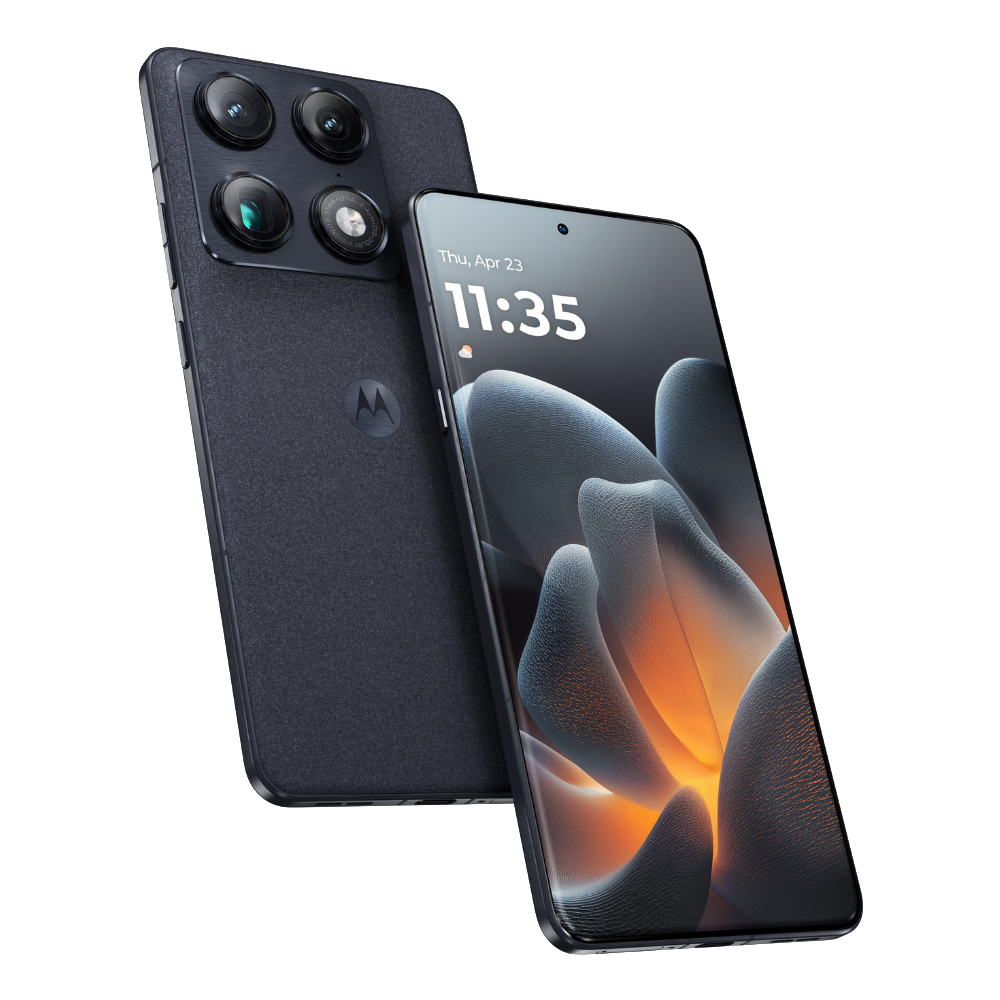
For more than a decade, Motorola Solutions and its consumer mobility counterpart have operated under a distinct strategic dichotomy: win global volume through reliable, cost-effective mid-tier devices, or selectively challenge the hegemony of the ultra-premium tier. With the official rollout of the Motorola Signature 27 at a striking $1,599 price point, that dichotomy has been aggressively dismantled. This is not merely an incremental hardware refresh; it is a profound capital allocation maneuver designed to test market liquidity, redefine the brand's valuation multiples within the consumer electronics segment, and capture lucrative corporate fleets seeking uncompromising enterprise-grade mobility solutions.
As global supply chains navigate fluctuating inflationary pressures and shifting consumer electronics demand, Motorola’s decision to plant its flag firmly in the four-figure luxury bracket sends a shockwave through the tier-1 mobile ecosystem. Financial analysts tracking the sector are closely scrutinizing whether Lenovo’s mobile division can successfully execute a brand elevation strategy that has historically humbled seasoned original equipment manufacturers (OEMs). To understand the true weight of the Signature 27, we must dissect its technological architecture, analyze its broader economic implications, and evaluate the strategic risks underpinning its rollout.
The Catalytic Shift: Re-Engineering Motorola for the Ultra-Premium Tier
Test Our Free AI & Tech Utilities Suite
Calculate LLM API token costs, analyze article dwell-time, or simulate tech DCA returns.
The genesis of the Motorola Signature 27 traces back to a broader corporate realignment within Lenovo. Facing plateauing growth in saturated budget and mid-range smartphone segments, executive leadership mandated a pivot toward high-margin hardware. In the consumer technology sector, gross margin compression is an existential threat. By elevating average selling prices (ASPs), manufacturers insulate themselves against rising silicon costs, logistics volatility, and elongated replacement cycles.
The Signature 27 arrives loaded with true flagship specifications tailored to justify its aggressive $1,599 tag. Beneath its precision-milled aerospace-grade aluminum chassis lies an advanced cloud-compute-optimized processor architecture paired with proprietary neural processing units (NPUs). This hardware configuration is explicitly engineered to handle local generative artificial intelligence workloads, real-time cryptographic security protocols, and heavy enterprise data parsing without throttling thermal thresholds.
Furthermore, Motorola has addressed long-standing criticisms regarding software longevity and infrastructure scalability. The device features a guaranteed seven-year software support lifecycle—matching the gold standard set by industry titans—thereby reducing total cost of ownership (TCO) for enterprise buyers conducting rigorous risk mitigation assessments before deploying mobile fleets.
Comparative Hardware and Market Metrics

To contextualize the market positioning of the Motorola Signature 27, the following matrix compares its core specifications, financial metrics, and target demographics against established tier-1 ultra-premium competitors:
| Metric / Specification | Motorola Signature 27 | Apple iPhone 15/16 Pro Max | Samsung Galaxy S24/S25 Ultra |
|---|---|---|---|
| Launch Price (Base) | $1,599 | $1,199 - $1,599 | $1,299 - $1,659 |
| Target Demographic | Enterprise Executives, Power Users | Mass Affluent, Ecosystem Loyalists | Productivity Professionals, Creators |
| Software Support Lifecycle | 7 Years (OS & Security) | 5-7 Years Estimated | 7 Years (OS & Security) |
| Primary Value Proposition | Zero-compromise hardware & security | Seamless iOS ecosystem integration | Versatile S-Pen & optics array |
| Expected Gross Margin Impact | High positive margin expansion | Stable, highly optimized | High blended hardware margin |
Industry & Market Implications: Winners, Losers, and Economic Realities
The introduction of a $1,599 Motorola device ripples across global telecommunications markets, forcing competitors and channel partners to recalculate their strategies. The economic ramifications are multi-layered:
- The Winners: Enterprise procurement officers and corporate IT departments stand to benefit. The Signature 27 offers an alternative to the Apple-Samsung duopoly, providing leverage in enterprise software licensing negotiations and hardware volume discounts. Additionally, component suppliers specializing in high-end OLED panels, advanced thermal management materials, and custom silicon see a reliable tier-1 customer expanding its high-margin product pipeline.
- The Losers: Mid-tier regional brands and legacy challengers attempting to carve out space in the $800–$1,200 bracket face intensified pressure. When consumers and enterprises see a trusted brand like Motorola command $1,599, the psychological barrier for unproven luxury brands trying to scale pricing is magnified. Furthermore, carriers may find themselves dedicating higher marketing subsidies to push the device, squeezing retail carrier margins.
- Macroeconomic Impact: From a macroeconomic perspective, the device underscores the "K-shaped" recovery of consumer spending. While mass-market segments demand value and extended device lifecycles, the ultra-premium tier remains resiliently insulated. High-net-worth individuals and corporate budgets continue to absorb premium pricing, rewarding companies that successfully execute vertical integration and brand prestige.
Frequently Asked Questions (People Also Ask)
Why is Motorola pricing the Signature 27 at $1,599?
The $1,599 price point reflects Motorola's strategic transition from a volume-driven mid-market player to an ultra-premium flagship contender. By embedding cutting-edge silicon, advanced enterprise-grade security, and premium materials, Motorola is pursuing aggressive gross margin expansion and targeting high-net-worth consumers and corporate fleet buyers.
How does the Signature 27 integrate into enterprise IT infrastructure?
The device is built with regulatory compliance and enterprise ROI in mind. It features a guaranteed seven-year software support lifecycle, enhanced hardware-level encryption, and optimized cloud-compute architecture designed to integrate seamlessly with modern mobile device management (MDM) platforms, thereby minimizing total cost of ownership.
Can Motorola successfully challenge Apple and Samsung in the ultra-premium tier?
While brand loyalty to iOS and Galaxy ecosystems presents a formidable moat, Motorola's heritage in enterprise reliability and distinct hardware design gives it a viable wedge. Success will depend heavily on retail execution, carrier partnerships, and sustained marketing investments to shift consumer perception.
What are the supply chain and financial risks associated with this launch?
The primary risks involve capital allocation efficiency and market liquidity at the four-figure price point. If consumer demand soft-pedals due to macroeconomic tightening, excess inventory in the ultra-premium tier can pressure operating margins and force unplanned promotional discounting.
Future Outlook: Milestones and Strategic Watchpoints
As the Motorola Signature 27 rolls out across North American, European, and Asian markets, industry stakeholders will monitor several critical milestones over the next twelve to twenty-four months. First, quarterly earnings reports from Lenovo will provide empirical visibility into whether the device achieves its intended gross margin expansion without negatively impacting total unit shipments.
Second, enterprise adoption rates will serve as the ultimate proving ground. If corporate fleet managers embrace the Signature 27 as a viable, secure alternative to established flagships, Motorola will have successfully secured a lucrative recurring revenue channel that insulates it from consumer market volatility.
Ultimately, the Motorola Signature 27 is far more than a smartphone release—it is a bellwether for the mobile industry's capacity to sustain pricing power in an era of sophisticated technological parity. Whether this high-stakes gamble yields long-term valuation multiples or requires a tactical pivot will be one of the most closely watched narratives in enterprise and consumer tech.