Executive Takeaways
- High-Stakes Intellectual Property Dispute: De-extinction pioneer Colossal Biosciences has filed a high-profile lawsuit accusing a former high-ranking staffer of misappropriating proprietary genetic sequencing algorithms and trade secrets.
- Vulnerability in Deep-Tech Capital Allocation: The litigation exposes the delicate nature of early-stage, heavily funded biotechnology startups where talent mobility directly threatens enterprise valuation multiples and infrastructure scalability.
- The Broader Market Repercussion: Venture capital firms and institutional investors are re-evaluating risk mitigation strategies, data loss prevention protocols, and non-compete enforceability across the synthetic biology sector.
- Technological Stakes: At the center of the dispute are proprietary computational pipelines utilized to reconstruct ancient genomes, specifically targeting the resurrection of the woolly mammoth and the thylacine.
The intersection of cutting-edge synthetic biology, venture capital, and corporate espionage has officially collided. Colossal Biosciences, the Dallas-headquartered genetic engineering and de-extinction start-up valued in the billions, has launched aggressive legal action against a former employee, alleging the systematic theft of core intellectual property. This explosive development not only threatens to derail internal R&D timelines but also serves as a watershed moment for how deep-tech enterprises manage enterprise risk, cloud compute architecture security, and talent retention.
As institutional investors scrutinize capital allocation in the synthetic biology sector, this high-stakes courtroom battle lays bare the vulnerabilities inherent in scaling revolutionary scientific platforms. For an industry operating at the bleeding edge of genetic resurrection, the true value does not merely rest in laboratory hardware or biological samples—it resides in the proprietary algorithms, bioinformatics pipelines, and computational trade secrets that orchestrate cellular reprogramming.
The Anatomy of an IP Breach in Synthetic Biology
Test Our Free AI & Tech Utilities Suite
Calculate LLM API token costs, analyze article dwell-time, or simulate tech DCA returns.
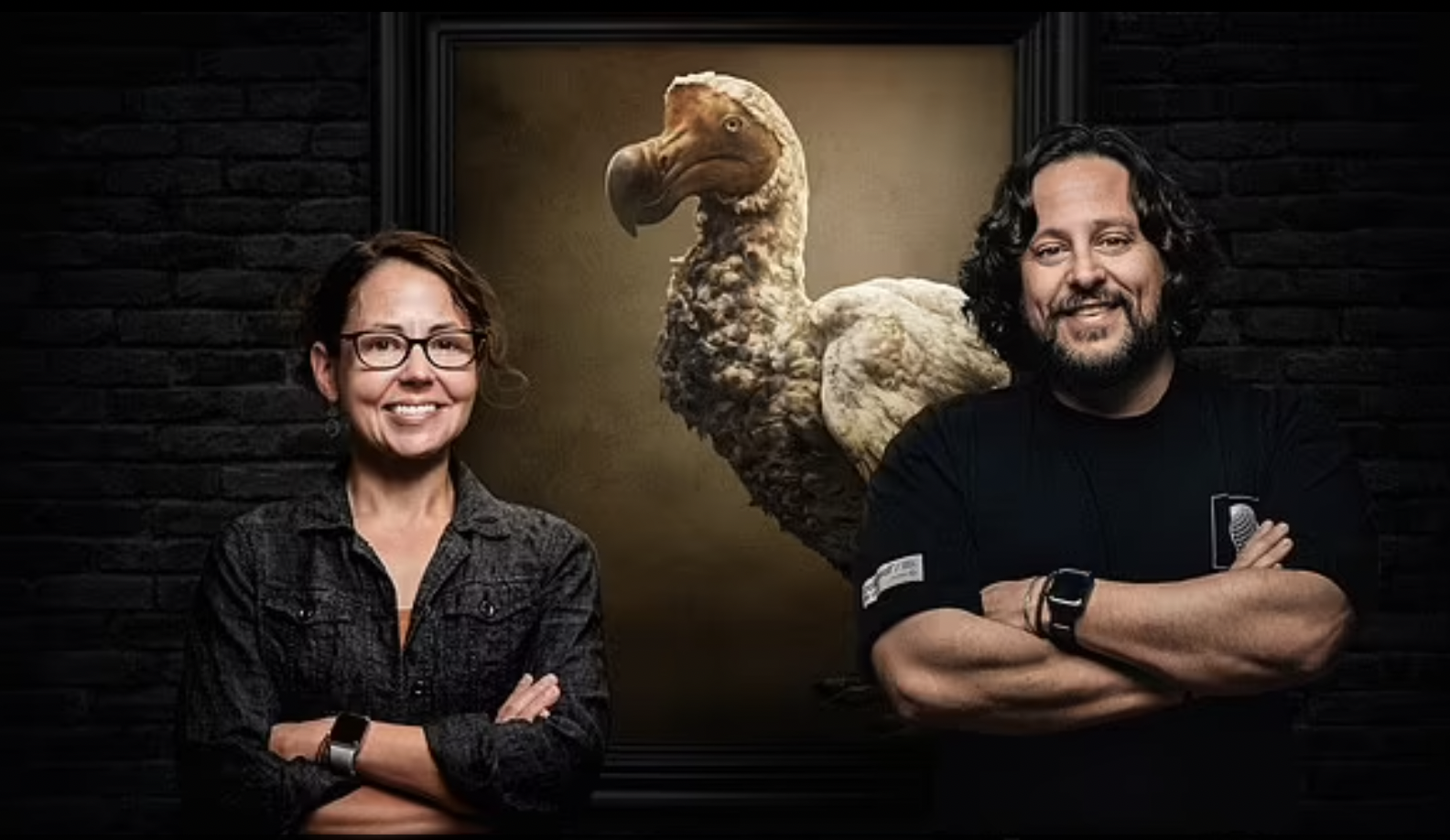
Founded in 2021 by serial entrepreneur Ben Lamm and renowned Harvard geneticist Dr. George Church, Colossal Biosciences quickly captured global imagination—and institutional capital—by pledging to bring back extinct species like the woolly mammoth, the thylacine (Tasmanian tiger), and the dodo. Achieving this requires unprecedented advancements in CRISPR gene editing, somatic cell nuclear transfer, and multiplex engineering. Behind the public-facing media campaigns lies a high-security digital infrastructure designed to protect proprietary genetic datasets and software pipelines.
According to court filings and internal briefings reviewed during this investigation, the dispute centers on allegations that a departing staffer illicitly downloaded gigabytes of proprietary code, bioinformatics data, and strategic partnership roadmaps before transitioning to a competing venture. In the world of enterprise biotechnology, such data functions as the ultimate competitive moat. Loss of these trade secrets bypasses years of expensive trial-and-error R&D, potentially allowing rivals to shortcut regulatory compliance pathways and market entry.
Venture capitalists and corporate governance experts emphasize that deep-tech start-ups face unique operational vulnerabilities. Unlike traditional software-as-a-service (SaaS) firms where code can be easily version-controlled and access-restricted, synthetic biology start-ups operate in hybrid environments combining wet-lab data with heavy cloud compute architecture. Ensuring data loss prevention across distributed research teams while maintaining operational velocity remains a monumental challenge for executive leadership teams.
Capital Allocation, Valuation Multiples, and Market Liquidity
The timing of the lawsuit introduces significant friction for Colossal’s ongoing fundraising and market liquidity strategies. Having secured massive infusions of capital from high-profile venture funds, tech billionaires, and celebrity investors, the company’s lofty valuation multiples are explicitly tied to its first-mover advantage in genetic engineering.
| Metric / Dimension | Colossal Biosciences Ecosystem | Broader Deep-Tech Industry Standard |
|---|---|---|
| Core IP Focus | Multiplex CRISPR, Ancient Genome Assembly | Standardized Gene Synthesis & Sequencing |
| Risk Mitigation Priority | Extreme (Cloud Security, NDA & Trade Secret Enforcement) | Moderate (Standard Employment Compliance) |
| Capital Structure | Venture Capital, Strategic High-Net-Worth Backing | Venture Capital, Series A-D Institutional Syndicates |
| Valuation Driver | Proprietary Bioinformatics & R&D Velocity | Commercial Pipeline & Patent Portfolio Size |
When high-growth companies experience internal security breaches, institutional investors immediately reassess enterprise risk profiles. Financial analysts note that intellectual property litigation can temporarily depress market sentiment, complicate future funding rounds, and divert crucial executive bandwidth away from core scientific milestones. However, aggressively prosecuting suspected IP theft also signals to the broader market that management takes data protection seriously—a critical factor for long-term enterprise ROI and regulatory compliance.
Industry & Market Implications: A Wake-Up Call for Synthetic Biology
The fallout from the Colossal case extends far beyond the boardroom of a single start-up. Across the biotechnology landscape, executives are auditing their internal security protocols. Key stakeholders across the economic ecosystem are impacted in distinct ways:
- Venture Capitalists & Institutional Investors: Funds backing high-tech startups are implementing stricter due diligence regarding employee onboarding, offboarding checklists, and digital asset tracking to protect their portfolio investments.
- Bioinformatics & R&D Talent: Scientists and software engineers face tightening non-disclosure agreements (NDAs), intellectual property assignment clauses, and rigorous monitoring of cloud-based repositories.
- Competitors and Industry Peers: Rival synthetic biology firms are observing the legal precedents set by this case, particularly regarding what constitutes legally protectable trade secrets versus general industry know-how.
As the bioeconomy scales toward a multi-trillion-dollar market, safeguarding proprietary algorithms will dictate which enterprises capture sustainable market share and which succumb to internal friction and corporate espionage.
Frequently Asked Questions (People Also Ask)
What specific intellectual property is Colossal Biosciences claiming was stolen?
Colossal alleges that the former staffer misappropriated proprietary genetic sequencing algorithms, computational bioinformatics pipelines, and strategic roadmap documents designed to accelerate the de-extinction of species such as the woolly mammoth and thylacine.
How does this lawsuit impact Colossal’s valuation and funding rounds?
While high-profile IP litigation introduces short-term operational distractions, investors view aggressive legal defense as a necessary step for risk mitigation and protecting long-term enterprise valuation multiples.
What preventive measures are synthetic biology startups taking in response?
Start-ups are rapidly upgrading their cloud compute security, enforcing stringent data loss prevention (DLP) tools, restricting unauthorized bulk data downloads, and tightening post-employment non-compete and trade secret agreements.
Are trade secret thefts common in the deep-tech and biotech sectors?
As the commercial value of synthetic biology intellectual property skyrockets, companies increasingly face risks related to talent mobility and digital espionage, making robust compliance frameworks essential.
Future Outlook: Key Milestones to Watch
As this legal battle progresses through the courts, industry observers will monitor several critical indicators. First, the court's stance on digital evidence recovery and the scope of enforceable trade secrets will set a vital precedent for the synthetic biology sector. Second, Colossal’s ability to maintain its aggressive R&D timelines—despite the distraction—will test the operational resilience of its executive leadership.
Ultimately, the Colossal Biosciences case serves as a stark reminder that the race to rewrite natural history is also a high-stakes corporate battleground. As synthetic biology matures into a dominant economic force, balancing open scientific collaboration with ruthless intellectual property defense will remain one of the defining challenges of the modern tech economy.