Executive Takeaways
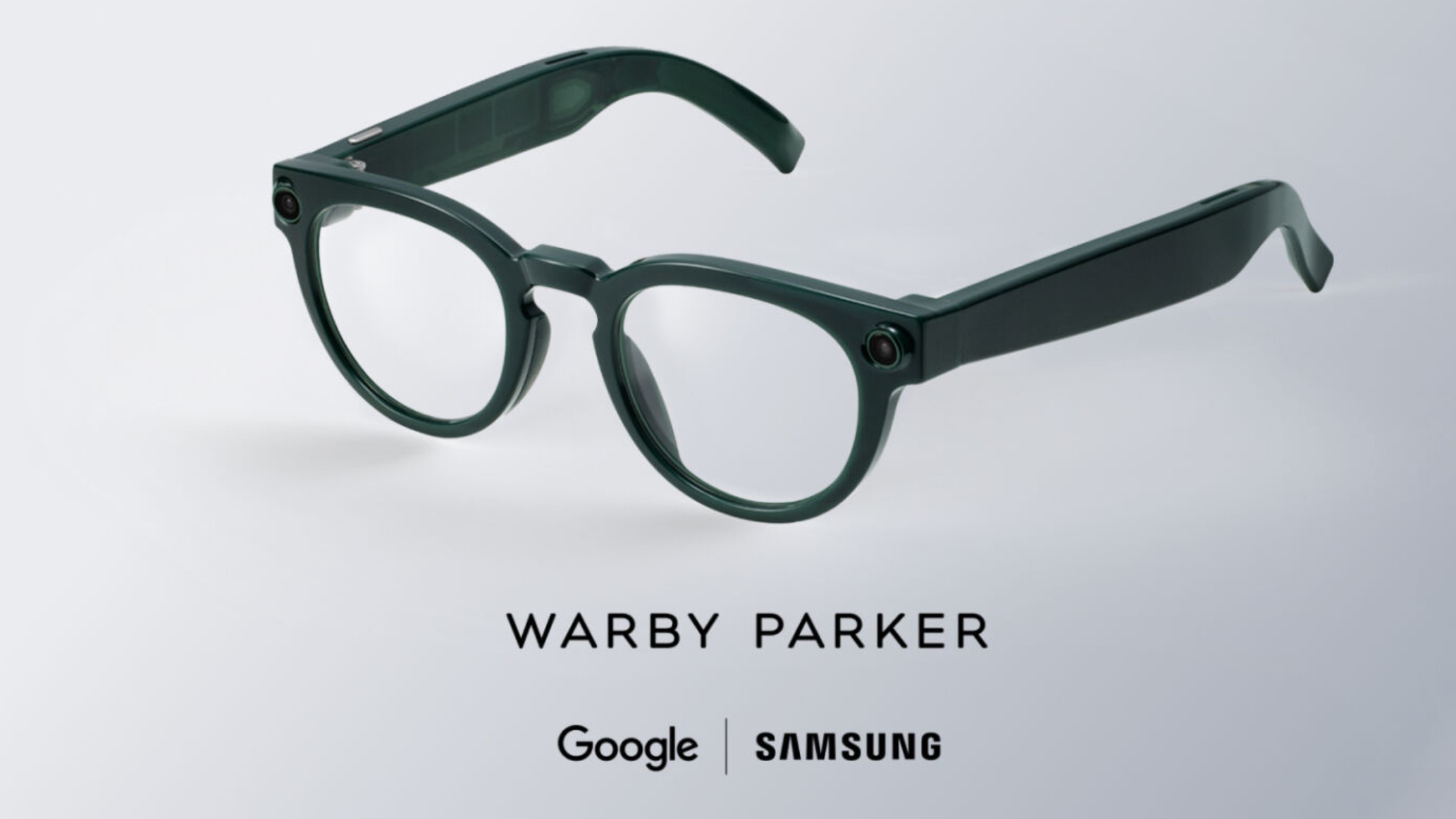
- The Accidental Disclosure: Direct-to-consumer optical titan Warby Parker seemingly leaked references to upcoming Google Android XR-powered smart glasses during a routine metadata update and partner ecosystem briefing.
- The Strategic Shift: Google is pivoting away from standalone, consumer-niche headsets toward a unified Android XR operating system, licensing software to hardware stalwarts like Samsung, Warby Parker, and legacy manufacturers.
- Capital Allocation & Valuation Multiples: Wall Street analysts are re-evaluating enterprise ROI and market liquidity for optical retailers as wearable tech transitions from a novelty to a high-margin computing infrastructure play.
- Competitive Friction: This premature disclosure accelerates the high-stakes battle against Apple’s VisionOS and Meta’s Ray-Ban ecosystem, forcing accelerated product roadmaps across the tech and luxury retail sectors.
For months, Silicon Valley and Wall Street have buzzed with quiet speculation regarding Mountain View’s next play in the spatial computing and wearable hardware market. Yet, the definitive confirmation of Google’s strategic trajectory did not emerge from an official press release or an orchestrated keynote presentation at Google I/O. Instead, it surfaced through what appears to be a premature digital footprint left by direct-to-consumer eyewear pioneer Warby Parker.
In what investigative technology journalists are calling one of the most consequential leaks of the hardware cycle, digital asset disclosures and partner documentation ecosystem strings indicate that Warby Parker is deeply embedded in the rollout of Google’s upcoming Android XR smart glasses. This accidental revelation has sent shockwaves through institutional investment circles, forcing a rapid recalibration of valuation multiples for both enterprise tech giants and traditional fashion-retail conglomerates.
The Anatomy of a Leak: Unpacking the Digital Breadcrumbs
Test Our Free AI & Tech Utilities Suite
Calculate LLM API token costs, analyze article dwell-time, or simulate tech DCA returns.
The unfolding narrative began when digital sleuths and software developers dissecting developer SDKs and retail backend metadata uncovered explicit references linking Warby Parker’s frame architecture to Google's proprietary "Android XR" operating system. For an industry accustomed to secretive co-development agreements shielded by stringent non-disclosure pacts, this slip-up provides a rare, transparent window into the mechanics of modern consumer hardware partnerships.
Google’s historical struggles in the wearable space—most notably the consumer-facing setbacks of Google Glass a decade ago—taught executives a hard lesson in market liquidity, social friction, and infrastructure scalability. Rather than attempting to manufacture and market an entirely proprietary form factor from scratch, Google is executing a classic platform play. By developing Android XR as an overarching software standard, Google is positioning itself as the foundational cloud compute architecture and operating system for established eyewear designers who understand consumer aesthetics.
Enter Warby Parker. With its vertically integrated retail footprint, sophisticated direct-to-consumer distribution models, and massive base of brand-loyal consumers, the company represents the ideal vehicle to normalize facial computing. While tech companies have historically struggled to manufacture frames that consumers actually want to wear on a daily basis, fashion-forward optical brands possess the innate design credibility required to drive mass adoption.
Decoding Android XR: Infrastructure Scalability and Enterprise ROI
To understand why Wall Street is reacting so violently to this leak, one must look beyond the novelty of connected eyewear and examine the underlying cloud compute architecture and revenue models. Android XR is not merely an interface; it is a comprehensive ecosystem designed to bridge artificial intelligence, computer vision, and ambient computing.
Financial analysts reviewing enterprise technology spending note that spatial computing integration is rapidly shifting from a speculative R&D expense to a core operational requirement. For enterprise clients, the deployment of Android XR-powered smart glasses promises substantial risk mitigation and operational efficiency gains—ranging from remote engineering diagnostics to real-time data overlays on manufacturing floors.
| Metric / Parameter | Legacy Wearable Iterations | New Android XR Paradigm (Warby Parker / Google) |
|---|---|---|
| Operating System | Fragmented, proprietary custom forks | Unified Android XR (Ecosystem Scalability) |
| Hardware Strategy | In-house tech-first manufacturing | Fashion-forward brand partnerships (e.g., Warby Parker) |
| Primary Value Proposition | Novelty consumer gadgets, isolated use-cases | Ambient AI integration & enterprise workflow efficiency |
| Monetization Model | Hardware margin dependent | Software licensing, cloud services, and recurring retail margin |
The strategic brilliance of Google’s approach lies in capital allocation efficiency. By outsourcing physical manufacturing, supply chain logistics, and retail presentation to trusted partners like Warby Parker, Google minimizes direct capital expenditure while maximizing software distribution density. Simultaneously, Warby Parker protects its valuation multiples by expanding its total addressable market (TAM) from traditional prescription and sunwear into high-margin intelligent optical technology.
Market Implications: Winners, Losers, and Competitive Crosscurrents
The unintended disclosure fundamentally alters the competitive landscape across both Big Tech and specialty retail:
- The Winners: Google solidifies its counter-offensive against Apple’s spatial computing monopoly and Meta’s near-term dominance in AI-enabled audio glasses. Warby Parker gains first-mover advantage among independent optical retailers, positioning itself as a tech-forward disruptor capable of commanding premium pricing power.
- The Losers: Independent eyewear brands failing to secure platform partnerships risk marginalization as consumer expectations shift toward connected frames. Furthermore, hardware competitors lacking a robust software operating system face mounting hurdles in matching the cross-device continuity promised by Android XR.
- Regulatory & Compliance Watchpoints: As ambient computing devices equipped with advanced cameras and sensors permeate public spaces, regulatory compliance regarding data privacy, biometric tracking, and enterprise data security will face intense legislative scrutiny on both sides of the Atlantic.
Frequently Asked Questions (People Also Ask)
What is Google Android XR, and why is it significant?
Android XR is Google’s dedicated operating system engineered specifically for spatial computing, augmented reality, and smart glasses. Its significance lies in standardization: rather than requiring developers to build custom software for isolated hardware, Android XR provides a unified development framework analogous to what traditional Android did for the smartphone revolution.
How does Warby Parker benefit from partnering with Google?
By integrating advanced Android XR technology into its designer frames, Warby Parker transcends traditional retail boundaries. The partnership allows the company to capture higher-margin technology sales, attract younger, tech-savvy demographics, and diversify its revenue streams beyond standard optical prescriptions and fashion frames.
When are these Android XR smart glasses expected to officially launch?
While neither Google nor Warby Parker has officially confirmed an exact commercial release date following the leak, industry insiders and supply chain checks indicate that initial developer hardware and limited consumer rollouts could materialize as early as late next year, aligning with broader ecosystem readiness.
How does this impact the competitive dynamic with Apple and Meta?
This partnership creates a formidable tripartite battle in the wearable tech arena. While Meta focuses on lightweight audio-first glasses and Apple targets premium, high-cost spatial headsets, the Google-Warby Parker alliance aims directly at the sweet spot: stylish, everyday prescription glasses powered by deep ambient artificial intelligence.
Future Outlook: Milestones and Strategic Watchpoints for Investors
As the dust settles from this premature disclosure, executive leadership teams across the technology and optical sectors are frantically adjusting their forward-looking models. The incident underscores a broader truth of the modern digital economy: in an era of hyper-connected supply chains and cloud-based development repositories, absolute operational secrecy is virtually impossible to maintain.
For institutional investors and market observers, attention now turns to upcoming earnings calls, developer conferences, and regulatory filings for official validation of the partnership scope. Key milestones to monitor over the next twelve months include:
- Official developer conference keynotes detailing Android XR hardware partner tiers and software development kits (SDKs).
- Capital expenditure announcements regarding cloud infrastructure scaling to support real-time spatial computing demands.
- Early consumer reception metrics and retail inventory allocations across pilot Warby Parker flagships.
Ultimately, Warby Parker’s slip-up has done more than just spoil a marketing surprise—it has pulled back the curtain on the next definitive era of computing, proving that the future of technology will not be worn on our wrists or carried in our hands, but rather worn comfortably across our faces.