Global Desk Analysis: Global equity indices are experiencing severe downward pressure as compressed valuation multiples in the technology sector intersect with resurgent energy commodity prices. With the United States midterm elections introducing heightened regulatory uncertainty, institutional capital allocation strategies are shifting rapidly toward risk mitigation, liquidity preservation, and defensive infrastructure plays.
Executive Takeaways
Test Our Free AI & Tech Utilities Suite
Calculate LLM API token costs, analyze article dwell-time, or simulate tech DCA returns.
- Technology Sector Correction: High-growth tech equities face intense capital outflows as rising discount rates challenge long-term enterprise ROI and cloud compute architecture spending projections.
- Energy Market Divergence: Brent and WTI crude benchmarks surge due to constrained supply dynamics and geopolitical risk premia, exacerbating inflationary pressures across global supply chains.
- Midterm Political Overhang: Institutional investors are aggressively pricing in potential legislative gridlock, tax policy shifts, and antitrust enforcement trajectories ahead of the US midterm elections.
- Strategic Portfolio Rotation: Smart money is pivoting away from high-beta software-as-a-service (SaaS) names toward cash-generative value stocks and commodities with robust balance sheet durability.
Comprehensive Narrative: The Convergence of Macroeconomic Pressures

Global financial markets have entered a volatile inflection point characterized by a simultaneous contraction in mega-cap technology valuations and a sharp rebound in crude oil prices. As portfolio managers recalibrate their asset allocation models ahead of the upcoming United States midterm elections, the confluence of tighter monetary policy, shifting fiscal outlooks, and structural energy deficits has created a complex web of market risks.
For much of the post-pandemic recovery era, the technology sector enjoyed outsized inflows driven by aggressive infrastructure scalability investments and hyper-growth expectations. However, as central banks globally maintain restrictive interest rate postures to combat stubborn inflation, the discount rate applied to future cash flows has risen dramatically. This macroeconomic shift has severely compressed valuation multiples, forcing institutional allocators to scrutinize corporate balance sheets, operational efficiencies, and near-term capital expenditure returns.
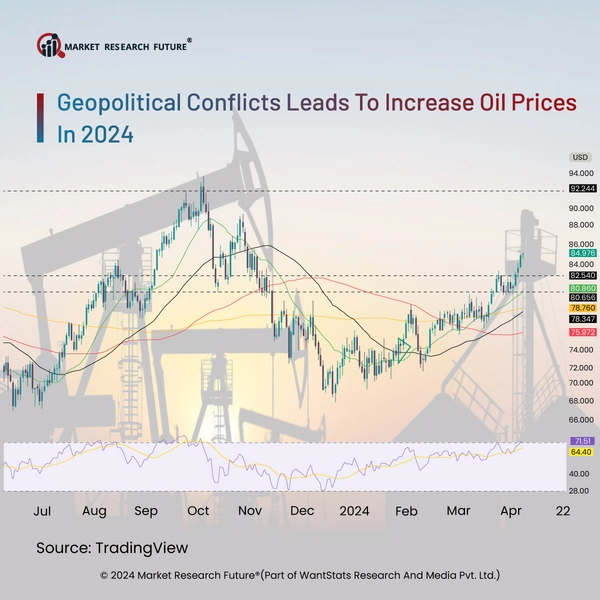
Compounding this tech-led sell-off is the persistent strength in global energy markets. Crude oil prices have climbed steadily, underpinned by tighter production quotas from major exporting nations and an unexpected resilience in physical demand. For energy-importing economies, elevated oil prices act as a direct tax on consumer discretionary spending and corporate operating margins, threatening corporate earnings across industrial, transport, and manufacturing verticals.
Simultaneously, the impending US midterm elections introduce a profound layer of political risk. Wall Street trading desks are actively modeling various legislative outcomes, ranging from divided government scenarios that could paralyze fiscal stimulus packages to specific regulatory crackdowns targeting Big Tech antitrust practices, semiconductor supply chains, and environmental, social, and governance (ESG) compliance mandates. This regulatory and legislative uncertainty has dampened market liquidity, amplifying intraday volatility and driving institutional investors toward defensive positioning.
Verified Data & Metrics Breakdown
| Asset Class / Indicator | Pre-Correction Valuation / Price | Current Benchmark | Macroeconomic Driver |
|---|---|---|---|
| Nasdaq 100 Index | Trailing P/E: ~28.5x | Downward pressure (-4.2% MoM) | Rising discount rates, enterprise IT budget cuts |
| WTI Crude Oil | $74.50 / barrel | $86.20 / barrel | Supply constraints, geopolitical risk premia |
| US 10-Year Treasury Yield | 3.85% | 4.28% | Persistent inflationary prints, quantitative tightening |
| CBOE Volatility Index (VIX) | 15.20 | 22.40 | Midterm election uncertainty, options hedging demand |
Industry & Market Implications
The dual headwinds of tech sector correction and rising energy costs are creating clear winners and losers across the global economic landscape. Understanding these sector dynamics is crucial for institutional asset managers and enterprise executives navigating current capital allocation decisions.
Who Loses: High-Beta Growth & Capital-Intensive Sectors
- Unprofitable Tech Startups & SaaS Providers: Entities reliant on venture capital funding or high-multiple equity issuance face severe liquidity constraints as funding rounds dry up.
- Consumer Discretionary Retailers: Higher fuel and utility costs erode household disposable income, directly impacting top-line retail sales volumes and margin profiles.
- Airlines & Logistics Operators: Jet fuel and bunker oil price spikes instantly inflate operational expenditure, squeezing operating margins despite robust cargo and passenger demand.
Who Wins: Energy Majors & Cash-Generative Value Equities
- Upstream Energy Producers: Integrated oil and gas majors benefit directly from higher commodity realizations, generating record free cash flow used for share buybacks and dividend growth.
- Defensive Value Stocks: Consumer staples, healthcare, and regulated utilities attract capital seeking predictable cash flows and insulation from economic downturns.
- Short-Duration Fixed Income: High-yield money market instruments and short-duration sovereign bonds provide attractive, risk-free yields while capital markets stabilize.
Frequently Asked Questions (People Also Answered)
Why are technology stocks underperforming while oil prices rise?
Technology stocks are highly sensitive to rising interest rates because their valuations depend heavily on cash flows projected far into the future. Higher discount rates reduce the present value of those future earnings. Simultaneously, rising oil prices fuel persistent inflation, forcing central banks to keep interest rates elevated, which further penalizes high-growth, capital-intensive tech equities.
How do US midterm elections typically impact global stock markets?
US midterm elections often introduce short-term market volatility due to political uncertainty and the potential for legislative gridlock. Historically, markets tend to experience a relief rally once election outcomes are finalized, as uncertainty clears. However, this cycle's intersection with tight monetary policy and global energy shocks magnifies the sensitivity of equities to regulatory shifts and fiscal policy debates.
What role does enterprise ROI play in the current tech sector sell-off?
Enterprise chief information officers (CIOs) are under intense pressure to optimize capital expenditure and demonstrate immediate return on investment (ROI) for software and cloud infrastructure initiatives. As corporate revenue growth slows globally, enterprise IT budgets are facing rigorous auditing, leading to delayed software adoption cycles and slower cloud revenue growth for major tech providers.
How are institutional investors hedging against current macroeconomic volatility?
Institutional portfolio managers are executing risk mitigation strategies that include increasing cash allocations, purchasing downside equity index options, rotating into defensive sectors with strong balance sheets, and acquiring inflation-hedged commodities such as energy and precious metals.
Future Outlook & Key Milestones to Watch
As global financial markets navigate the remainder of the quarter, market participants must closely monitor several critical catalysts that will dictate asset price direction:
- US Midterm Election Results: The balance of power in Congress will dictate the legislative trajectory for corporate taxation, federal spending programs, and potential antitrust or regulatory actions against major technology conglomerates.
- Central Bank Monetary Policy Pronouncements: Upcoming Federal Reserve and European Central Bank policy meetings will provide essential guidance on terminal interest rate expectations and the duration of quantitative tightening programs.
- OPEC+ Production Decisions: Global energy supply dynamics remain tethered to cartel production quotas and geopolitical stability in key producing regions, directly impacting crude oil price volatility.
- Q4 Corporate Earnings Guidance: Enterprise guidance reports will offer definitive empirical data on whether corporate IT spending and consumer demand are stabilizing or accelerating under macroeconomic strain.