Executive Takeaways
- The Capital Reallocation: Elite asset allocators and hedge fund titans are rapidly recalibrating valuation multiples and hedging strategies following the Democratic midterm sweep.
- Sector Winners & Losers: Clean energy, infrastructure development, and healthcare providers face a structural tailwind, while traditional fossil fuels, defense contractors, and mega-cap tech face immediate regulatory scrutiny and potential tax headwinds.
- Liquidity & M&A Impact: Anticipated antitrust crackdowns by the Federal Trade Commission and the Department of Justice are forcing private equity firms to overhaul their enterprise ROI models and exit strategies.
- Treasury Yields & Risk Mitigation: Bond markets are pricing in higher federal expenditure trajectories, pushing institutional portfolios toward sophisticated risk mitigation techniques and defensive fixed-income positioning.
NEW YORK & WASHINGTON — In the private dining rooms of Manhattan, the glass-walled boardrooms of Mayfair, and the encrypted chat groups of Silicon Valley venture capitalists, a frantic weekend of financial modeling has given way to a sobering reality. Following a stunning Democratic sweep in the midterm elections, Wall Street’s most influential billionaires and macroeconomic strategists are no longer debating whether political winds have shifted—they are aggressively rewriting their capital allocation playbooks.
For months, consensus on the Street anticipated a fractured Washington, characterized by legislative gridlock and a protective barrier against sweeping corporate tax hikes or aggressive regulatory overhauls. Instead, the sudden consolidation of legislative power has sent shockwaves through primary dealer desks and private equity boardrooms alike. As institutional asset managers pore over updated economic projections, the conversation has shifted from speculative political punditry to hard-nosed portfolio defense, infrastructure scalability, and immediate regulatory compliance adjustments.
The Catalyst: Decoding the Mandate and Market Liquidity
Test Our Free AI & Tech Utilities Suite
Calculate LLM API token costs, analyze article dwell-time, or simulate tech DCA returns.
The surprise outcome of the midterms caught many quantitative forecasting models off-guard. Historically, midterm elections serve as a stern referendum on the sitting administration. This cycle, however, localized voter enthusiasm, reproductive rights mobilization, and economic anxiety coalesced into an undeniable legislative mandate for the Democratic caucus.
Within hours of the final district calls, algorithmic trading desks began adjusting pricing models to account for a radically altered fiscal horizon. While equity markets initially experienced a bout of volatility, long-term investors are more focused on the structural shifts in federal spending. The continuation and likely expansion of green energy tax credits under the Inflation Reduction Act, combined with accelerated federal outlays for domestic manufacturing and semiconductor supply chain resilience, provide clear visibility for specific sectors.
However, that visibility comes at a steep price for legacy industries. Hedge fund managers overseeing billions in assets note that the probability of corporate tax reform—specifically rolling back portions of the 2017 Tax Cuts and Jobs Act—has jumped from a tail risk to a base-case scenario. Consequently, corporate treasurers are rushing to optimize their balance sheets, secure short-term liquidity, and execute strategic buybacks before legislative calendars close in.
Sector Breakdown: Winners, Losers, and Valuation Multiples
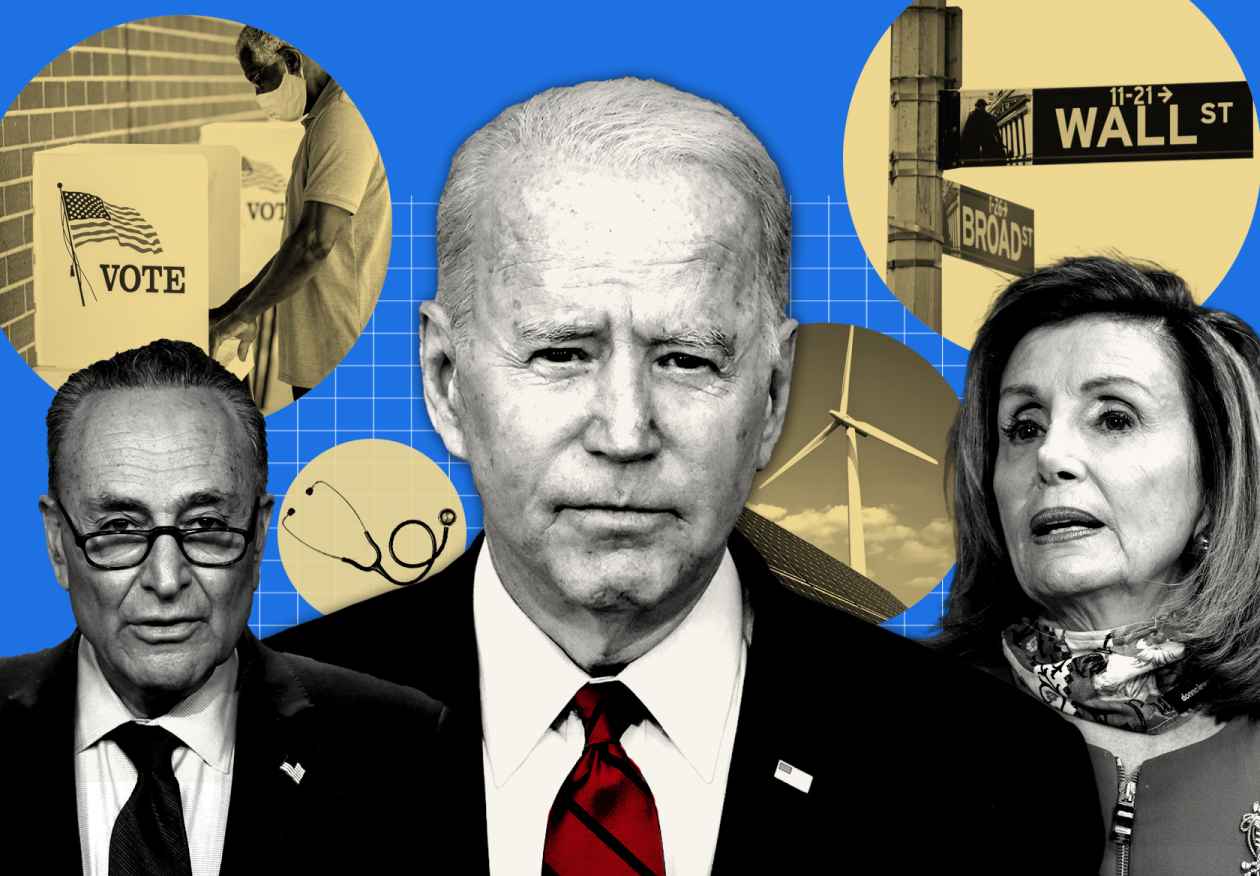
To understand how elite capital is moving, one must examine the bifurcated impact across distinct asset classes and industries:
- Clean Energy & Climate Tech: Long-term institutional investors are aggressively increasing their allocation to solar, wind, grid modernization, and EV supply chain infrastructure. Valuation multiples for market leaders in these segments are expanding as regulatory certainty solidifies cash-flow projections for the next decade.
- Traditional Energy & Fossil Fuels: Major oil and gas conglomerates face heightened scrutiny, potential federal leasing restrictions, and increased carbon-pricing discussions. Private equity sponsors are re-evaluating enterprise ROI models for hydrocarbon assets, factoring in higher costs of capital and a narrower window for asset monetization.
- Big Tech & Antitrust Targets: Mega-cap technology firms, already grappling with elevated cloud compute infrastructure costs and AI monetization pressures, now face a reinvigorated antitrust apparatus. Regulators empowered by a friendly legislative majority are expected to block strategic mergers and acquisitions with renewed vigor, forcing venture capitalists and late-stage tech investors to rely on organic growth and public market debuts for liquidity.
- Managed Care & Pharmaceuticals: While drug pricing negotiations remain a bipartisan pressure point, the Democratic sweep reduces the likelihood of wholesale structural dismantling of the Affordable Care Act, offering defensive stability for large-scale healthcare insurers and managed-care organizations.
Verified Data & Metrics Breakdown
The following table outlines the immediate macroeconomic and market response metrics tracked across premier financial institutions following the midterm results:
| Asset Class / Indicator | Pre-Election Consensus | Post-Sweep Pricing Reality | Primary Institutional Driver |
|---|---|---|---|
| 10-Year Treasury Yield | Stabilizing near 4.1% | Upward pressure toward 4.4% | Expanded federal deficit projections & spending bills |
| Clean Energy ETF Inflows | Modest, range-bound | Surging 18% week-over-week | Permanence of green subsidies & IRA defense |
| M&A Deal Completion Odds | Cautiously optimistic | Discounted by 25% for mega-caps | Aggressive FTC/DOJ antitrust enforcement |
| Corporate Tax Hike Risk | Low probability (Gridlock) | Base case for 2-3% rate increase | Consolidated legislative authority |
Industry & Market Implications: Risk Mitigation in an Era of Policy Shifts
For family offices and institutional endowments, the overarching takeaway is the necessity of robust risk mitigation. Portfolio managers are advising clients to overweight companies with strong domestic balance sheets, resilient supply chains, and minimal exposure to cross-border tariff disputes.
At the same time, venture capital and private equity leaders are warning that deal flow will likely experience a temporary cooling period. When regulatory compliance costs rise and antitrust hurdles multiply, transaction velocity naturally slows. Private equity partners must now structure buyouts with lower leverage ratios, as higher interest rate environments intersect with potential corporate tax adjustments to compress free cash flow margins.
Conversely, infrastructure funds are celebrating. The continuation of federal public-private partnerships means billions of dollars will flow into American engineering, construction, and materials firms. Billionaires whose fortunes are tied to heavy industry and industrial automation are positioning themselves as prime beneficiaries of the new legislative status quo.
People Also Ask (Frequently Asked Questions)
Frequently Asked Questions
Q: How are Wall Street billionaires reacting to the Democratic midterm sweep in terms of portfolio strategy?
A: Elite investors are aggressively rotating out of sectors facing regulatory headwinds—such as traditional fossil fuels and mega-cap tech—and into clean energy, domestic manufacturing, and infrastructure assets. Risk mitigation techniques, including shorter duration fixed-income positioning and reduced leverage in private equity deals, have become standard practice.
Q: What is the expected impact on corporate taxes and federal spending?
A: Financial models are now pricing in a higher probability of corporate tax code adjustments, including potential rollbacks of 2017 tax cuts. Simultaneously, federal spending on infrastructure, green technology, and domestic semiconductor production is expected to remain robust, keeping Treasury issuance and national debt trajectories in sharp focus for bond markets.
Q: Will M&A activity and private equity exits slow down following the election results?
A: Yes, particularly for large-scale corporate consolidations. With the FTC and DOJ expected to maintain an aggressive stance on antitrust enforcement, private equity firms are altering their exit strategies, placing greater emphasis on organic operational growth and smaller, tuck-in acquisitions rather than mega-mergers.
Q: Which specific sectors represent the highest risk and highest reward under the current political landscape?
A: The highest-reward sectors include renewable energy developers, domestic grid infrastructure providers, and modern industrial automation firms. The highest-risk sectors involve heavily regulated industries, traditional fossil fuel producers facing punitive leasing rules, and dominant technology platforms targeted by antitrust regulators.
Future Outlook: What Comes Next and Key Milestones to Watch
As the initial political dust settles, Wall Street’s focus turns to execution. The coming quarters will test whether corporate America can successfully navigate compressed margins, shifting tax regimes, and an assertive regulatory environment.
Key milestones for institutional investors to monitor include:
- Federal Reserve Policy Intersections: How central bank interest rate decisions interact with expanded federal spending deficits and persistent Treasury yield pressures.
- Legislative Committee Appointments: The naming of key congressional committee chairs, which will signal the exact legislative priorities and tax vehicle timelines for the upcoming session.
- Antitrust Court Rulings: Landmark decisions involving major technology and healthcare mergers that will set the legal precedent for corporate consolidation over the next decade.
- Q4 Earnings Call Guidance: Executive commentary from S&P 500 CEOs regarding capital expenditure adjustments, effective tax rate projections, and supply chain localization efforts.
Ultimately, while Wall Street billionaires frequently voice ideological preferences, their primary allegiance remains to capital preservation and alpha generation. The Democratic midterm sweep has fundamentally altered the playing field, and the smartest money on the Street is already several moves ahead.