
Executive Takeaways
- Strategic Intervention: The U.S. Treasury's recent debt buyback initiative represents a calculated shift in liquidity management, aimed at smoothing out dysfunctional segments of the $27 trillion U.S. Treasury market.
- Central Bank Friction: The maneuver highlights growing friction between monetary policy tightening and fiscal debt-management operations, raising fresh questions about sovereign risk mitigation and market liquidity.
- Capital Allocation Shifts: Institutional investors and enterprise portfolio managers are forced to re-evaluate duration risk, valuation multiples, and hedging strategies as advanced economies increasingly intervene to limit spiking government bond yields.
- Structural Volatility: Rather than a temporary fix, the buybacks point to a deeper structural reality: chronic federal deficits require continuous, active plumbing management to prevent severe market disruptions.
For decades, the mechanics of U.S. Treasury debt issuance operated with a predictable, almost mechanical rhythm. Auctions were announced, primary dealers bid, and secondary market liquidity absorbed the supply. However, the modern macro-financial landscape—defined by persistent geopolitical fragmentation, massive structural deficits, and quantitative tightening—has rendered traditional market plumbing increasingly brittle. Against this volatile backdrop, the U.S. Treasury’s strategic execution of debt buybacks has sent shockwaves through global fixed-income desks, forcing Chief Investment Officers and risk architects to rethink their foundational assumptions regarding sovereign risk.
As highlighted in recent analyses from the Council on Foreign Relations, advanced economies are finding themselves cornered into taking aggressive, non-standard actions to limit rising government bond yields. When the Treasury announced its systematic buyback program—nominally designed to improve market liquidity and cash management efficiency—sophisticated market participants immediately recognized a deeper subtext: the world's most critical financial market requires active, state-sponsored intervention to prevent periodic liquidity vacuums from cascading into broader systemic crises.
The Catalytic Shift: Anatomy of a Treasury Intervention
To understand the profound implications of the Treasury’s buyback surprise, one must examine the structural strains building beneath the surface of the U.S. sovereign debt market. Over the past several years, the sheer volume of debt issuance required to finance expanding federal deficits has outstripped the balance sheet capacity of primary dealers. This supply-demand imbalance has manifested in episodes of acute market illiquidity, characterized by wide bid-ask spreads, erratic pricing, and "flash rally" anomalies during major auction cycles.
The buyback program serves a dual purpose: liquidity support and cash management. By repurchasing older, less liquid "off-the-run" securities and replacing them with standardized, highly liquid "on-the-run" issuances, the Treasury effectively lubricates the secondary market. This reduces the friction primary dealers face when recycling inventory. Yet, seasoned market observers note that the timing and scale of these operations often coincide with periods of severe upward pressure on yields. Consequently, critics and quantitative strategists argue that these buybacks function as an implicit yield-cap mechanism, subtly blurring the lines between fiscal debt management and monetary policy execution.
This dynamic complicates the calculus for institutional capital allocation. When central banks and fiscal authorities deploy interventionist tools to cap yields or smooth out volatility, they inadvertently distort traditional price signals. For corporate treasurers and institutional asset managers tasked with optimizing enterprise ROI and managing risk-adjusted returns, navigating a bond market influenced by programmatic state buybacks requires a total overhaul of valuation and hedging models.
Comparative Metrics: The Evolving Treasury Landscape
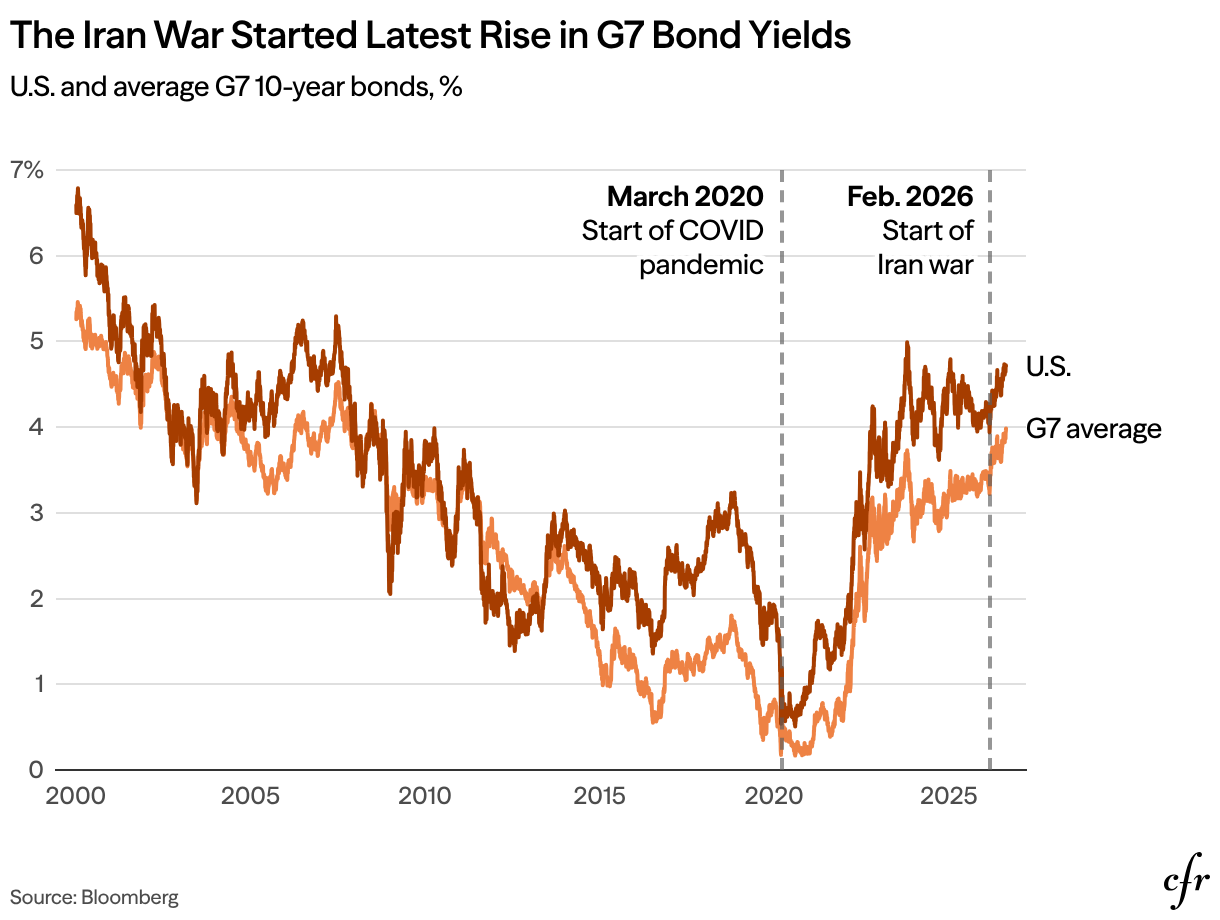
Evaluating the mechanics of the buyback initiative requires examining key structural parameters of the sovereign debt market before and after the implementation of systematic repurchase operations.
| Metric / Parameter | Pre-Buyback Era (Historical Baseline) | Current Buyback Regime | Strategic Market Impact |
|---|---|---|---|
| Primary Objective | Pure deficit financing & ad-hoc debt management | Liquidity enhancement, cash smoothing, and yield stability | Reduces off-the-run friction and market dysfunction |
| Dealer Balance Sheet Strain | High, exacerbated by post-crisis regulatory constraints | Mitigated via regularized, predictable state repurchases | Lowers systemic risk profile for primary dealers |
| Volatility Transmission | Prone to sudden liquidity air-pockets during auctions | Dampened through programmatic supply adjustments | Smoother secondary pricing curves |
| Monetary Policy Alignment | Strictly decoupled from Federal Reserve balance sheet actions | Interdependent; interacts directly with quantitative tightening | Blurs lines between fiscal support and monetary easing |
Industry & Market Implications: Who Wins and Who Loses
The structural shift toward active intervention creates distinct winners and losers across the global financial ecosystem. Understanding these dynamics is essential for senior executives navigating capital markets.
- Primary Dealers and Major Banking Institutions (Winners): Commercial and investment banks that act as primary dealers benefit directly from the buyback program. By providing a reliable exit mechanism for aged, illiquid inventory, the Treasury reduces the capital charges and balance-sheet encumbrances associated with market-making, safeguarding profitability.
- Long-Term Pension Funds and Insurers (Mixed Impact): While improved market liquidity makes it easier to execute large block trades, the dampening of yield volatility can compress the long-term risk premium. Institutions matching long-duration liabilities must adapt to a regime where sovereign yields are managed more tightly by state actions.
- Global Central Banks and Foreign Reserves Managers (Strategic Challengers): Foreign holders of U.S. debt are forced to re-assess the risk-reward profile of holding dollar-denominated sovereign assets. When a sovereign issuer actively intervenes in its own secondary market to manage yields and liquidity, foreign central banks must factor potential fiscal backstops into their reserve adequacy models.
- Corporate Borrowers and Capital Markets (Indirect Beneficiaries): Because corporate bond pricing is pegged directly to the U.S. Treasury curve, a stabilized sovereign market reduces extreme basis risk. This allows enterprise CFOs to execute debt issuances and capital allocation plans with greater predictability, avoiding the sudden cost-of-capital spikes witnessed during periods of acute Treasury illiquidity.
Frequently Asked Questions (People Also Ask)
Why is the U.S. Treasury conducting debt buybacks now?
The Treasury’s systematic buyback program was designed to achieve two primary goals: cash management efficiency and liquidity support for off-the-run securities. With massive federal borrowing requirements straining the balance sheet capacity of primary dealers, buybacks help smooth out market plumbing, reduce secondary market friction, and prevent liquidity crunches during volatile auction cycles.
How do Treasury buybacks impact government bond yields?
By repurchasing specific tranches of outstanding debt and altering the aggregate supply dynamics in the secondary market, buybacks can exert downward pressure on yields for those targeted maturities. While framed as technical debt management, market analysts note that these interventions effectively stabilize yield curves during periods of heavy issuance stress.
Is there a conflict between quantitative tightening (QT) and Treasury buybacks?
Yes, potential friction exists. While the Federal Reserve engages in quantitative tightening by letting its balance sheet shrink (removing liquidity from the system), the Treasury’s buyback operations inject cash into the financial system by purchasing debt. Navigating this delicate balance requires careful coordination to ensure monetary policy objectives are not undermined by fiscal debt-management maneuvers.
What does this mean for institutional investors and corporate risk mitigation?
Institutional investors must account for active state intervention when modeling duration risk and valuation multiples. For corporate treasurers, a more stabilized Treasury market reduces extreme volatility in benchmark rates, offering greater certainty for enterprise capital allocation, hedging strategies, and long-term debt issuance planning.
Future Outlook: Milestones to Watch
As advanced economies navigate an era of structural deficits and elevated interest rate regimes, the U.S. Treasury’s buyback mechanism is no longer viewed as an experimental policy tool, but as a permanent fixture of modern sovereign debt management. Looking ahead over the next 12 to 24 months, market participants must monitor several critical milestones:
First, observe the calibration of buyback auction sizes relative to quarterly refunding announcements. Any significant scaling up of repurchase volumes will signal deeper structural strains in primary dealer absorption capacity. Second, track the interaction between Federal Reserve balance sheet normalization and Treasury cash balances at the Fed (the Treasury General Account). As liquidity dynamics shift, the interplay between monetary tightening and fiscal intervention will remain a primary driver of short-term funding markets.
Ultimately, the Treasury's buyback surprise serves as a stark reminder: the world’s most critical benchmark market is undergoing a structural evolution. For institutional investors, risk managers, and corporate leaders, maintaining agility, upgrading analytical infrastructure, and monitoring regulatory compliance in the face of active state intervention will be the defining competitive advantages of the decade.