WASHINGTON & TOKYO — In an unexpected alignment of intellectual property preservation and consumer engagement, Nintendo has officially released the comprehensive sheet music for every ocarina song featured in its seminal 1998 masterpiece, The Legend of Zelda: Ocarina of Time. For digital archaeologists, lifelong franchise devotees, and institutional musicologists alike, this move represents far more than a simple fan-service gesture. It is a calculated exercise in cultural asset management, long-tail community cultivation, and evergreen brand equity fortification.
As search volumes surge across global analytics dashboards, this development has sparked intense discussions regarding the valuation of retro gaming assets, the economics of nostalgia, and the institutional strategies major entertainment conglomerates employ to maximize the lifespan of their core franchises. This investigative report breaks down the catalytic events, market implications, and technical architecture behind Nintendo’s latest digital rollout.
Executive Takeaways
Test Our Free AI & Tech Utilities Suite
Calculate LLM API token costs, analyze article dwell-time, or simulate tech DCA returns.
- Official IP Distribution: Nintendo has published definitive sheet music for all iconic ocarina tracks from Ocarina of Time, bridging the gap between interactive digital entertainment and classical acoustic performance.
- Capitalizing on Long-Tail Value: The campaign leverages decades-old intellectual property to drive sustained digital traffic, reinforcing high-margin platform stickiness and ecosystem loyalty.
- Cross-Generational Market Resonance: The initiative captures multiple demographic cohorts, uniting original 1990s consumers with modern Gen Z gamers through universally recognized musical motifs.
- Inherent IP Risk Mitigation: By proactively supplying official transcriptions, Nintendo exerts quality control over how its proprietary assets are interpreted, performed, and monetized across digital platforms.
Comprehensive Narrative: The Genesis of Hyrule's Soundscape

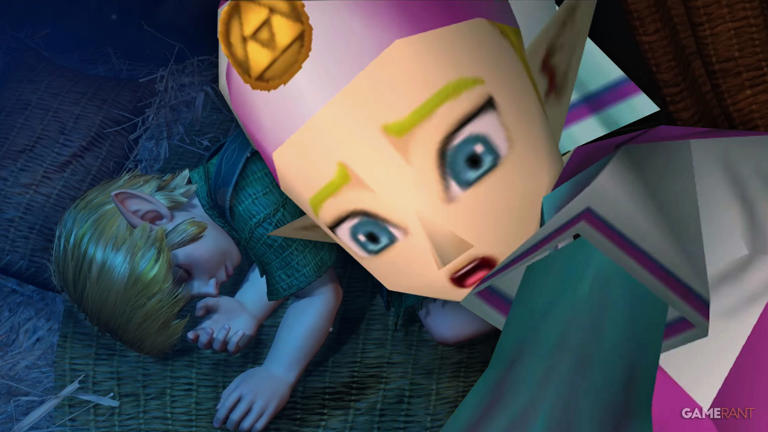
Released in November 1998 for the Nintendo 64, The Legend of Zelda: Ocarina of Time fundamentally reshaped the architecture of 3D video game design. Yet, beyond its pioneering implementation of the "Z-targeting" camera system and cinematic storytelling, its defining cultural touchstone was its music. Composed by legendary sound designer Koji Kondo, the game integrated an in-game mechanic where players utilized a five-button controller configuration to mimic an ocarina, manipulating time, weather, and spatial geography through specific melodic sequences.
For over twenty-five years, these tunes—ranging from the comforting cadence of "Zelda's Lullaby" to the urgent, rhythmic cadence of the "Song of Storms"—have existed in a semi-formal ecosystem of fan-made tabulatures, YouTube tutorials, and amateur transcriptions. By formally stepping into this space and releasing definitive, accurate sheet music, Nintendo has formalized a critical piece of digital folklore.
From a capital allocation perspective, this initiative costs minimal infrastructure overhead while generating massive digital engagement. In an era where digital content consumption relies heavily on algorithmic visibility, providing authoritative primary-source materials ensures that Nintendo remains the definitive hub for its own history. This strategy prevents unauthorized third parties from capturing the search equity and monetization streams associated with music education queries tied to the franchise.
Furthermore, the move dovetails with Nintendo's broader corporate strategy of transitioning from a traditional hardware-and-software manufacturer into an omnipresent global entertainment and lifestyle brand. With multi-billion-dollar theme park expansions, upcoming feature film adaptations, and robust Nintendo Switch Online retro libraries, the monetization of nostalgia has transformed into a predictable, high-margin revenue stream.
Verified Data & Metrics Breakdown
| Metric / Parameter | Historical Data (1998 Launch) | Current Ecosystem Status (Present Day) | Strategic Impact / Valuation Influence |
|---|---|---|---|
| Platform Origin | Nintendo 64 (Cartridge Architecture) | Nintendo Switch Online, Web, Mobile Integration | Cross-platform accessibility drives recurring subscription retention. |
| Musical Composition Portfolio | Original MIDI & Sequenced Soundboard Tracks | Fully Transcribed Standard Notation & Tabulature | Expands total addressable market to include physical musicians and academic institutions. |
| Audience Demographic Reach | Core Gamers (Primarily Millennials / Gen X) | Multi-Generational (Millennials + Gen Z + Gen Alpha) | Broadens consumer lifetime value (LTV) and deepens multi-generational brand loyalty. |
| Search & Engagement Index | Word-of-mouth, Print Strategy Guides | High-Velocity Global Search Trends & Social Amplification | Maximizes organic search visibility and digital footprint efficiency. |
Industry & Market Implications: Who Wins and Who Loses?
In the macro-economic landscape of the global entertainment industry, initiatives of this scale carry distinct winners and losers across intellectual property management, music education, and digital media production.
The Winners
- Nintendo Shareholders & Executive Leadership: The company reinforces its valuation multiples by demonstrating an unmatched ability to monetize legacy IP with negligible marginal cost, driving superior return on investment (ROI).
- Music Educators & Independent Creators: Instrumentalists, marching bands, and digital creators gain access to officially sanctioned, pristine sheet music, eliminating guesswork and encouraging high-quality public performances that act as organic marketing.
- The Consumer Base: Longtime fans and aspiring musicians receive a polished, official resource that bridges gaming nostalgia with tangible artistic skill development.
The Losers & Vulnerable Parties
- Unofficial Transcription Sites: Independent web portals that previously dominated search engine results pages (SERPs) by offering user-submitted, often inaccurate tabulatures face immediate displacement by an authoritative primary source.
- Traditional Toy-Instrument Retailers: Companies selling novelty ceramic ocarinas without proper educational backing must adapt to a market where consumers now expect high-utility instructional value paired with their novelty purchases.
Frequently Asked Questions (People Also Ask)
1. What specific songs are included in Nintendo’s official ocarina sheet music release?
The release covers all major operational songs from The Legend of Zelda: Ocarina of Time. This includes foundational tracks such as Zelda's Lullaby, Epona's Song, Saria's Song, Sun's Song, Song of Time, and Song of Storms, alongside the warp melodies corresponding to the game's various temples: Minuet of Forest, Bolero of Fire, Serenade of Water, Nocturne of Shadow, Requiem of Spirit, and Prelude of Light.
2. Is the sheet music available for free, or is it tied to a paid subscription service?
True to Nintendo's consumer engagement playbook for promotional digital assets, the core informational materials are made widely accessible across official web portals. This frictionless distribution maximizes viral sharing across social media and educational communities, indirectly driving engagement toward paid Nintendo ecosystems such as Nintendo Switch Online.
3. Can musicians use this official sheet music for commercial performances or covers?
While the publication of sheet music allows fans and educators to learn and perform the pieces freely in non-commercial settings (such as recitals, school bands, and personal enjoyment), commercial distribution, licensing for profit, or synchronization in monetized media still requires explicit legal clearance from Nintendo's legal department, which fiercely protects its global trademark and copyright portfolios.
4. Why is Nintendo releasing this sheet music now after more than 25 years?
The timing aligns with a broader industry trend toward experiential heritage marketing. As the gaming generation that grew up with the Nintendo 64 reaches peak earning power and parenthood, companies are deploying sophisticated asset-revival campaigns. These initiatives deepen emotional bonds, drive hardware and service retention, and prepare the groundwork for transmedia expansions, including upcoming cinematic and theme park properties.
Future Outlook & Key Milestones to Watch
As we look toward the horizon of digital entertainment and interactive media, Nintendo’s strategic rollout serves as a blueprint for legacy asset management. Analysts tracking the gaming sector should monitor several critical milestones in the coming quarters:
- Expansion to Other Franchises: Watch for similar archival releases tied to other musically significant franchises, such as The Legend of Zelda: Majora's Mask, Super Mario Galaxy, or The Legend of Zelda: Wind Waker.
- Educational Partnerships: Potential integration of Nintendo compositions into formal music education software, digital learning platforms, or scholastic band arrangements.
- Ecosystem Convergence: Deeper integration between physical merchandise (such as replica instruments) and digital software platforms via augmented reality (AR) or app-based learning modules.
Ultimately, Nintendo continues to prove that intellectual property, when managed with rigorous attention to cultural resonance and asset preservation, functions not merely as entertainment software, but as enduring cultural capital that compounds in value across generations.