Shattered Diplomacy: Iranian Cargo Ship Struck in Vital Sea Lane, Abruptly Halting High-Stakes Middle East Peace Talks
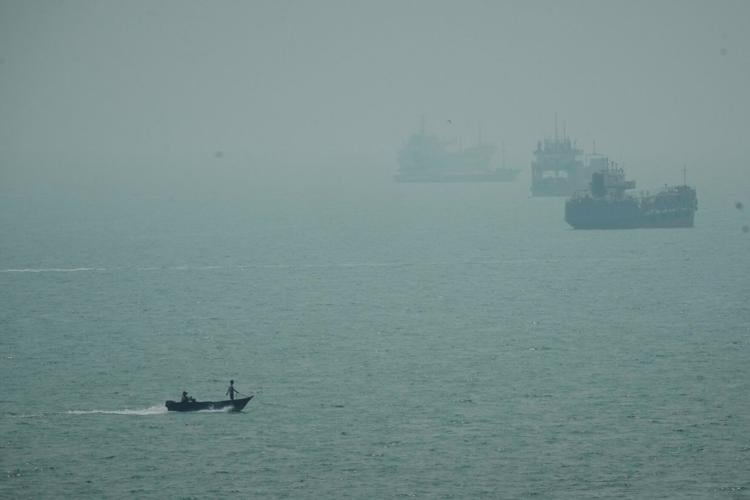
TEHRAN & LONDON — A dangerous convergence of maritime warfare and fragile diplomacy has sent shockwaves through global markets and geopolitical corridors. An Iranian commercial cargo vessel has been struck in a highly volatile shipping lane, triggering the immediate postponement of critical, high-stakes diplomatic talks between Tehran and its regional neighbors.
The strike, confirmed by Iranian state-run media and monitored by international maritime security agencies, represents a severe escalation in the ongoing shadow war plaguing the Middle East's primary trade arteries. Within hours of the incident, diplomatic sources confirmed that the scheduled summit aimed at de-escalating long-standing frictions between Iran and neighboring Gulf states has been shelved indefinitely, throwing months of painstaking backchannel negotiations into disarray.
Executive Summary: The Flashpoint at a Glance
- The Strike: An Iranian-flagged commercial cargo ship sustained damage after being targeted by an unidentified projectile in a key maritime corridor. Tehran has launched an investigation, calling the act "state-sponsored piracy."
- Diplomatic Collapse: Scheduled negotiations between Tehran and its Arab neighbors—intended to establish a framework for regional maritime security and economic cooperation—have been abruptly postponed.
- Market Fallout: Maritime insurance premiums for vessels traversing the Red Sea and Gulf of Oman have surged, threatening to reignite global supply chain inflation.
- Global Context: The escalation comes amidst a highly volatile global landscape, punctuated by shifting Western foreign policies and intense pressure on international trade routes.
The Incident at Sea: Shadows in the Shipping Lanes
According to reports monitored by the Associated Press, the Iranian commercial vessel was transiting critical waters when it was struck. While state-run media has withheld the precise geographic coordinates of the attack to protect ongoing naval movements, maritime intelligence firms suggest the incident occurred near a key strategic chokepoint. The ship reportedly sustained localized damage but managed to remain afloat, avoiding a catastrophic environmental or logistical disaster.
No group or nation has officially claimed responsibility for the strike. However, the methodology closely mirrors previous maritime operations attributed to state actors operating in the region. For years, the waters of the Red Sea, the Gulf of Aden, and the Strait of Hormuz have served as a kinetic chessboard for regional rivals. This latest strike shatters a brief period of relative calm, signaling that commercial shipping remains a primary target for geopolitical leverage.
Diplomatic Freeze: Why the Tehran Talks Were Abruptly Postponed
The physical damage to the Iranian vessel is minor compared to the diplomatic wreckage left in its wake. The incident occurred just as senior envoys from Tehran and neighboring capital cities were preparing to convene for a landmark summit. These talks were viewed by international observers as the most promising avenue in years to establish a sustainable security architecture in the Persian Gulf.
According to diplomats familiar with the matter, the decision to postpone the talks was driven by mutual distrust. Tehran reportedly accused regional actors of failing to secure shipping lanes, while neighboring states expressed reluctance to engage in high-level diplomacy while active kinetic operations are underway. "You cannot negotiate a peace treaty while the water beneath your merchant fleet is burning," a senior regional diplomat told reporters on the condition of anonymity.
The Global Economic and Energy Implications
For global markets, the timing of this escalation could not be worse. The global economy is already grappling with volatile energy prices and fractured supply chains. The postponement of the talks signals that the premium on maritime shipping is likely to remain elevated for the foreseeable future.
The table below outlines the immediate market reactions and projected risks following the maritime strike and the suspension of regional talks:
| Market Indicator | Pre-Incident Status | Immediate Reaction | 90-Day Outlook & Risk Level |
|---|---|---|---|
| Brent Crude Oil | Trading in a stable range | Spiked by 1.8% within hours of the announcement | High Volatility; potential to breach key resistance levels if escalation continues. |
| Maritime Insurance Premiums | Elevated but stable | Immediate 15% surcharge applied to high-risk zones | Very High; costs will be passed down to global consumers, fueling inflation. |
| Red Sea Shipping Volume | Operating at 60% of normal capacity | Increased rerouting around the Cape of Good Hope | Severe bottleneck; prolonged transit times for European and Asian goods. |
A Fractured Geopolitical Landscape
The strike on the Iranian cargo ship does not occur in a vacuum. It coincides with a highly fluid global security environment. Observers note that regional actors are closely watching Washington, where shifting political dynamics are expected to reshape U.S. foreign policy. The broader international landscape remains highly tense, with major powers calling for de-escalation on multiple fronts—ranging from Eastern Europe to the Middle East—yet finding little success in enforcing stability.
This vacuum of global leadership has allowed regional proxy conflicts to fester. With formal diplomatic channels between Iran and its neighbors now temporarily frozen, the risk of miscalculation at sea has risen exponentially. Naval forces from several international coalitions, including the U.S.-led Task Force, remain on high alert, prepared to intercept further attacks on merchant shipping.
What Lies Ahead: The Path to Escalation or De-escalation?
The immediate focus of international observers is whether Tehran will choose to retaliate directly, or if backchannel diplomacy will be deployed to salvage the postponed summit. Analysts warn that a retaliatory strike by Iran or its proxy network could trigger a cascading cycle of violence, effectively closing off key maritime trade routes entirely.
"We are entering a dangerous phase where tactical actions at sea are dictating strategic diplomatic outcomes," said a senior maritime security analyst. "If the diplomatic freeze persists, the shipping lanes will become increasingly hostile, forcing global logistics firms to permanently alter their trade routes at an immense economic cost."
Frequently Asked Questions (FAQ)
1. Why are the shipping lanes around the Arabian Peninsula so critical to global trade?
The waters surrounding the Arabian Peninsula, including the Strait of Hormuz and the Bab al-Mandab Strait, serve as the primary conduits for global energy supplies and East-West trade. Approximately 20% of the world's petroleum passes through the Strait of Hormuz daily, while the Red Sea is the gateway to the Suez Canal, facilitating over 12% of global maritime trade. Any disruption in these areas immediately impacts global energy prices and consumer goods supply chains.
2. Can the postponed diplomatic talks be revived in the near term?
While the talks have been postponed, diplomatic sources indicate that neither side has officially terminated the negotiation framework. Reviving the talks will require a period of de-escalation at sea and credible security guarantees for commercial shipping. Much will depend on whether international mediators, such as European and regional neutral states, can successfully broker a temporary maritime truce to bring all parties back to the negotiating table.