The Macroeconomic Catalyst: Navigating Persistent Fuel Volatility
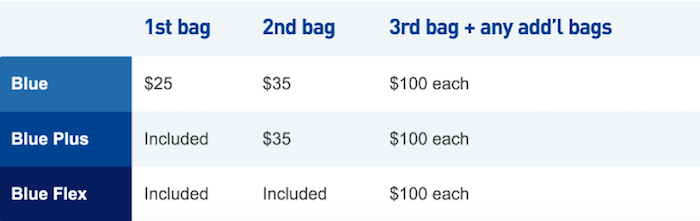
In a decisive move that underscores the severe margin compression rippling through the commercial aviation sector, JetBlue Airways has officially rolled out its second consecutive increase on checked baggage fees. This strategic pricing adjustment arrives as global energy markets continue to grapple with sustained jet fuel price elevations, refinery constraints, and geopolitical risk premiums. For airline executives, managing unit costs per available seat mile (CASM) has transitioned from an operational hurdle into a daily balance sheet defense.
Jet fuel historically represents between 25% and 35% of an airline’s total operating expenses. When crude benchmarks and jet fuel crack spreads decouple from historical averages—driven by surging global travel demand coupled with constrained refining capacity—carriers are forced to reevaluate their pricing architecture. JetBlue's decision to lean heavily into ancillary revenue streams highlights the limitations of traditional fare hikes in an increasingly price-sensitive consumer environment. By isolating bag fees from base ticket prices, the carrier attempts to protect baseline yields while shifting cost burdens directly to high-utilization passengers.
Ancillary Monetization as a Balance Sheet Safeguard
The modern low-cost and hybrid carrier business model relies heavily on ancillary monetization to achieve enterprise ROI. As regulatory compliance costs mount, fleet modernization plans face supply chain bottlenecks, and labor agreements command higher wage scales, airlines must optimize every line item of the P&L statement. Baggage fees represent high-margin, frictionless cash flow streams that bypass certain tax structures and ticket-platform distribution fees.
Financial analysts monitoring airline valuation multiples note that ancillary revenue is increasingly factored into equity research models as a primary indicator of pricing power. When an airline successfully executes multiple fee increases without suffering catastrophic load factor degradation, it signals robust brand loyalty or an inelastic consumer base on specific origin-and-destination (O&D) pairs. However, this strategy carries inherent risk mitigation challenges; pushing ancillary pricing too high too quickly risks alienating cost-conscious leisure travelers, directly impacting passenger yield metrics.
Comparative Metric Analysis: The Evolution of Carrier Pricing Strategies
To contextualize JetBlue’s latest pricing maneuver, industry observers must examine broader sector dynamics. Legacy carriers such as Delta Air Lines, United Airlines, and American Airlines established standard checked bag fee thresholds earlier, creating a protective pricing umbrella that allows low-cost carriers like JetBlue and Southwest Airlines (traditionally known for its "bags fly free" model) to gradually adjust their own schedules upward.
| Carrier Profile | First Checked Bag (Standard) | Second Checked Bag (Standard) | Primary Driver |
|---|---|---|---|
| JetBlue Airways (Current) | Adjusted Upward (Tier 2) | Adjusted Upward (Tier 2) | Jet fuel elevation & margin protection |
| Legacy Big Three (Delta/UA/AA) | $35.00 - $40.00 | $45.00 - $50.00 | Labor costs & premium cabin expansion |
| Ultra-Low-Cost Carriers (ULCCs) | Variable / Dynamic Tiered | Variable / Dynamic Tiered | Core unbundling strategy |
Industry & Market Implications: Winners, Losers, and Systemic Ripple Effects
The secondary escalation of baggage fees is not an isolated corporate decision; it is a symptom of a broader macroeconomic reset within the global aviation ecosystem. Capital allocation priorities across the industry have shifted sharply from aggressive network expansion toward debt reduction, liquidity preservation, and operational resilience.
Who Wins?
- Energy-Hedged Carriers: Airlines that successfully locked in favorable forward jet fuel hedge contracts prior to recent geopolitical spikes insulate themselves from immediate cash burn, gaining a temporary competitive advantage.
- Co-Branded Credit Card Issuers: Financial institutions partnering with airlines benefit immensely from these fee hikes. As individual bag fees rise, the value proposition of holding an airline-affiliated credit card that offers free checked bags increases exponentially, driving higher card acquisition and transaction volume.
- Yield Management Teams: Sophisticated revenue management departments equipped with advanced cloud compute architecture and machine learning algorithms gain enhanced granularity in pricing segmentation.
Who Loses?
- Price-Sensitive Consumers: Infrequent flyers and large family units face compounding travel costs, which may suppress discretionary domestic leisure travel demand.
- Regional Airport Economies: Secondary and tertiary airports dependent on point-to-point low-cost carrier connectivity may experience softening passenger throughput if total trip costs exceed consumer thresholds.
Frequently Asked Questions (People Also Ask)
Why are airlines continuously raising baggage fees despite strong passenger volume?
While passenger volume has largely recovered to pre-pandemic baselines, operational costs have escalated disproportionately. Jet fuel volatility, rising pilot and ground-crew wages resulting from recent collective bargaining agreements, and inflated aircraft maintenance and delivery costs have compressed operating margins. Baggage fees serve as a targeted, non-ticket revenue stream designed to offset these fixed and variable cost pressures without distorting base ticket pricing.
How do jet fuel price elevations directly impact carrier financial performance?
Jet fuel is typically an airline's second-largest expense after labor. When crude oil prices surge or refining margins (crack spreads) widen, an airline's operating expenses increase instantly unless fully mitigated by hedging instruments. Because fuel cannot be easily substituted or conserved beyond basic operational efficiencies, carriers must pass these costs through to the consumer via fare adjustments or ancillary fee hikes.
Can co-branded credit cards completely protect frequent flyers from these fee increases?
Yes, in most cases. Co-branded airline credit cards frequently include a checked bag waiver as a primary cardholder perk. As bag fees increase, the annual fee associated with these credit cards becomes more easily justifiable for moderate-to-frequent travelers, serving as a primary customer acquisition funnel for both airlines and banking partners.
Future Outlook: Strategic Milestones and Sector Trajectory
Looking ahead, market analysts will closely monitor JetBlue’s upcoming quarterly earnings reports to gauge the precise financial yield generated by this second fee escalation. Key performance indicators to watch include unit revenue per available seat mile (RASM), passenger load factors, and co-branded credit card sign-up velocities.
If fuel price volatility persists through the upcoming fiscal cycles, expect other domestic and international carriers to follow suit, further standardizing higher ancillary price floors across the global aviation market. Ultimately, the ability of airline executives to balance margin protection with customer retention will dictate valuation multiples and investor confidence in the sector for the foreseeable future.