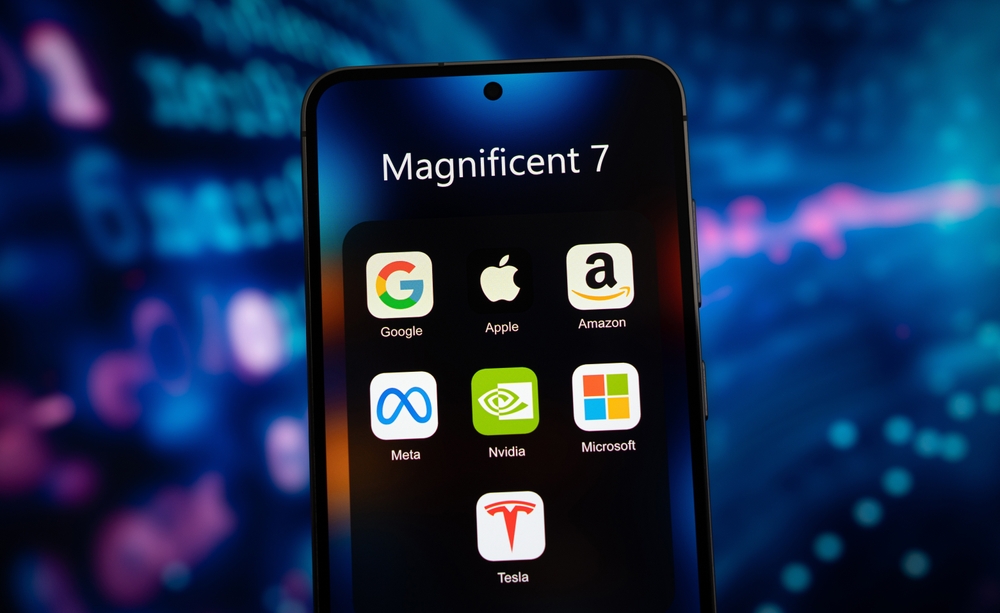
NEW YORK — Wall Street is rewriting the history books. Just months after a brutal, white-knuckle early 2026 selloff that sent shudders through global financial markets and left institutional investors questioning the longevity of the artificial intelligence boom, the market’s undisputed heavyweights have delivered a staggering redemption arc. The "Magnificent Seven" have officially blasted past all-time closing highs, cementing a historic market reversal that has caught bears flat-footed and injected billions back into retirement portfolios worldwide.
The triumphant surge, confirmed in market data and reporting from primary wire services, marks a breathtaking psychological and financial milestone. At the start of the year, headlines were dominated by panic, margin compression fears, and intense regulatory headwinds. Today, the narrative has flipped entirely. Big Tech has once again proven its unmatched ability to generate monstrous cash flows, dominate global infrastructure, and pivot faster than any sector in economic history.
The Great 2026 Whiplash: From Panic to Peak
To understand the magnitude of this record-shattering rally, one must look backward. The opening months of 2026 served up a harsh reality check for growth investors. Puffed-up valuations, sticky inflation prints, and a sudden rotation into defensive value sectors triggered a sharp, punishing correction. Skeptics boldly declared the AI trade dead, warning that capital expenditures were spiraling out of control with little return in sight.
Yet, true to form, the elite tech cohort dug in. Second-quarter earnings reports shattered Wall Street consensus. Cloud growth accelerated, enterprise AI monetization shifted from pilot programs to mission-critical corporate infrastructure, and aggressive cost-discipline restored profit margins to pristine levels. The resulting wave of institutional buying didn't just recover previous losses—it obliterated them.
- The Phoenix Rise: After enduring a punishing drawdown in early 2026, the index of top seven tech giants surged past previous historic peaks in a matter of weeks.
- Earnings Resilience: Q2 and Q3 financial reports proved that revenue growth is not only intact but accelerating across cloud, hardware, and digital advertising.
- Liquidity Influx: Institutional capital sidelined during the early-year correction rushed back into mega-cap equities, sparking a violent upward momentum squeeze.
- Global Dominance: Despite tightening antitrust scrutiny globally, these seven titans continue to capture an unprecedented share of worldwide corporate profits.
Inside the Numbers: The Titans Driving the Charge

While the group moves as a synchronized monolith, the underlying drivers vary. Semiconductor supremacy, hyper-scale cloud expansion, and dominant consumer ecosystems remain the primary pillars of this multi-trillion-dollar valuation expansion. Market strategists point out that the breadth of this rally is fundamentally different from previous speculative bubbles; these companies are backed by fortress balance sheets holding tens of billions in unencumbered cash.
| Company | Primary Growth Catalyst | Market Status (Sept 2026) |
|---|---|---|
| Nvidia & Microsoft | Next-generation AI architecture & enterprise cloud integration | Trading at New Record Highs |
| Apple & Alphabet | Ecosystem monetization, generative search updates, & advertising recovery | Robust Institutional Accumulation |
| Amazon, Meta & Tesla | E-commerce margin expansion, targeted ad revenue, & autonomous tech strides | Leading Sector Momentum |
What Market Experts Are Saying
Wall Street’s leading voices have rushed to update their models and outlooks following the historic breakout. Analysts emphasize that while valuations are once again elevated, the underlying earnings power of these firms justifies the premium.
"The market tried to write off Big Tech in early 2026, and it was a costly mistake," noted Sarah Jenkins, Chief Global Equity Strategist at Horizon Wealth Management. "What we are witnessing is not a speculative mania driven by retail hype, but a fundamental consolidation of economic power. When you generate the kind of free cash flow these seven companies command, gravity simply takes longer to work."
Other veteran market watchers strike a note of cautious optimism. "Hitting all-time highs after a significant drawdown proves the structural thesis," said Marcus Vance, Senior Portfolio Manager at Meridian Capital. "However, concentration risk remains the elephant in the room. As these seven companies absorb an ever-larger percentage of major index weightings, the rest of the market becomes increasingly dependent on their flawless execution."
Future Outlook: Where Do We Go From Here?
As the market digests these record-breaking valuations, attention instantly pivots to the fourth quarter and beyond. Key catalysts will dictate whether this momentum can be sustained into 2027. Investors will be watching closely for upcoming Federal Reserve interest rate decisions, global trade policies, and continued proof that enterprise AI spending translates into sustainable top-line growth.
For now, however, the bulls are firmly back in the driver's seat. The brutal scars of early 2026 have faded into distant memory, replaced by the familiar, exhilarating hum of a Wall Street market fueled by technological supremacy.
Frequently Asked Questions
1. Which specific stocks make up the "Magnificent Seven"?
The term refers to the seven dominant U.S. mega-cap technology companies: Microsoft, Apple, Nvidia, Alphabet (Google), Amazon, Meta Platforms (Facebook), and Tesla.
2. What caused the early 2026 selloff that preceded this record high?
The early 2026 correction was driven by a combination of elevated valuations, concerns over sticky inflation, high interest rates, and skepticism regarding whether massive corporate expenditures on artificial intelligence would yield profitable returns in the near term.