A historic turnaround wipes out the brutal Q1 selloff as generative AI cash flows and macroeconomic relief spark an unprecedented Wall Street rally.
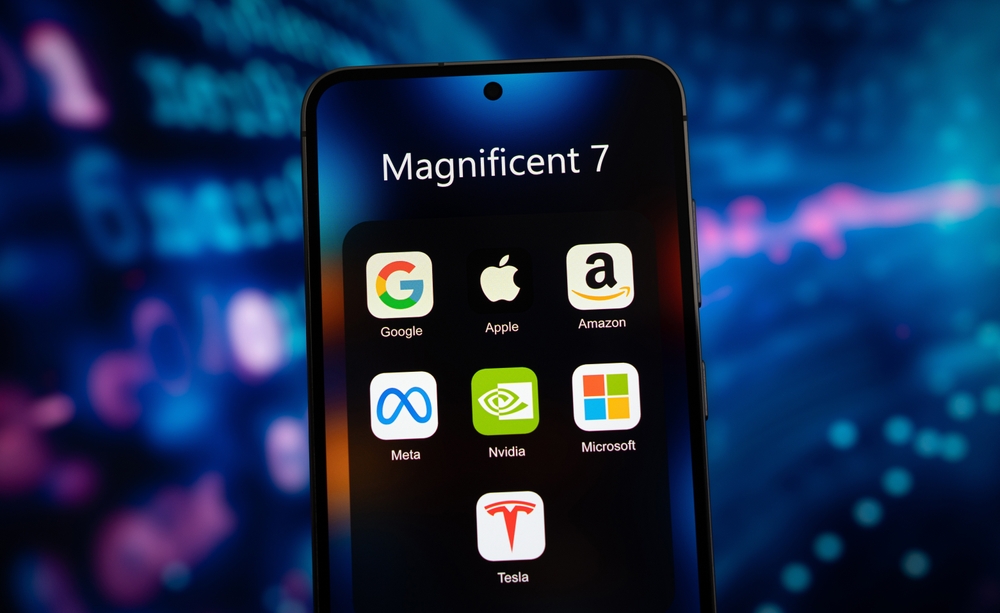
NEW YORK — In one of the most spectacular financial about-faces in modern market history, the "Magnificent Seven" mega-cap technology stocks have defied skeptics to surge to fresh, undisputed all-time highs. The milestone, first captured in trading sessions culminating on September 22, 2026, marks the complete capitulation of the bear thesis that had gripped Wall Street during a punishing correction earlier this year.
Just months ago, a brutal early-2026 selloff threatened to dismantle the tech-led bull run. Concerns over delayed artificial intelligence (AI) monetization, stubborn interest rate anxiety, and overstretched valuations sent shockwaves through global portfolios. Yet, a combination of stellar corporate earnings, definitive proof of AI profitability, and a stabilizing macroeconomic backdrop has propelled these seven tech titans back to the throne of global equity markets, pushing their collective market capitalization past a staggering $18 trillion.
Executive Summary: The Anatomy of a Tech Resurgence
- The Record Peak: The Magnificent Seven index crossed its previous historical peak set in late 2025, cementing a year-to-date recovery of over 32% from the March 2026 lows.
- The Catalysts: Unprecedented capital expenditure efficiency, compounding enterprise AI subscription revenues, and a dovish pivot by global central banks.
- Market Dominance: These seven companies—Apple, Microsoft, Alphabet, Amazon, Nvidia, Meta, and Tesla—now represent over 31% of the S&P 500’s total weight, re-igniting debates over market concentration.
From Capitulation to Triumph: Inside the 2026 U-Turn

To understand the magnitude of this achievement, one must look back to the dark days of February and March 2026. At the time, the financial press was filled with post-mortems of the "AI Bubble." Tech bears pointed to massive infrastructure spending with seemingly distant horizons for return on investment (ROI). Nvidia dipped briefly into correction territory, while Microsoft and Alphabet faced heavy scrutiny over their margins.
"The narrative has shifted from speculative building to aggressive monetization," says Julian Emmanuel, Senior Equity Strategist at Evercore ISI. "What we saw in the mid-2026 earnings cycle was a profound realization: Fortune 500 companies aren't just piloting AI; they are fully integrating it into their operating budgets. The Magnificent Seven are the toll collectors on this digital highway."
The turning point arrived with a series of blockbuster Q2 earnings reports. Nvidia’s next-generation Blackwell and Rubin chip architectures saw demand outstripping supply by a factor of three. Concurrently, Microsoft’s Copilot suite and Alphabet’s Gemini integration demonstrated double-digit growth in cloud-based software-as-a-service (SaaS) revenues, proving that the AI cash register was finally ringing.
Tracking the Giants: Mid-2026 Valuation and Market Capitalization
The sheer scale of the recovery is best illustrated by the individual performance metrics of these market leaders. Below is a snapshot of where the Magnificent Seven stand following the historic September 22, 2026, breakout:
| Ticker | Company Name | Est. Market Cap (Sept 2026) | Primary Growth Driver (2026 Rally) |
|---|---|---|---|
| NVDA | Nvidia Corp. | $3.65 Trillion | Unprecedented demand for Rubin/Blackwell AI architectures. |
| MSFT | Microsoft Corp. | $3.58 Trillion | Azure AI cloud expansion and commercial Copilot scaling. |
| AAPL | Apple Inc. | $3.45 Trillion | AI-driven iPhone super-cycle and services revenue surge. |
| GOOGL | Alphabet Inc. | $2.28 Trillion | Search defense via Gemini AI and YouTube ad monetization. |
| AMZN | Amazon.com Inc. | $2.15 Trillion | AWS margin expansion and AI-optimized retail logistics. |
| META | Meta Platforms | $1.52 Trillion | Llama-powered targeted ad tools and automated video feeds. |
| TSLA | Tesla Inc. | $880 Billion | FSD (Full Self-Driving) licensing progress and energy storage. |
What This Means for the Global Investor
For retail and institutional investors alike, this historic breakout prompts critical asset allocation questions. Critics argue that the S&P 500 is increasingly becoming an exchange-traded fund (ETF) dominated by just a handful of executives in Redmond, Cupertino, and Santa Clara. However, supporters point out that unlike the dot-com bubble of 2000, these valuations are backed by unparalleled, fortress-like balance sheets and massive free cash flow yields.
Furthermore, macro tailwinds have provided the necessary oxygen for this rally. As inflation normalized back toward target levels, the Federal Reserve’s gradual rate-cutting cycle reduced the cost of capital, making the long-duration growth profiles of tech giants highly attractive once more.
"We are seeing a flight to quality that also happens to be a flight to high-octane growth," notes Dan Ives, Senior Equity Research Analyst at Wedbush Securities. "This isn't a speculative frenzy; it’s a fundamental realization that these seven companies essentially dictate the infrastructure of the global economy. To bet against them has historically been a losing proposition, and 2026 proved that rule once again."
Looking Ahead: Can the Momentum Hold?
While the mood on Wall Street is overwhelmingly celebratory, risks remain on the horizon. Regulatory scrutiny from both the European Union and the U.S. Federal Trade Commission (FTC) regarding antitrust issues remains a constant threat. Additionally, geopolitical tensions surrounding semiconductor supply chains in the Asia-Pacific region could introduce sudden volatility.
Nonetheless, as the Magnificent Seven navigate this new era of record highs, they do so with stronger fundamentals, leaner operations, and a clear technological monopoly over the future of enterprise software and hardware. For now, the bears have been soundly defeated, and the tech bull market of the 2020s has written its most resilient chapter yet.
Frequently Asked Questions (FAQ)
1. What triggered the early 2026 selloff before this record rebound?
The early 2026 selloff was primarily driven by "AI fatigue" among institutional investors, who grew impatient with the high capital expenditures of tech firms without immediate consumer-facing revenues. This was exacerbated by stubborn inflation prints in Q1 2026, which delayed anticipated central bank interest rate cuts, temporarily depressing high-multiplier tech stocks.
2. Is this Magnificent Seven rally sustainable, or are we in a bubble?
Unlike the dot-com crash of 2000, today's tech giants possess exceptional profitability, massive cash reserves, and historically low debt-to-equity ratios. While short-term pullbacks are expected due to technical overbuying, analysts argue the current valuations are fundamentally supported by robust, recurring enterprise software revenue and explosive cloud database demand.