Inside the Crackdown: US Slams Iran Air with Sweeping Sanctions as Missile Transfers to Russia Trigger Global Economic Blowback
WASHINGTON D.C. — In a coordinated, high-stakes move to sever Tehran’s economic lifelines, the United States has unleashed a sweeping barrage of sanctions targeting Iran’s national passenger airline, Iran Air, alongside a sophisticated network of foreign procurement businesses and shipping vessels. This aggressive escalation, announced jointly by the U.S. Department of the Treasury and the Department of State, marks one of the most significant punitive campaigns against the Islamic Republic in recent years.
The punitive measures are a direct response to intelligence confirming that Tehran has transferred close-range ballistic missiles to Russia for use in its ongoing war against Ukraine. By weaponizing secondary sanctions, Washington is sending a chilling warning to global maritime sectors, aviation industries, and foreign intermediaries: do business with Tehran, and risk complete exclusion from the Western financial system.
The Trigger: Ballistic Missiles on European Soil
For months, Western intelligence agencies have tracked deepening military cooperation between Moscow and Tehran. The tipping point occurred with the verified delivery of Iran’s Fath-360 close-range ballistic missiles to Russian military personnel. U.S. officials warn these weapons will likely be deployed against Ukrainian infrastructure within weeks, freeing up Russia’s longer-range missile arsenals to target deeper into civilian territories.
Speaking in London alongside UK Foreign Secretary David Lammy, U.S. Secretary of State Antony Blinken did not mince words. "Russia has now received shipments of these ballistic missiles and will likely use them within weeks in Ukraine," Blinken warned. "We have warned Iran publicly, we have warned Iran privately, that taking this step would constitute a dramatic escalation."
The immediate consequence is the systematic dismantling of Iran’s flagship commercial aviation network, which Washington asserts has long operated as a dual-use entity, masquerading as a civilian carrier while transporting military cargo, drone components, and personnel on behalf of the Islamic Revolutionary Guard Corps (IRGC).
Deconstructing the Sanctions: Who and What is Targeted?
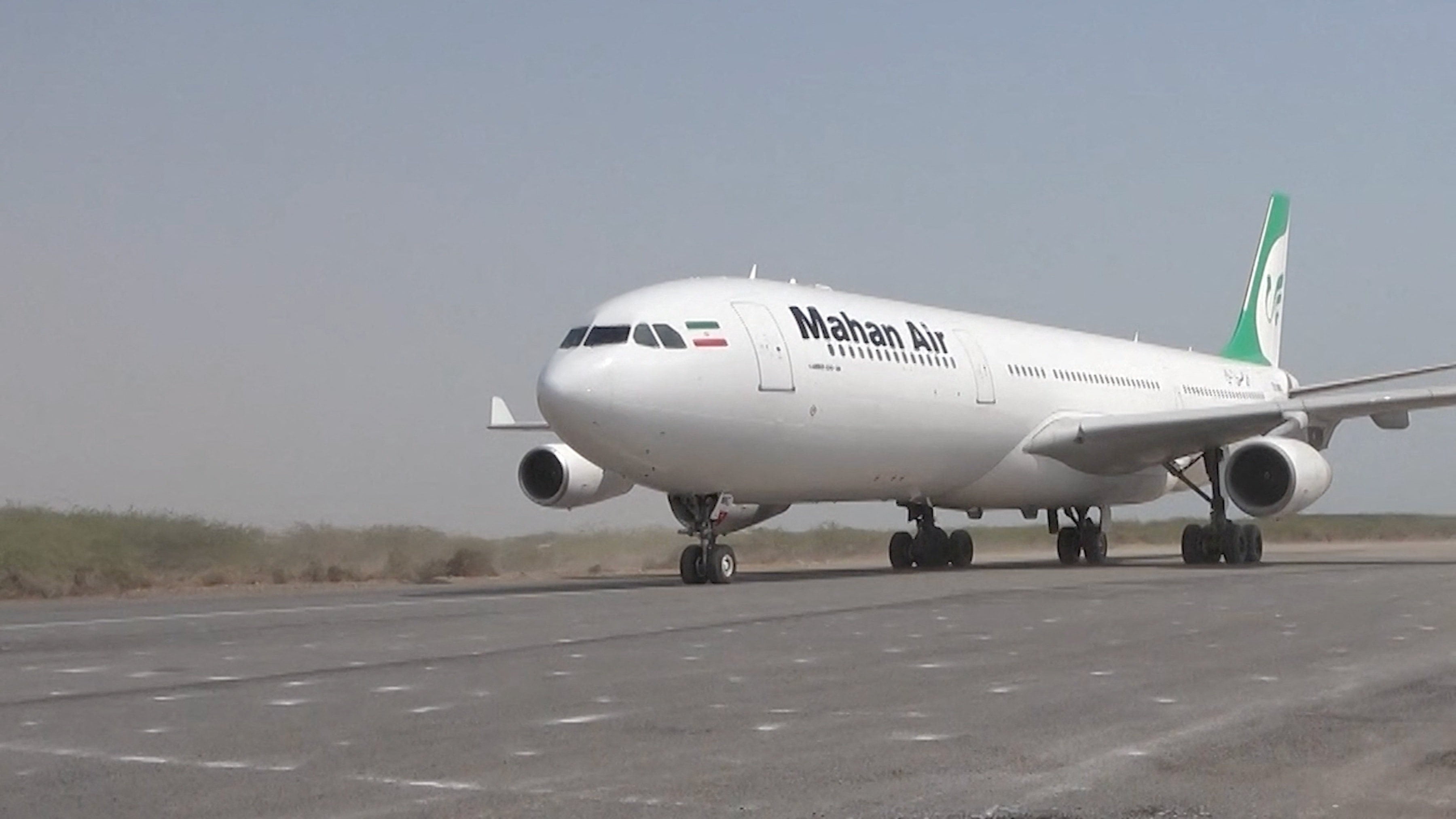
The Treasury’s Office of Foreign Assets Control (OFAC) targeted a highly complex, multi-layered procurement network spanning several countries, including Iran, Turkey, the United Arab Emirates (UAE), and Russia. These entities allegedly operated as front companies, masking the acquisition of critical dual-use aviation parts and electronic components required to sustain Iran's domestic drone and missile manufacturing programs.
Key Targets of the US Sanctions Regime:
- Iran Air: The national flag carrier has been designated for operating in the transportation sector of the Iranian economy and providing material support to the IRGC. The sanction effectively bans the airline from operating in Western airspace and halts its access to international maintenance services.
- Foreign Procurement Networks: Key front companies based in the UAE and Turkey have been blacklisted for facilitating the transfer of aircraft engines, navigation systems, and European-origin spare parts to sanctioned Iranian airlines.
- Russian Shipping Vessels: Five Russian cargo vessels—the Baltiyskiy-111, Skif-V, Omskiy-103, Begey, and Port Olya-3—have been blocked for transporting military equipment, including drone payloads and missile components, across the Caspian Sea.
- State-Backed Officials: Multiple senior officials within Iran’s Ministry of Defense and Armed Forces Logistics (MODAFL) and the IRGC Space Force have faced individual asset freezes.
The Economic Blueprint: Sanctioned Entities and Impacts
The operational and financial impact of these designations is immediate and severe. The table below outlines the core entities targeted in this wave of sanctions and the exact nature of their involvement in the procurement chain.
| Targeted Entity | Primary Jurisdiction | Role in Procurement Network | Primary Economic Impact |
|---|---|---|---|
| Iran Air | Iran | Transporting military personnel, weapons, and drone parts under commercial guise. | Banned from European airspace; assets frozen; international ground services revoked. |
| Anik Air & Partners | Turkey / UAE | Procurement of Western-manufactured avionics and dual-use turbine parts. | Complete block on U.S. dollar transactions; seizure of Western bank accounts. |
| MG Flot (Shipping) | Russia | Maritime transport of Iranian-made UAVs and munitions across the Caspian Sea. | Vessels blocked from entering major international ports; loss of maritime insurance. |
| Farazan Industrial Alliance | Iran | Manufacturing of structural components used in Shahed-series suicide drones. | Global export bans; blacklisting of domestic and international trade partners. |
Global Business Implications: The Warning to Multinationals
For multinational corporations, particularly those operating in Middle Eastern and European logistics hubs, this executive action serves as a stark reminder of the risks associated with supply chain blind spots. The Department of the Treasury has made it clear that "willful blindness" is no longer an excuse. Foreign businesses that continue to service Iran Air flights—providing fuel, catering, or maintenance—could find themselves subject to secondary U.S. sanctions.
This coordinated pressure is not a unilateral American effort. In a joint statement, the foreign ministers of France, Germany, and the United Kingdom (the E3) confirmed they would immediately terminate bilateral air services agreements with Iran. This collectively halts Iran Air’s ability to fly into Western Europe, severely disrupting travel and cutting off one of the Iranian regime's last remaining channels for acquiring hard, Western currency.
"We will be taking immediate steps to cancel bilateral air services agreements with Iran," the E3 statement read. "In addition, we will pursue the designations of significant individuals and entities involved in Iran’s ballistic missile program and the transfer of arms to Russia."
Future Outlook: A Deepening Geopolitical Rift
As Washington and its European allies close the net around Iran's aviation and maritime trade, the diplomatic prospects for reviving the 2015 nuclear framework (JCPOA) have effectively evaporated. Instead, the global economy is witnessing the solidification of an alternative trade axis: an increasingly self-reliant partnership between Moscow, Tehran, and Beijing, designed to bypass Western financial clearinghouses altogether.
Market analysts warn that while these sanctions will severely handicap Iran's aviation fleet, they may also push these nations to develop more resilient, untraceable black-market logistics loops. For the immediate future, however, the financial skies have grown significantly darker for Tehran.
Frequently Asked Questions (FAQ)
1. Why is the US targeting passenger airlines like Iran Air instead of just military channels?
The U.S. government and its allies have presented intelligence showing that Iran Air is not operating merely as a commercial carrier. The airline has repeatedly been used by the IRGC to transport weapon systems, drone parts, military electronics, and trained personnel directly to conflict zones, including Russia. By targeting the airline, the U.S. effectively neutralizes a critical logistical pipeline used to bypass standard military customs and inspections.
2. What are the immediate consequences for foreign businesses that have existing contracts with the targeted entities?
Under U.S. secondary sanctions rules, any foreign company, bank, or individual that continues to engage in "significant transactions" with sanctioned entities like Iran Air risks being cut off from the U.S. financial system. This means they will lose the ability to clear transactions in U.S. dollars, face asset seizures in Western jurisdictions, and be blacklisted from doing business with American or European partners. Companies are expected to invoke force majeure clauses to terminate these contracts immediately.