

Executive Takeaways
- Strategic Capital Allocation: Meta is aggressively expanding Instagram’s browser-based editing suite ("Edits") to desktop environments, directly challenging ByteDance’s runaway market leader, CapCut.
- Infrastructure Scalability: Transitioning heavy video-editing workloads to the cloud and browser infrastructure represents a massive pivot in Meta's cloud compute architecture and monetization roadmap.
- Monetization & Valuation Multiples: By capturing enterprise-grade and high-volume independent creators on desktop, Meta aims to optimize long-term advertising revenue streams and safeguard user retention against fierce competitive pressures.
- Market Disruption: The move threatens traditional post-production software ecosystems and forces venture-backed creator-economy platforms to reevaluate their risk mitigation and platform dependency strategies.
For the past four years, the digital content creation economy has operated under a glaring structural asymmetry. While professional media companies and enterprise marketing departments cut long-form narratives on Adobe Premiere Pro or DaVinci Resolve, the world's most lucrative short-form video creators—the lifeblood of mobile engagement—have increasingly relied on a desktop-mobile hybrid ecosystem dominated almost entirely by one tool: ByteDance’s CapCut.
Now, Meta Platforms is preparing to rewrite the competitive dynamics of the creator economy. According to internal product roadmaps and verified industry disclosures, Instagram is rolling out robust, high-performance editing capabilities directly to desktop web browsers. This strategic deployment is not merely a feature update; it is an aggressive, well-capitalized offensive designed to capture high-value creators, undermine ByteDance’s cross-platform utility, and secure proprietary control over the entire digital video pipeline.
As regulatory scrutiny intensifies around cross-border data flows and app-store dominance, Meta’s capital allocation toward browser-based infrastructure signals a profound shift in product engineering. By moving advanced timeline editing, automated captioning, and multi-track audio mixing out of the mobile app and onto the desktop web, Instagram is directly targeting the professionalization of short-form video production.
The Catalytic Shift: Why Meta is Bringing "Edits" to the Desktop
Test Our Free AI & Tech Utilities Suite
Calculate LLM API token costs, analyze article dwell-time, or simulate tech DCA returns.
To understand the economic rationale behind Instagram’s desktop push, one must examine the shifting behaviors of top-tier digital creators. Creators generating millions of impressions per month have long complained about the severe limitations of mobile-first editing interfaces. Precision trimming, color grading, complex keyframing, and heavy asset management are fundamentally constrained by mobile touchscreen interfaces and local device thermal throttling.
ByteDance recognized this bottleneck early, positioning CapCut not just as an in-app companion to TikTok, but as a standalone, cross-platform desktop application. By offering professional-grade features—such as smart cutouts, speed ramping, and cloud-synced project files—for free or at nominal subscription costs, CapCut successfully hooked creators who publish across Instagram Reels, YouTube Shorts, and TikTok alike.
Meta’s executive leadership identified this multi-platform dependency as a critical vulnerability. If creators build their workflows on ByteDance infrastructure, their primary loyalty and asset libraries reside outside Meta's walled garden. By introducing a native, browser-based "Edits" suite on desktop, Instagram is attempting to internalize the production workflow. Creators can now ingest raw footage, arrange multi-layered timelines, apply AI-driven enhancements, and publish directly to their Instagram feeds without ever opening a third-party application.
This integration yields profound implications for enterprise ROI and engagement metrics. When creators use native desktop tools optimized for Instagram’s specific algorithmic requirements and aspect ratios, the friction of publishing drops to zero. Furthermore, it allows Meta to capture richer telemetry on video production trends, feeding its proprietary machine learning models with early signals on which formats, pacing styles, and visual effects will dominate consumer feeds.
Cloud Compute Architecture and Technical Execution
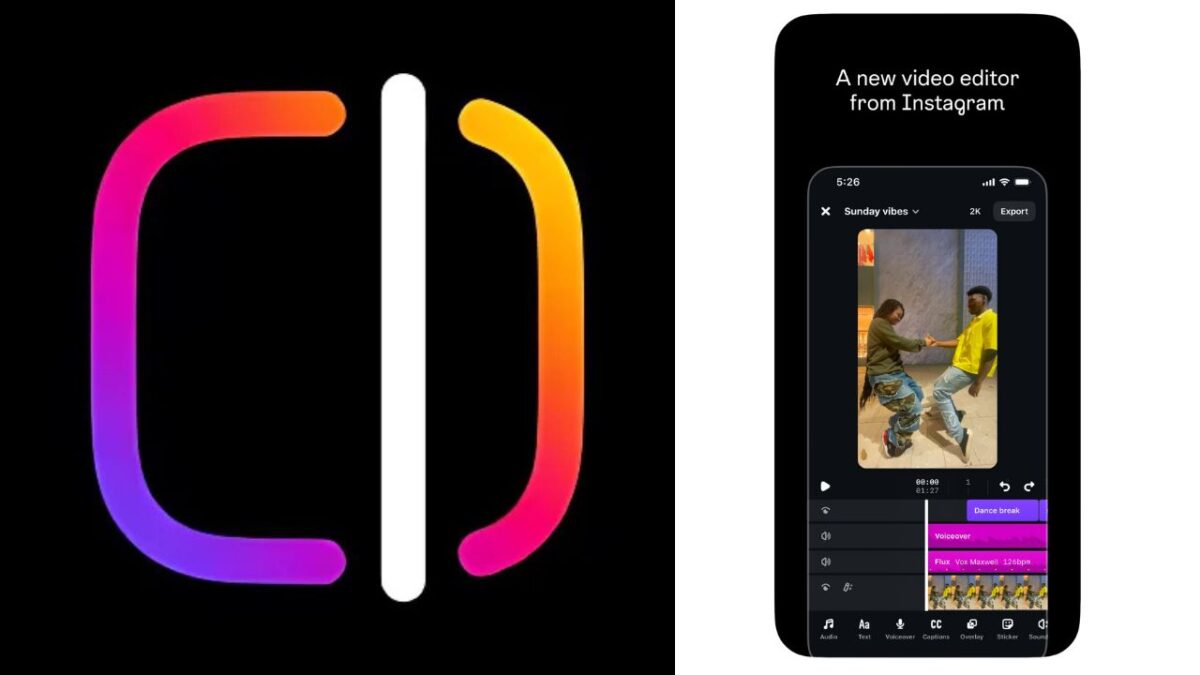
Executing a fully functional, high-performance video editor within a web browser is an immense engineering feat. Unlike mobile apps that leverage local device hardware via specialized APIs, browser-based editors must navigate the strict sandboxing of modern web engines while processing massive 4K and 1080p video files.
Industry insiders note that Meta’s engineering teams have heavily optimized WebAssembly (Wasm) and WebGL protocols to handle rendering tasks locally while leveraging distributed cloud compute architecture for heavy operations such as AI background removal, speech-to-text transcription, and automated color balancing. This hybrid model mitigates server-side infrastructure costs while delivering the snappy responsiveness expected by professional video editors.
However, this technical ambition introduces significant capital expenditure requirements. Maintaining high-availability cloud rendering pipelines and massive asset storage infrastructure demands rigorous risk mitigation and continuous server optimization. For Wall Street analysts tracking Meta’s capital expenditure guidance, this move underscores management’s willingness to absorb short-term infrastructure costs in exchange for long-term platform dominance and advertising inventory expansion.
Verified Data & Metrics Breakdown Table
The following comparative matrix outlines the strategic positioning, technical capabilities, and market reach of Instagram’s new desktop initiative versus its primary competitor:
| Feature / Metric | Instagram Desktop Edits | ByteDance CapCut Desktop | Traditional NLEs (Premiere/Resolve) |
|---|---|---|---|
| Primary Platform Delivery | Web Browser (Chrome, Safari, Edge) | Dedicated Desktop App (Win/Mac) | Dedicated Local Workstation App |
| Core Monetization Intent | Drive native Reels engagement & ad inventory | SaaS subscriptions & cloud storage upsells | Direct software licensing & enterprise seats |
| Target User Demographic | Power creators, brands, and social agencies | Cross-platform short-form creators | Film, TV, and high-end commercial editors |
| AI Integration Level | Native Meta Llama & computer vision models | Proprietary ByteDance creative AI suites | Third-party plugins & emerging native AI |
| Publishing Friction | Frictionless, direct-to-feed API pipeline | Requires export, rendering, and manual upload | Requires manual export and re-upload |
Industry & Market Implications: Who Wins, Who Loses?
The rollout of Instagram’s desktop editing suite sends shockwaves through the digital media ecosystem, creating clear winners and losers across the financial and technological landscape.
Winners:
- Meta Platforms (NASDAQ: META): The clear primary beneficiary. By keeping creators within its ecosystem from conception to publishing, Meta enhances its data network effects, improves user retention, and secures prime advertising inventory. This directly impacts valuation multiples positively by demonstrating robust product innovation and competitive defense.
- Professional Independent Creators: Creators gain access to a powerful, frictionless tool that eliminates software subscription overhead and streamlines multi-track editing without requiring expensive local workstation upgrades.
- Cloud Infrastructure Providers: Companies providing distributed CDN services, high-speed storage solutions, and edge-computing capabilities stand to benefit from the soaring volume of browser-based media processing.
Losers:
- ByteDance / CapCut: Meta’s direct entry threatens CapCut’s monopoly over the cross-platform creator workflow, potentially decelerating its user acquisition metrics and forcing increased marketing expenditures.
- Mid-Tier Desktop Video Software Vendors: Independent software companies offering basic consumer-grade video editors face existential pressure as tech giants bundle professional-grade editing tools directly into social media platforms for free.
Frequently Asked Questions (People Also Ask)
1. How does Instagram’s desktop editor impact existing creators who use CapCut?
While CapCut remains a robust standalone application with advanced standalone effects, Instagram’s desktop editor eliminates the need to export and re-import files between platforms. For creators whose primary distribution channel is Instagram Reels, the native desktop tool offers a more streamlined, zero-friction publishing pipeline directly into Meta's ecosystem.
2. Is the Instagram desktop editing suite available to all users globally?
Meta is rolling out the feature in phased deployments. Initial access is prioritized for verified creators, business accounts, and power users, with a broader global rollout scaling across desktop web browsers over the coming quarters.
3. Does using Instagram on desktop require high-end hardware specifications?
Because the platform leverages a hybrid architecture combining local browser rendering (WebAssembly/WebGL) with cloud-accelerated AI processing, users do not need high-end enterprise workstations to perform standard timeline cuts, text overlays, and audio syncing.
4. Will Meta charge a subscription fee for advanced features in the desktop editor?
Market analysts indicate that Meta’s primary objective is maximizing engagement and advertising inventory rather than direct software monetization. Consequently, core editing tools are expected to remain free to incentivize maximum platform adoption among high-volume creators.
Future Outlook & Strategic Milestones
As Meta pushes deeper into desktop productivity software, industry observers and equity researchers will closely monitor several key performance indicators over the next 12 to 18 months. First, adoption rates among top-tier agency and brand creators will serve as an early barometer of the tool's professional viability. Second, integration milestones involving generative AI features—such as automated script-to-video generation, advanced voice synthesis, and dynamic aspect-ratio reframing—will determine whether Meta can out-innovate ByteDance's aggressive R&D cycles.
Ultimately, this technological clash highlights a broader economic reality: in the modern digital economy, control over the production layer is the ultimate guarantor of distribution power. By extending Instagram to the desktop, Meta is not just building a better video editor; it is fortifying its economic moat against one of its most formidable global rivals.


