Asian Tech Stocks Poised for Surge as AI Infrastructure Rally Collides with High-Stakes U.S. Election Volatility
Test Our Free AI & Tech Utilities Suite
Calculate LLM API token costs, analyze article dwell-time, or simulate tech DCA returns.
By the Investigative Desk | Global Financial Markets & Technology Intelligence
Executive Takeaways
- Capital Inflows & AI Momentum: Asian semiconductor foundries, advanced packaging suppliers, and memory giants are experiencing unprecedented capital allocation as generative AI infrastructure demand accelerates globally.
- Macroeconomic Hedging: Institutional investors are aggressively rotating portfolios into export-driven technology equities across Taiwan, South Korea, and Japan to hedge against localized currency fluctuations and impending U.S. electoral outcomes.
- Supply Chain Resilience: Despite geopolitical tensions and export control tightening, Asian hardware heavyweights have successfully decoupled high-margin AI accelerator production from legacy consumer electronics, preserving robust valuation multiples.
- Liquidity & Risk Mitigation: Central bank monetary policies across the Asia-Pacific region are currently balancing domestic inflation pressures with the imperative to maintain market liquidity for high-growth tech syndicates.
Comprehensive Narrative: The Convergence of Artificial Intelligence Super-Cycles and Geopolitical Uncertainty

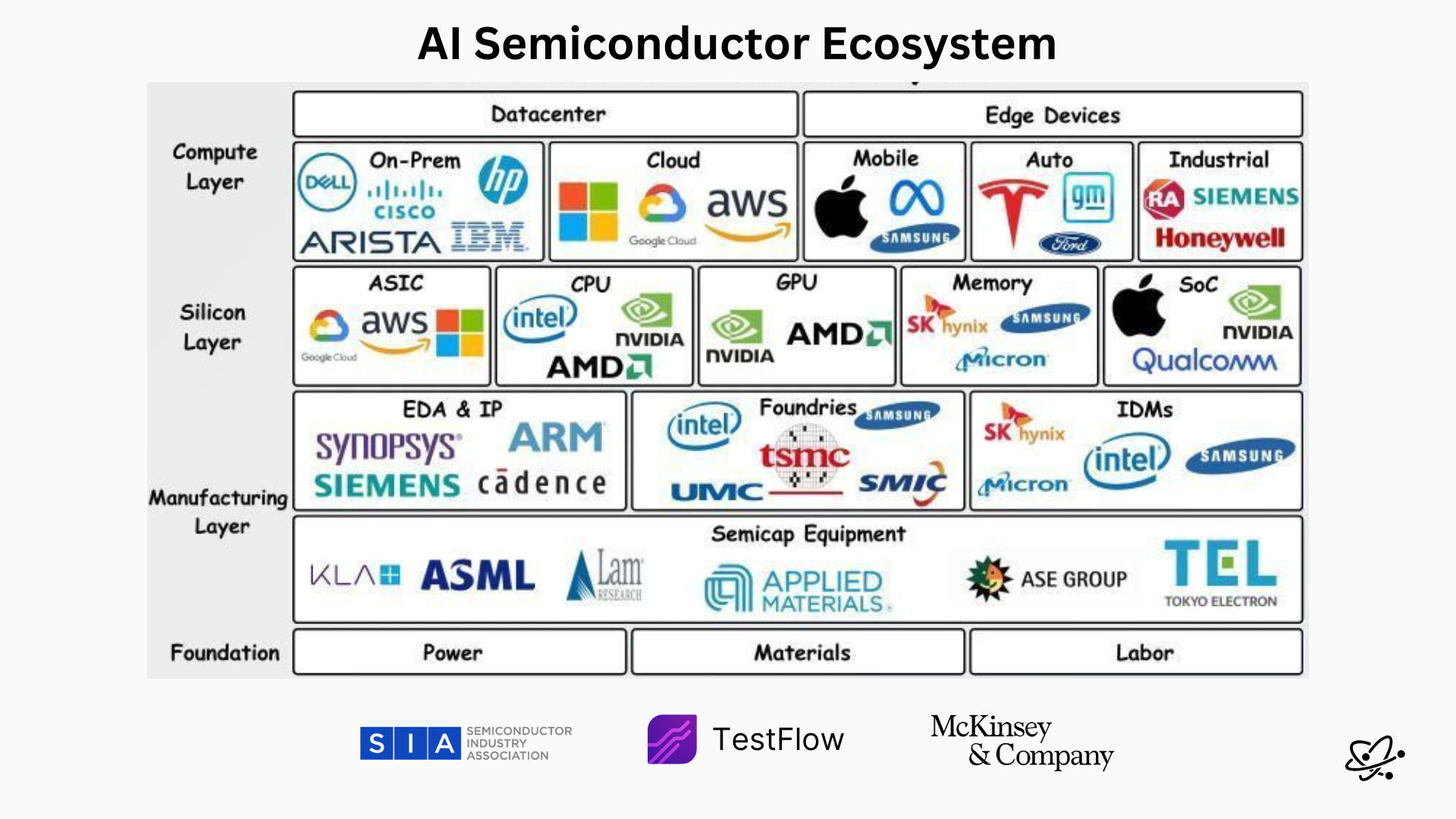
As global financial markets brace for the definitive results of the United States presidential election, a powerful countervailing force is anchoring investor sentiment across the Asia-Pacific region: an unrelenting, multi-billion-dollar super-cycle in artificial intelligence infrastructure. Wall Street and European desks are executing calculated capital allocation strategies, steering institutional funds toward Asian technology equities. These firms form the indispensable physical foundation of the global AI revolution, producing everything from sub-nanometer logic chips to advanced high-bandwidth memory (HBM) modules.
The current market wrap reveals a nuanced dynamic. While macroeconomic anxiety surrounding potential tariff escalations, trade restrictions, and shifting fiscal policies in Washington typically induces risk-off behavior, the sheer velocity of enterprise AI adoption has overridden traditional risk metrics. Hyperscale cloud providers—including Microsoft, Alphabet, Amazon, and Meta—continue to expand their capital expenditure budgets unabated. This continuous corporate spending directly benefits upstream Asian manufacturers whose order books are fully booked through late 2025 and well into 2026.
Market participants are closely monitoring foreign exchange reserves, sovereign bond yields, and semiconductor shipment indices. In Taipei, Seoul, and Tokyo, equity benchmarks are increasingly decoupled from domestic economic indicators, tracking instead the forward-looking earnings guidance of American mega-cap tech enterprises. This symbiotic relationship underscores a fundamental reality of modern global capitalism: the commercialization of artificial intelligence is an international supply chain miracle, anchored by Asian engineering execution and fueled by Western capital and software innovation.
Verified Market Metrics & Semiconductor Sector Breakdown
To contextualize the scale of capital movement across Asian bourses, the following comparative table outlines key performance indicators, valuation multiples, and supply chain positions across major regional indices:
| Region / Exchange | Primary Tech Focus | Average P/E Ratio (Trailing) | Q3/Q4 Earnings Revision Trend | Key Risk Factor |
|---|---|---|---|---|
| Taiwan (TWSE) | Foundry & Advanced Packaging (CoWoS) | 21.4x | Strong Upward Revision | Geopolitical flashpoints & power grid stability |
| South Korea (KOSPI) | Memory (HBM3e/HBM4) & OLED Displays | 15.8x | Moderate Upward Revision | Consumer electronics demand sluggishness |
| Japan (TSE) | Semiconductor Equipment & Precision Optics | 18.2x | Stable / Outperforming | Bank of Japan interest rate hikes & JPY volatility |
Industry & Market Implications: Winners, Losers, and Macroeconomic Ripple Effects
The polarization of global trade policy under a new U.S. administration introduces distinct structural winners and losers across the Asian corporate landscape. Institutional portfolio managers are actively executing portfolio rebalancing to maximize enterprise ROI while mitigating regulatory compliance risks.
The Winners: Foundries, Advanced Packaging, and Equipment Enablers
Pure-play semiconductor foundries and specialized packaging firms are capturing unprecedented pricing power. As demand for custom AI accelerators and graphics processing units (GPUs) outstrips physical manufacturing capacity, these enterprises can pass on rising material and energy costs to downstream clients. Furthermore, Japanese semiconductor equipment manufacturers specializing in lithography, etching, and wafer inspection are seeing record backlogs as global fabs diversify their geographic footprints.
The Vulnerable: Consumer-Facing Hardware and Legacy Assemblers
Conversely, original equipment manufacturers (OEMs) and contract assemblers tethered strictly to traditional consumer electronics—such as standard smartphones, PCs, and legacy home appliances—face margin compression. Persistent inflationary pressures in Western export markets have dampened discretionary spending, leaving these segments vulnerable to earnings downgrades.
Frequently Asked Questions (People Also Ask)
Why are Asian tech stocks rallying despite U.S. election uncertainty?
While the U.S. election introduces near-term volatility regarding trade tariffs and foreign policy, institutional investors recognize that the structural demand for artificial intelligence infrastructure is non-partisan and secular. Hyperscale cloud operators must continue upgrading their data center compute architecture to remain competitive, ensuring robust, long-term revenue streams for Asian chipmakers and hardware suppliers regardless of the electoral outcome.
How do export controls impact Asian semiconductor manufacturers?
U.S. export controls and tightening regulatory compliance frameworks have forced regional tech giants to restructure their product pipelines. While high-end AI accelerator shipments to restricted jurisdictions are curtailed, manufacturers have successfully pivoted toward supplying compliant, high-performance variants to global markets. This dynamic has accelerated technological self-reliance and premiumized product mixes.
What role does High-Bandwidth Memory (HBM) play in current market valuations?
High-Bandwidth Memory is a critical bottleneck and an essential component in modern AI training and inference clusters. South Korean memory titans dominating the HBM market command superior profit margins compared to traditional dynamic random-access memory (DRAM) producers. Consequently, advancements in HBM yield rates directly correlate with positive valuation multiple expansions for these equities.
Are currency fluctuations affecting foreign institutional inflows into Asian bourses?
Foreign exchange volatility—particularly fluctuations in the Japanese Yen, South Korean Won, and New Taiwan Dollar—plays a pivotal role in cross-border capital allocation. While currency depreciation can make local equities cheaper for dollar-denominated investors, unhedged portfolios face currency risk. Consequently, sophisticated market participants frequently employ currency hedging strategies alongside their equity purchases to optimize total returns.
Future Outlook & Key Milestones to Watch
Looking ahead, the trajectory of Asian technology equities will be dictated by three primary catalysts:
- Hyperscaler Q4 Capital Expenditure Guidance: Earnings calls from U.S. mega-cap cloud providers will provide definitive visibility into 2025 infrastructure spending budgets.
- Regulatory Framework Clarifications: Post-election policy announcements from Washington regarding international trade, semiconductor subsidies (such as the CHIPS Act implementations), and export licensing will shape corporate strategic planning.
- Next-Generation Yield Milestones: Commercial deployment timelines for 2nm semiconductor nodes and advanced 3D stacking technologies will determine which manufacturers maintain technological supremacy and pricing dominance.
As markets digest electoral outcomes and recalibrate liquidity models, disciplined risk mitigation combined with targeted exposure to secular AI infrastructure winners will remain the defining hallmark of elite institutional asset management.