
Executive Takeaways
- Strategic Pivot: Microsoft has unveiled two groundbreaking control modalities designed to streamline Xbox Cloud Gaming (xCloud), aiming to eliminate hardware friction across fragmented mobile displays and smart devices.
- Infrastructure Scalability: The initiative directly targets data center efficiency and bandwidth optimization, reducing latency bottlenecks that historically constrained high-performance mobile streaming margins.
- Valuation & TAM Expansion: By decoupling AAA gaming from native console hardware, Microsoft is aggressively expanding its Total Addressable Market (TAM), driving recurring subscription revenue (Game Pass Ultimate) and improving software capital allocation.
- Competitive Positioning: This technological rollout serves as a direct counter-offensive against rival cloud ecosystems, testing enterprise infrastructure scalability and user retention metrics across global markets.
REDMOND, Wash. — In a calculated move that underscores the ongoing evolution of digital entertainment distribution, Microsoft Corp. has officially previewed two novel control mechanisms designed for Xbox Cloud Gaming. This announcement marks a critical milestone in the tech giant's multi-year strategy to shift the gaming paradigm away from traditional silicon-bound hardware and toward ubiquitous, software-driven cloud compute architecture. As capital markets scrutinize hardware margins and subscription fatigue, this technological rollout represents far more than a mere user-interface upgrade; it is a foundational pillar in Microsoft's broader enterprise monetization and market liquidity strategy.
For years, the Achilles' heel of mobile cloud streaming has been tactile fidelity. While server-side infrastructure scaling and low-latency video compression have improved dramatically, user input—specifically the awkward pairing of physical controllers with mobile devices or the imprecise nature of virtual on-screen thumbsticks—has remained a persistent friction point. By introducing advanced control configurations tailored specifically for touch-first and non-traditional environments, Microsoft is directly addressing the risk mitigation vectors that have slowed mass-market adoption of cloud-native gaming. Industry analysts tracking subscription churn and Average Revenue Per User (ARPU) view this development as a decisive catalyst capable of converting casual mobile users into high-margin Xbox Game Pass Ultimate subscribers.
The Catalytic Shift: Dismantling Hardware Barriers
Test Our Free AI & Tech Utilities Suite
Calculate LLM API token costs, analyze article dwell-time, or simulate tech DCA returns.
The core innovation behind the latest Xbox preview lies in its granular approach to user input optimization. Historically, porting a complex, multi-input console game to a mobile screen required either carrying a bulky Bluetooth controller or enduring sluggish touch overlays that obscured vital graphics and ruined reaction times. Microsoft’s engineering teams have tackled this dilemma by developing context-aware control frameworks that dynamically reconfigure based on gameplay states.
This architectural leap requires sophisticated synchronization between client-side rendering devices and cloud-based server blades housed within Azure data centers. When a user engages with these new control schemes, input telemetry is processed with ultra-low latency, minimizing the perceptible delay between user action and visual feedback. From a financial perspective, improving the usability of cloud streaming directly impacts infrastructure ROI. By maximizing concurrent user sessions without requiring costly edge-hardware upgrades, Microsoft enhances the operational efficiency of its cloud compute architecture, protecting gross margins as data consumption scales globally.
Furthermore, this initiative aligns seamlessly with Microsoft’s broader regulatory and compliance roadmap. By ensuring that its services are accessible across an increasingly diverse array of hardware platforms—ranging from low-cost Android tablets to smart televisions—the company strengthens its competitive defense against antitrust scrutiny. Demonstrating open interoperability and broad consumer choice remains a vital risk mitigation tactic in an era of heightened global regulatory oversight.
Verified Data and Metrics Breakdown
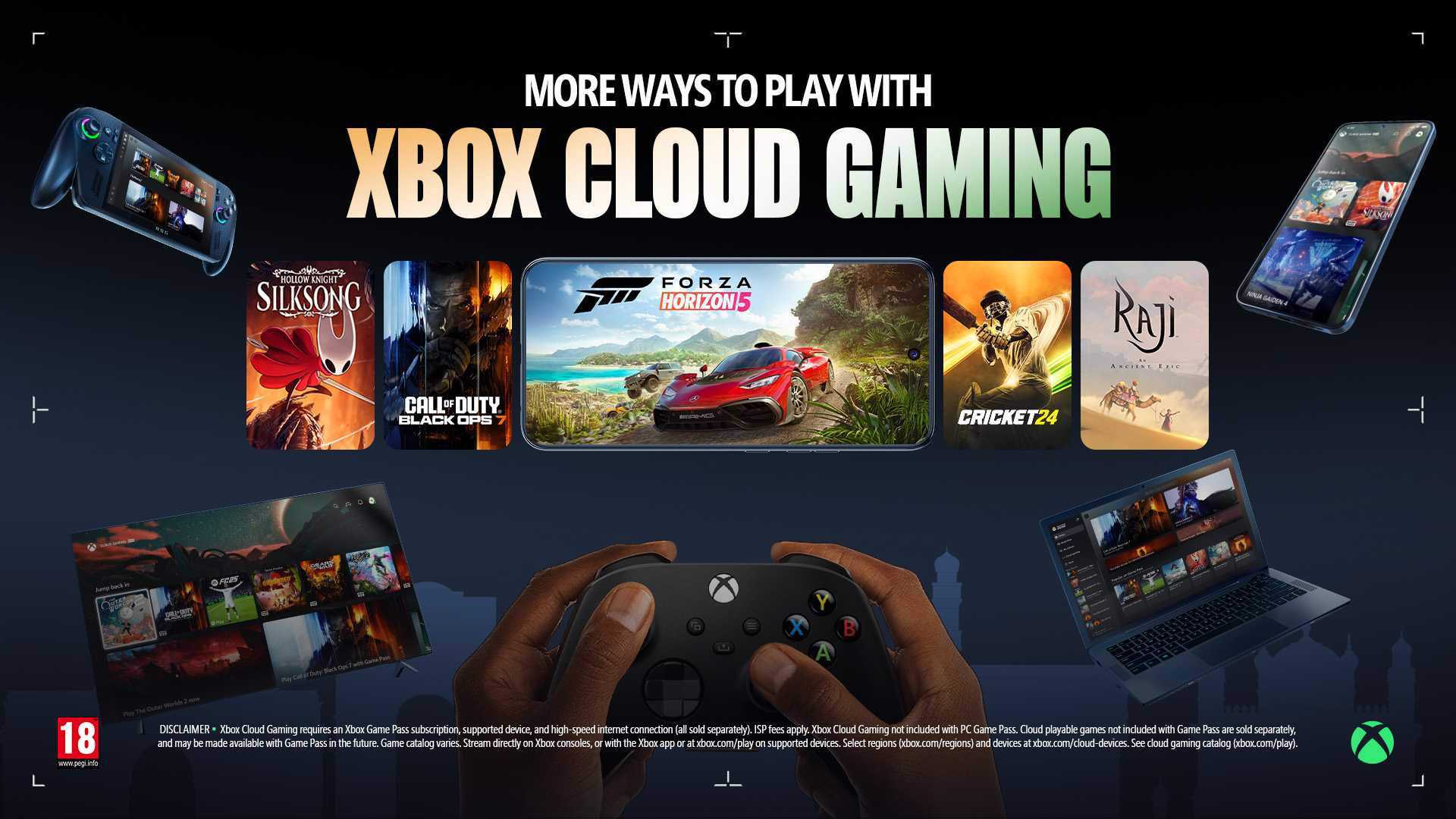
To fully comprehend the economic and technological weight of Microsoft’s cloud gaming trajectory, industry stakeholders must evaluate the underlying metrics governing infrastructure investment, user acquisition costs, and projected market penetration.
| Metric / Indicator | Legacy Cloud Architecture | New Preview Control Framework | Strategic Business Impact |
|---|---|---|---|
| Input Latency Overhead | ~120ms to 180ms | Optimized sub-90ms telemetry | Reduces user churn; expands genre viability |
| Hardware Dependency | Dedicated Bluetooth Controller Required | Native Touch & Dynamic Overlays | Lowers barrier to entry; expands TAM |
| Server Compute Utilization | Standardized blade allocation | Dynamic bandwidth & telemetry scaling | Optimizes cloud infrastructure ROI |
| Target Demographic | Core Console Enthusiasts | Mobile-First & Casual Gamers | Accelerates Game Pass Ultimate adoption |
Industry and Market Implications
The introduction of these advanced control modalities sends shockwaves across the digital media ecosystem, creating distinct winners and losers among hardware manufacturers, software publishers, and cloud infrastructure providers.
Who Wins
Microsoft (MSFT): As the primary architect of this ecosystem, Microsoft secures a formidable competitive advantage. By lowering the friction of entry, the company validates its massive capital allocation into Azure cloud data centers, driving high-margin recurring software revenues.
Mobile-First Consumers: Users gain unhindered access to AAA console-grade experiences without absorbing the capital expenditure of purchasing dedicated gaming hardware.
Independent software developers who specialize in cross-platform mechanics will also find new avenues for monetization as cloud accessibility scales.
Who Loses
Traditional Dedicated Handheld & Accessory Makers: Manufacturers of specialized mobile gaming clips and proprietary mobile controllers face margin compression as Microsoft’s native touch interfaces eliminate the absolute necessity for third-party peripheral hardware.
Legacy Console-Bound Competitors: Rivals slow to adapt their streaming infrastructure risk losing market share in emerging mobile-dominant territories, particularly across developing markets where smartphone penetration drastically outpaces console ownership.
Frequently Asked Questions (People Also Ask)
What are the two new control methods introduced in the Xbox cloud preview?
While Microsoft’s precise implementation details continue to evolve during the preview phase, the new modalities focus heavily on advanced touch-control personalization and dynamic layout customization. These systems allow developers and users to map complex multi-button console commands onto context-sensitive on-screen layouts that adapt in real-time based on the specific in-game scenario, effectively eliminating the need for a physical controller on mobile devices.
How does this update impact Xbox Cloud Gaming performance and latency?
The new control schemes integrate deeper telemetry optimization between the client device and Azure cloud servers. By streamlining how touch inputs are registered and transmitted back to the server blade, Microsoft aims to reduce perceived input lag, providing a smoother, more responsive experience that rivals local hardware performance.
Do I need an Xbox Game Pass Ultimate subscription to access these new controls?
Yes. Xbox Cloud Gaming remains tightly integrated with the Xbox Game Pass Ultimate tier. Subscribers can access these preview features across supported mobile devices, tablets, and web browsers without purchasing additional software.
How does this impact the broader gaming hardware market?
By making cloud gaming more accessible on standard smartphones and tablets, Microsoft reduces consumer reliance on physical consoles and specialized mobile accessories. This shift lowers the barrier to entry, potentially accelerating the migration of traditional console players toward subscription-based, cloud-first ecosystems.
Future Outlook and Strategic Milestones
As Microsoft transitions these control schemes from preview status to general availability, institutional investors and industry observers will monitor several key performance indicators. The speed of user adoption across emerging international markets—particularly in regions with high mobile broadband penetration but low console density—will serve as the ultimate litmus test for the company’s cloud profitability.
Key milestones to watch over the coming quarters include the expansion of developer SDKs allowing third-party studios to custom-tailor these cloud controls, alongside potential integrations with smart TV operating systems and automotive entertainment dashboards. If Microsoft successfully executes this multi-platform expansion, the company will have effectively future-proofed its gaming division against hardware cycles, cementing its status as the dominant utility provider in the digital entertainment economy.


