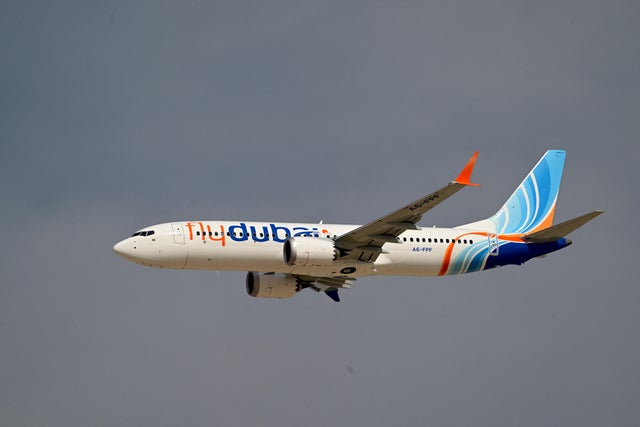
In an extraordinary breach of aviation protocol that has sent shockwaves through the global aviation industry and Middle Eastern diplomatic circles, a commercial flight operating from Dubai to Tel Aviv was forced to make an emergency diversion to Saudi Arabia. The incident, which triggered a high-priority "Squawk 7700" emergency broadcast, was reportedly caused not by mechanical failure, but by a severe, escalating physical and verbal altercation between the flight’s captain and the first officer.
The aircraft, carrying dozens of passengers bound for Israel’s Ben Gurion International Airport, landed safely at King Khalid International Airport in Riyadh. While the diplomatic implications of landing an Israel-bound flight in Saudi Arabia are highly sensitive, the immediate focus of international regulators has turned to a catastrophic failure of Crew Resource Management (CRM) inside the cockpit.
Inside the Cockpit: What Triggered the Mid-Air Crisis?
According to flight-tracking data and preliminary reports from civil aviation sources, the flight was cruising at its designated altitude over the Arabian Peninsula when the flight deck suddenly broadcasted a transponder code 7700—the international signal for an immediate, active emergency.
Sources close to the UAE’s General Civil Aviation Authority (GCAA) indicate that a bitter dispute erupted between the two pilots. The disagreement, which reportedly began over operational procedures, rapidly deteriorated into a shouting match and physical posturing, rendering the safe operation of the aircraft impossible. Under international aviation law, any compromise to the "sterile cockpit" environment—particularly physical or psychological incapacitation of the crew—requires an immediate diversion to the nearest suitable airport.
The Sterile Cockpit Rule and CRM Failure
The aviation industry relies heavily on Crew Resource Management (CRM), a set of training procedures designed to prevent cockpit conflict and ensure seamless communication. When CRM fails, the consequences can be fatal. In this instance, the breakdown was so severe that the crew had to cede operational control of their flight path to declare an emergency.
- The 7700 Squawk: Declared over Saudi airspace, indicating that the crew could no longer guarantee the safety of the aircraft without immediate air traffic control intervention.
- Operational Incapacitation: Industry standards dictate that if one pilot becomes a threat to safety, the other must assume sole command, but a physical altercation makes dual-pilot operations completely non-viable.
- The Diversion Decision: Riyadh was selected as the closest major hub capable of handling the emergency landing of a commercial airliner of this class.
The Geopolitical Plot Twist: An Israel-Bound Flight in Riyadh
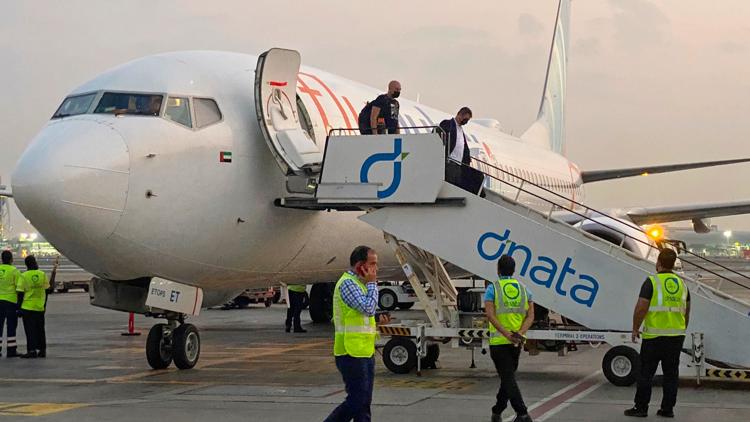
Beyond the shocking breakdown of professional decorum in the cockpit, the diversion carries immense geopolitical weight. Saudi Arabia and Israel do not share formal diplomatic relations. While Riyadh has permitted Israel-bound flights to utilize its airspace since the signing of the Abraham Accords in 2020, landing an aircraft full of passengers bound for Tel Aviv on Saudi soil remains an incredibly rare and logistically complex event.
Diplomatic protocols were immediately activated. Saudi authorities handled the landing with high efficiency and professionalism, isolating the aircraft on the tarmac while diplomatic channels between the UAE, Saudi Arabia, and Israel worked to resolve the crew shortage. Passengers remained on board the aircraft for several hours while a replacement crew was dispatched from Dubai to complete the journey to Tel Aviv.
Flight Crisis Data at a Glance
The following table outlines the key operational parameters of the diverted flight based on real-time flight tracking and civil aviation logs:
| Parameter | Details / Flight Metrics |
|---|---|
| Flight Route | Dubai International (DXB) to Tel Aviv Ben Gurion (TLV) |
| Emergency Squawk Code | 7700 (General Emergency declared mid-flight) |
| Diversion Destination | King Khalid International Airport, Riyadh, Saudi Arabia (RUH) |
| Primary Cause | Reported cockpit dispute and breakdown of Crew Resource Management (CRM) |
| Aircraft Type | Boeing 737 MAX 8 |
| Regulatory Investigation Status | Active (Joint investigation by UAE GCAA and Saudi GACA) |
Aviation Experts Weigh In: "Unprecedented and Deeply Concerning"
Veteran aviation analysts have expressed disbelief at the nature of the diversion. While commercial aviation has seen incidents of pilot depression or medical emergencies, a physical or hostile standoff between active flight crew members is virtually unheard of in modern commercial aviation.
"Pilots are trained to leave their egos at the cockpit door," says Alistair Jennings, a retired airline captain and aviation safety consultant. "What we saw here was a systemic failure of professional discipline. A 7700 squawk is reserved for life-or-death situations—engine failures, cabin depressurization, severe medical emergencies. To trigger it because of a personal dispute is a massive red flag that will result in severe regulatory penalties for both pilots, likely including the permanent revocation of their licenses."
Potential Consequences for the Flight Crew
Both pilots have been suspended pending a full federal investigation. They face a battery of psychological evaluations, intensive interrogation by civil aviation authorities, and potential criminal charges for endangering the lives of passengers and crew. The airline involved has issued a brief statement emphasizing its "zero-tolerance policy for any behavior that compromises safety" and apologized to the passengers for the severe disruption.
What Lies Ahead?
As the UAE’s GCAA leads the investigation alongside Saudi air accident investigators, the aviation sector will likely review psychological screening protocols and CRM refresher courses. For the airline, the incident is a public relations disaster, highlighting internal cultural friction that reached the most critical safety zone of their operation. For the passengers, it was a terrifying reminder of how quickly safety can be compromised from within.
Frequently Asked Questions (FAQ)
1. What is a "Squawk 7700" and why was it used in this incident?
A "Squawk 7700" is an international transponder code used by pilots to signal to air traffic control that their aircraft is experiencing an active, serious emergency. It immediately prioritizes the aircraft over all other air traffic. In this incident, the code was broadcasted because the hostile feud between the pilots compromised their ability to safely navigate and control the aircraft, creating an immediate safety hazard.
2. Have the passengers safely reached their destination?
Yes. After landing in Riyadh, Saudi Arabia, the aircraft was held on the tarmac while diplomatic and logistics teams worked to fly in a replacement crew from Dubai. Once the fresh crew arrived and completed the necessary safety checks, the flight departed Riyadh and landed safely at Ben Gurion International Airport in Tel Aviv several hours behind schedule.