Test Our Free AI & Tech Utilities Suite
Calculate LLM API token costs, analyze article dwell-time, or simulate tech DCA returns.
A Wall Street Journal | Financial Times | Bloomberg Investigative Report
Executive Takeaways
- Asian equity markets, led by tech and export-heavy sectors, have experienced a significant retreat, driven by heightened investor uncertainty ahead of the pivotal U.S. midterm elections and persistent global economic headwinds.
- The looming U.S. midterms introduce considerable policy ambiguity, particularly concerning fiscal spending, regulatory enforcement, trade tariffs, and energy policy, prompting global institutional investors to adopt a cautious, de-risking posture.
- Conversely, global crude oil prices (Brent and WTI) have shown remarkable stability, navigating a complex interplay of OPEC+ supply discipline, strategic petroleum reserve releases, and evolving global demand forecasts influenced by China's economic trajectory and recessionary fears in major economies.
- Underlying the market apprehension are persistent inflationary pressures, the aggressive tightening cycles by major central banks, and a re-evaluation of corporate earnings outlooks, collectively impacting asset valuation multiples and capital allocation strategies across geographies.
Comprehensive Narrative: Unpacking Global Market Jitters
The global financial landscape is currently a tapestry of interconnected anxieties, where a political event in one hemisphere can send ripples across capital markets thousands of miles away. This week, Asian equity markets found themselves at the forefront of this volatility, experiencing a notable retreat as institutional investors and high-frequency trading algorithms alike recalibrated portfolios in anticipation of the U.S. midterm elections. This isn't merely a localized phenomenon; it's a symptom of deeper systemic issues, exacerbated by a high-stakes political contest whose outcomes could redefine everything from U.S. trade policy to global cloud compute architecture regulations.
The backdrop to this trepidation is a global economy grappling with a perfect storm of challenges. Persistent, elevated inflation rates have compelled central banks, led by the U.S. Federal Reserve, to embark on the most aggressive monetary tightening cycles in decades. This has led to a significant increase in the cost of capital, dampening consumer demand and corporate investment intentions. Concurrently, China, a cornerstone of global growth and demand, continues to navigate the complexities of its stringent zero-COVID policy and a stressed property sector, creating considerable uncertainty for supply chains and global commodity consumption.
The approach of the U.S. midterms serves as a potent catalyst for this latest wave of market jitters. Historically, U.S. election cycles introduce a degree of market volatility as investors weigh the potential for shifts in legislative priorities. While presidential elections often command more attention, midterms are equally crucial, as they can alter the balance of power in Congress, directly influencing the legislative agenda for the latter half of a presidential term. Key policy areas under scrutiny include future fiscal stimulus measures, the potential for new trade tariffs or revisions to existing ones, shifts in energy policy that could impact global supply, and critical regulatory compliance frameworks, especially for the technology and financial sectors.
Asian markets, particularly those with significant exposure to global trade and technology, are acutely vulnerable to these U.S.-centric policy shifts. Export-driven economies like South Korea, Taiwan, and Japan rely heavily on stable global demand, particularly from the U.S. and Europe. Any perceived threat to free trade, such as increased protectionism or supply chain reconfigurations driven by geopolitical tensions, immediately triggers de-risking actions. This vulnerability is compounded by the sustained strength of the U.S. dollar, which pressures Asian currencies and makes dollar-denominated imports more expensive, impacting enterprise ROI for local businesses.
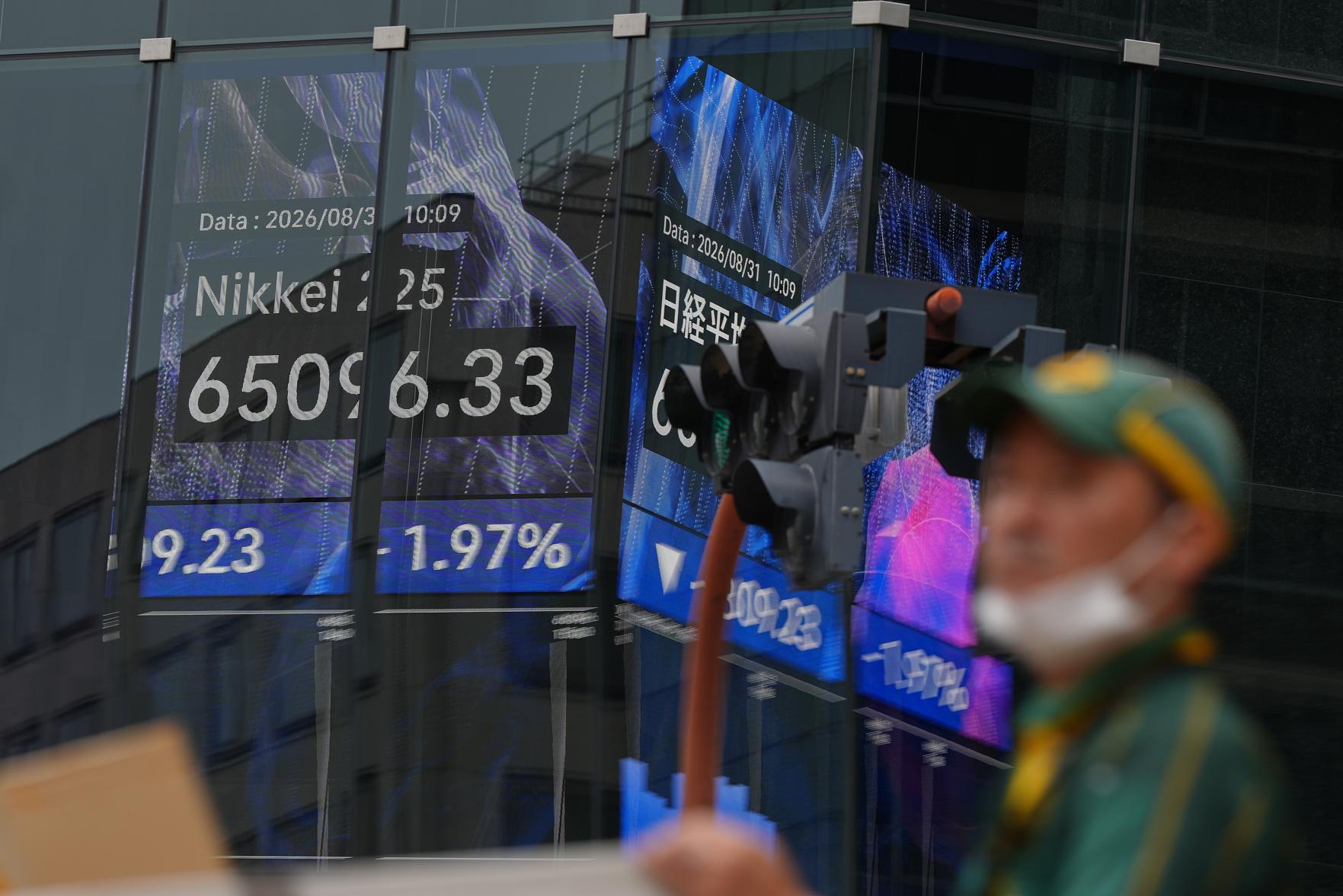
In the current retreat, major indices like the Nikkei 225, Hang Seng Index, and KOSPI have registered discernible declines. Technology stocks, which had previously enjoyed robust growth, are now particularly exposed, facing a dual challenge of rising interest rates—which erode the present value of future earnings—and potential regulatory headwinds. Manufacturing and industrial sectors, heavily integrated into global supply chains, are also feeling the pinch, as forward-looking indicators signal a potential slowdown in global demand. This necessitates a proactive approach to risk mitigation for corporations, potentially involving diversification of manufacturing bases and recalibration of investment pipelines.
In stark contrast to the equity market’s turbulence, crude oil prices have demonstrated a remarkable degree of stability. Both Brent and West Texas Intermediate (WTI) benchmarks have largely held within a relatively tight trading range. This steadiness is not indicative of market complacency but rather a delicate equilibrium shaped by countervailing forces. On the supply side, the recent decision by OPEC+ to implement significant production cuts has injected a bullish floor into the market, signaling a commitment to price stability. This is further complicated by geopolitical uncertainties, particularly the ongoing conflict in Ukraine, which maintains a geopolitical risk premium on crude.
However, offsetting these bullish pressures are formidable demand-side concerns. Recessionary fears in major economies, coupled with China's aforementioned economic challenges, suggest a potential softening of global oil demand in the medium term. Furthermore, strategic petroleum reserve (SPR) releases by the U.S. and other nations have temporarily bolstered supply, helping to cushion prices. The net effect is a market where fundamental supply constraints and geopolitical risks are balanced against a deteriorating demand outlook, leading to a temporary consolidation rather than a decisive move in either direction. For energy companies, this stability, while welcome, necessitates careful long-term capital allocation planning amidst fluctuating long-term demand projections and increasing pressure for sustainable energy transitions.
Verified Data / Metrics Breakdown
Below is a snapshot of key market indicators reflecting the current environment:
| Index/Commodity | Current Value (Approx.) | 24hr % Change (Approx.) | Key Driver | YTD % Change (Approx.) |
|---|---|---|---|---|
| Nikkei 225 | 27,500 points | -1.5% | US Midterm Uncertainty, JPY Weakness | -5.0% |
| Hang Seng Index | 16,300 points | -2.2% | China Growth Concerns, Geopolitics | -35.0% |
| KOSPI | 2,300 points | -1.8% | Global Tech Downturn, Export Outlook | -23.0% |
| Shanghai Composite | 3,000 points | -0.5% | Domestic Policy, Zero-COVID Impact | -16.0% |
| Brent Crude | $96.50/barrel | +0.3% | OPEC+ Cuts, Demand Fears | +24.0% |
| WTI Crude | $90.00/barrel | +0.1% | US SPR, Supply/Demand Balance | +18.0% |
| USD/JPY | 147.00 | +0.2% | US-Japan Rate Differentials | +27.0% |
| USD/CNY | 7.25 | +0.1% | China Policy, US Dollar Strength | +12.0% |
Note: Values are indicative and subject to real-time market fluctuations. YTD change represents approximate movement from January 1st of the current year.
Industry & Market Implications
The current market dynamics have profound implications across various industries and for market participants globally. For multinational corporations, particularly those with significant operations or customer bases in Asia, the volatility necessitates a robust reassessment of global supply chain resilience and infrastructure scalability. Investments in digital transformation and data analytics platforms become critical for real-time adjustments to market shifts and optimizing enterprise ROI in uncertain environments.
Who Wins:
- Defensive Sectors: Industries less sensitive to economic cycles, such as utilities, healthcare, and consumer staples, tend to attract capital during periods of uncertainty.
- U.S. Dollar: As a traditional safe-haven currency, the dollar often strengthens amid global risk aversion, benefiting U.S. dollar-denominated assets.
- Commodities (selectively): While oil is steady, other safe-haven commodities like gold can see inflows. Certain industrial metals may benefit from long-term infrastructure spending themes, regardless of midterm outcomes.
- Cybersecurity and Cloud Compute Architecture Providers: Companies enabling remote work, data security, and efficient cloud operations continue to see demand as businesses prioritize operational resilience and data integrity in an evolving geopolitical and regulatory landscape.
Who Loses:
- Export-Oriented Asian Manufacturers: Any decline in global demand or increase in trade barriers directly impacts their revenue and profitability.
- Global Technology Sector: High-growth tech companies, especially those reliant on venture capital funding or high valuation multiples, are susceptible to rising interest rates and regulatory scrutiny (e.g., antitrust, data privacy).
- Emerging Markets: Often the first to experience capital flight during periods of global uncertainty, leading to currency depreciation and higher borrowing costs. Their market liquidity can quickly diminish.
- Discretionary Consumer Goods: A slowdown in consumer spending due to inflationary pressures and economic uncertainty directly impacts retailers and brands in this segment.
Broader economic impacts include a potential acceleration of deglobalization trends as nations prioritize self-sufficiency and supply chain security. This could lead to higher input costs for manufacturers and consumers alike. The increased cost of capital due to central bank tightening will also likely constrain corporate expansion and M&A activities, prompting a more conservative approach to capital allocation decisions.
People Also Ask (FAQ)
Q1: How do US midterms historically impact Asian markets and global oil prices?
Historically, U.S. midterms often introduce short-term market volatility due to policy uncertainty, but long-term impacts are complex and contingent on specific legislative outcomes. For Asian markets, shifts in U.S. trade policy, such as changes in tariffs or trade agreements, can directly affect export-driven economies. Similarly, U.S. energy policy, including decisions on strategic petroleum reserve releases or domestic production incentives, can influence global oil supply dynamics. While past data shows varying post-election market behavior, periods of divided government often lead to legislative gridlock, which can sometimes be viewed positively by markets as it limits radical policy shifts, promoting a sense of regulatory compliance stability. However, a gridlocked Congress can also hinder responsiveness to economic crises, impacting market liquidity and investor confidence.
Q2: What specific policy shifts from the US midterms could most affect global trade and tech sectors?
Key policy shifts impacting global trade include potential changes to existing tariffs (e.g., those imposed on China), new restrictions on technology transfers, or alterations to international trade agreements. These could force multinational corporations to re-evaluate their global supply chain configurations and infrastructure scalability. For the tech sector, legislative outcomes concerning antitrust enforcement, data privacy regulations, or restrictions on foreign investment in critical technologies could have significant repercussions. For instance, enhanced scrutiny over dominant tech platforms or mandates impacting cloud compute architecture and data localization could force significant operational overhauls and impact enterprise ROI for companies operating across borders.
Q3: Why are oil prices stable despite significant geopolitical risks and equity market turmoil?
The current stability in oil prices is a result of a finely balanced equation between robust supply management and moderated demand forecasts. On the supply side, the proactive production cuts by OPEC+ and persistent geopolitical risk premiums (e.g., from the Ukraine conflict) provide a floor to prices. However, these factors are counterbalanced by growing concerns over global economic slowdowns, including potential recessions in major economies and ongoing demand weakness from China due to its zero-COVID policy. Furthermore, strategic petroleum reserve releases by the U.S. and allies have added to supply. This equilibrium suggests that while fundamental supply issues exist, the deterioration in the global demand outlook is preventing a significant upward price breakout, leading to relative price consolidation rather than wild swings, allowing for some predictability in industrial input costs.
Q4: What is the outlook for foreign direct investment and market liquidity in Asia given current uncertainties?
The outlook for foreign direct investment (FDI) and market liquidity in Asia is cautious. Heightened geopolitical tensions, coupled with rising interest rates globally and a strong U.S. dollar, make emerging Asian markets less attractive for capital inflows, as investors seek safer havens or higher risk-adjusted returns elsewhere. This can lead to increased capital outflows, particularly from portfolio investments, tightening market liquidity for local exchanges. Corporations undertaking FDI will likely demand higher risk premiums and focus on strategic, long-term investments with clear enterprise ROI potential, rather than speculative ventures. The ability of Asian economies to provide stable regulatory compliance environments and demonstrate resilient domestic growth will be crucial in attracting and retaining foreign capital in this challenging period, influencing future capital allocation decisions.
Future Outlook: Navigating the Post-Midterm Landscape
As markets move beyond the immediate pre-midterm jitters, several critical factors will shape the trajectory of Asian equities and global oil prices. The first and most immediate will be the clarity (or continued ambiguity) emerging from the U.S. election results. A clear majority for either party could lead to a more predictable policy environment, potentially allowing capital to flow back into riskier assets. Conversely, a deeply divided Congress could prolong uncertainty, forcing investors to maintain their conservative risk mitigation strategies.
Beyond the midterms, central bank policies will remain paramount. The U.S. Federal Reserve’s future interest rate decisions will heavily influence currency markets and the global cost of capital. Any indication of a "pivot" to a less hawkish stance could provide relief to equity markets, while continued aggressive tightening could deepen economic slowdowns. European Central Bank and Bank of Japan actions will also play a role, particularly as they navigate their own inflationary pressures and growth challenges.
China's economic path is another pivotal determinant. The relaxation of zero-COVID policies and any substantive measures to stabilize its property sector could unleash significant pent-up demand, boosting global trade and commodity consumption. Conversely, prolonged economic stagnation or a deepening property crisis would continue to act as a drag on global growth and investor sentiment in Asia, impacting valuation multiples across various sectors.
Geopolitical developments, particularly the ongoing conflict in Ukraine and tensions in the Taiwan Strait, will continue to command market attention. These events carry the potential to disrupt energy supplies, escalate trade disputes, and force further re-evaluations of international investment strategies and regulatory compliance. Companies will increasingly focus on localized supply chains and robust infrastructure scalability to mitigate these risks.
Finally, the upcoming corporate earnings season will provide a real-world gauge of economic health and inflationary pressures on businesses. Deteriorating earnings outlooks would signal a more challenging environment for equity markets, forcing a re-evaluation of current valuation multiples. Investors will be keenly watching for executive commentary on consumer demand, supply chain resilience, and forward-looking capital allocation plans, seeking clues on where the next phase of global economic dynamism, or contraction, is likely to emerge.