Geopolitical Shockwave: Wall Street Retreats From Historic Records as Middle East Flare-Up Sends Oil Surging
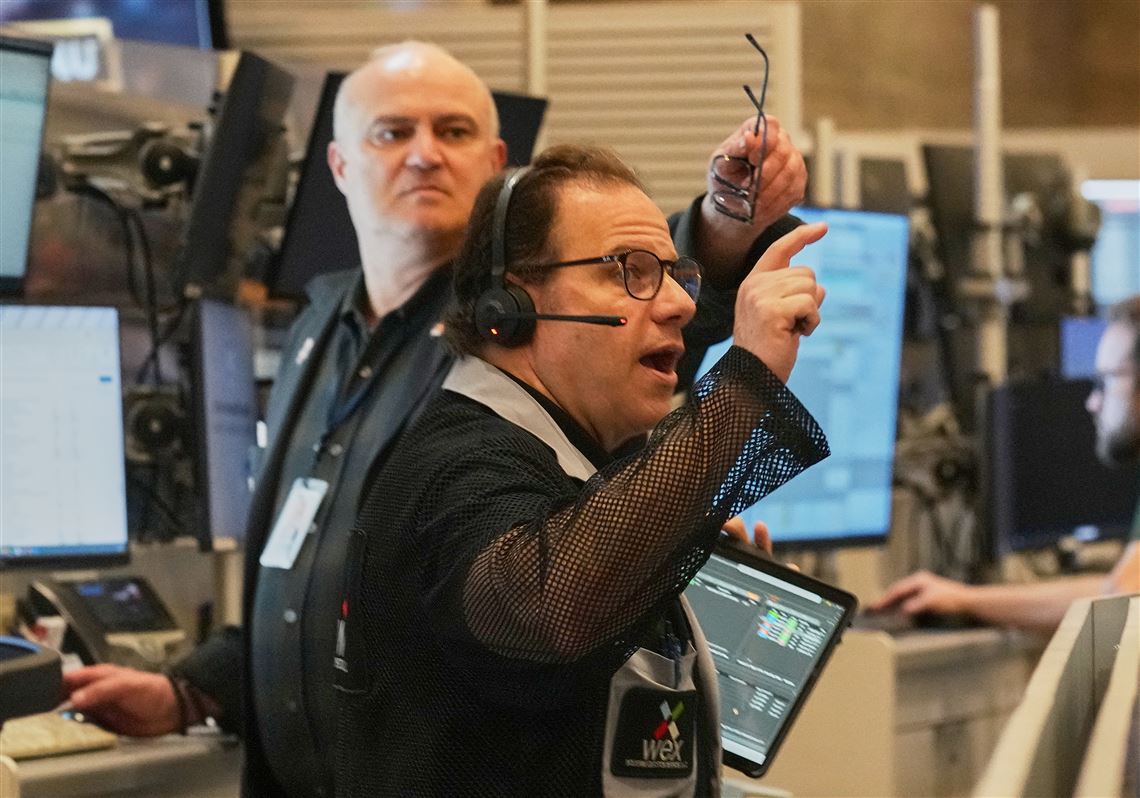
NEW YORK — Global financial markets suffered a sharp reversal on Monday as a sudden escalation of fighting in the Middle East shattered Wall Street’s record-breaking run. Investors rapidly pivoted toward defensive safe havens, driving crude oil prices higher and reigniting deep-seated anxieties over sticky inflation and the future path of global interest rates.
After weeks of hovering at all-time highs, the major U.S. stock indices closed firmly in the red. The sudden turn in market sentiment underscores the fragility of the current bull run, which has been heavily reliant on expectations of a smooth economic "soft landing" and imminent interest rate relief from the Federal Reserve.
Executive Summary: Today’s Market Realignment
- Equities Retreat: The S&P 500 and Nasdaq Composite pulled back from historic highs as risk-off sentiment dominated trading desks.
- Crude Oil Jumps: Brent and West Texas Intermediate (WTI) crude surged by over 3%, raising immediate concerns regarding energy supply chains and transport costs.
- Yields & Safe Havens: Treasury yields fluctuated wildly while gold climbed, reflecting a classic flight-to-safety posture among institutional investors.
- Corporate Pressure: Consumer staples and transport-heavy giants, including PepsiCo, faced early headwinds on fears of renewed logistics and packaging cost inflation.
The Catalyst: Middle East Clashes Spark Energy Supply Fears
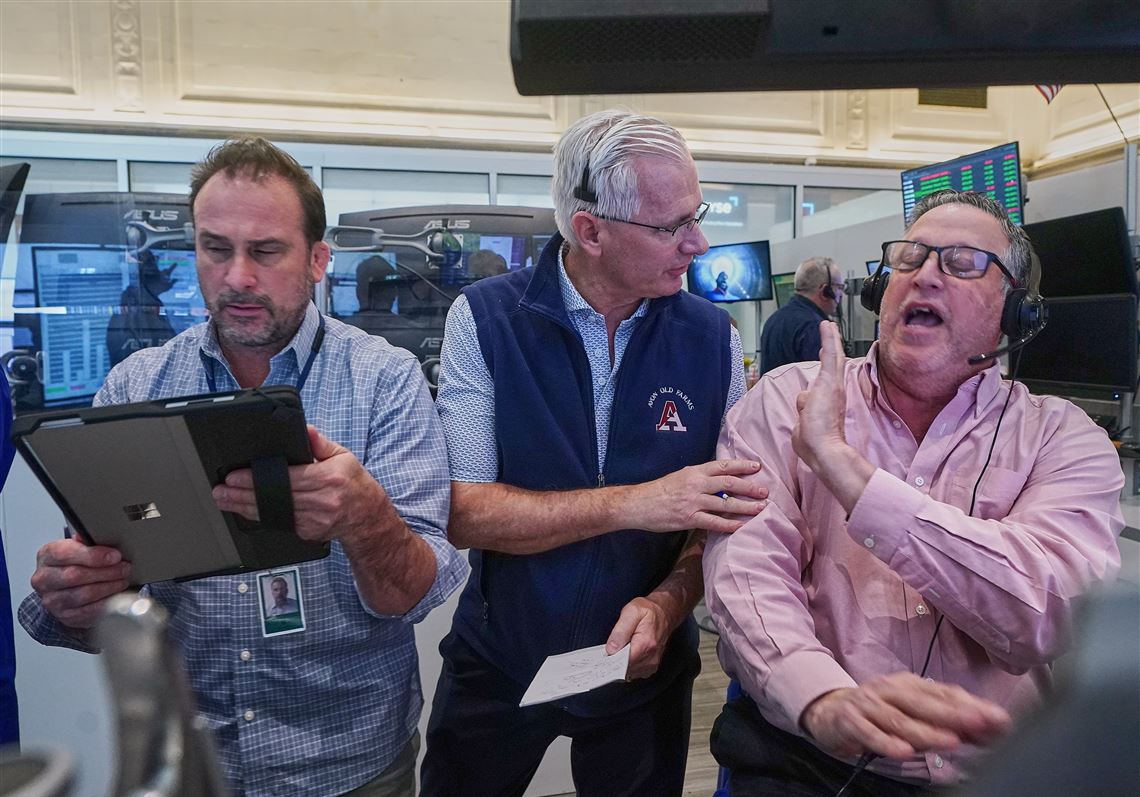
The primary driver behind Monday’s market pivot was a sudden and intense flare-up of hostilities in the Middle East. While regional friction has remained a persistent background noise for global markets, the scale and location of the latest clashes triggered automated buy-triggers in energy markets and prompted algorithmic selling across equity indices.
Oil traders reacted swiftly to the prospect of potential infrastructure disruptions near crucial transit chokepoints. Brent crude, the international benchmark, surged back toward critical psychological levels, while the U.S. benchmark, West Texas Intermediate (WTI), experienced its sharpest single-day percentage gain in weeks.
Market strategists warn that prolonged instability in the region could quickly dismantle the cooling inflation narrative that has fueled the 2026 equity rally. If energy prices remain elevated, the cost of manufacturing, shipping, and raw materials will inevitably tick upward, forcing multinational corporations to reconsider their margin projections for the second half of the fiscal year.
Market Dashboard: Key Movements on May 4, 2026
The following table outlines the closing performance of major indices and commodities following the afternoon trading session:
| Index / Commodity | Closing Price / Level | Daily Change ($) | Daily Change (%) |
|---|---|---|---|
| S&P 500 | 5,180.15 | -62.40 | -1.19% |
| Dow Jones Industrial Average | 38,985.50 | -310.20 | -0.79% |
| Nasdaq Composite | 16,085.10 | -244.30 | -1.50% |
| WTI Crude Oil (Nymex) | $81.45 | +$2.65 | +3.36% |
| Brent Crude Oil (ICE) | $85.90 | +$2.80 | +3.37% |
| Gold (Comex) | $2,345.80 | +$32.10 | +1.39% |
Wall Street's Reaction: Earnings Vulnerabilities Under the Microscope
The sell-off was not uniform, but it exposed key vulnerabilities across sectors that have driven the market's recent record-setting performance. Technology and growth stocks, which trade at premium valuations, bore the brunt of the index-level declines. The Nasdaq led the downward slide as market participants lock in profits ahead of what could be a highly volatile trading week.
Simultaneously, defensive sectors such as utilities and consumer staples showed mixed results. Companies heavily reliant on stable oil prices for packaging, shipping, and distribution—including consumer giants like PepsiCo—faced noticeable selling pressure. Higher fuel costs directly erode operating margins for global distributors, sparking concerns that companies may have to hike consumer prices yet again, potentially dampening volume growth.
Conversely, defense contractors and major oil producers saw localized rallies. Energy giants outperformed the broader market, acting as a natural hedge for institutional portfolios. However, market analysts emphasize that a rally driven purely by geopolitical risk premiums is rarely sustainable and often signals broader macroeconomic instability.
The Federal Reserve Dilemma: Will Sticky Inflation Delay Rate Cuts?
Beyond the immediate geopolitical headlines, the primary concern for institutional investors is how this energy shock will influence the Federal Reserve’s monetary policy. The central bank has repeatedly stated that its decision to cut interest rates is strictly "data-dependent."
With oil prices jumping, the risk of a secondary wave of supply-side inflation becomes highly probable. If energy costs push the Consumer Price Index (CPI) higher in the coming months, the Fed may be forced to keep interest rates "higher for longer," completely derailing the market's optimistic valuation models built around multiple rate cuts in 2026.
"The market was priced for perfection, assuming geopolitical risks were contained and inflation was on a one-way street downward," noted a senior portfolio manager in New York. "Today's flare-up is a stark reminder that supply shocks remain the biggest threat to this bull market. If oil stays above $85, the Fed's job becomes infinitely more complicated."
What to Watch Next
In the coming days, market participants will closely monitor diplomatic developments in the Middle East to assess whether the conflict will remain contained or threaten wider regional supply networks. Furthermore, upcoming consumer inflation data and retail sales figures will serve as crucial indicators of how well the consumer is holding up under persistent macroeconomic pressures.
For now, Wall Street appears to have entered a period of consolidation. While the fundamental drivers of the U.S. economy remain relatively resilient, the return of geopolitical volatility suggests that the path forward for equities will be marked by heightened swings and defensive positioning.
Frequently Asked Questions (FAQ)
1. Why do Middle East conflicts have such a direct impact on U.S. stock markets?
The Middle East is home to some of the world's largest oil-producing nations and critical maritime shipping channels, such as the Strait of Hormuz. Any escalation in fighting raises the risk of supply disruptions. Because energy is a foundational input cost for almost every sector of the global economy, rising oil prices lead to increased manufacturing, transportation, and consumer costs, which dampens corporate earnings and feeds into broader inflation.
2. How should individual investors respond to this sudden market dip?
Financial advisors generally caution retail investors against making knee-jerk portfolio adjustments based on short-term geopolitical events. While market volatility can be unsettling, historical data shows that geopolitical shocks tend to have a temporary impact on broad equity indices. Maintaining a diversified portfolio, focusing on quality companies with strong balance sheets, and keeping a long-term investment horizon remain the standard defense against temporary market corrections.