Executive Takeaways
- Critical Loss: Starfish Space has officially lost telemetry and command contact with its Otter Pup spacecraft, effectively terminating the pioneering satellite inspection mission.
- Commercial & Capital Stakes: The failure hits the nascent orbital logistics sector at a fragile time, forcing venture capital backers and institutional investors to reassess risk mitigation and capital allocation strategies for deep-tech hardware.
- Infrastructure Vulnerability: The incident underscores the severe technological hurdles and high-beta risks inherent in developing scalable, autonomous spacecraft life-extension architectures.
- Regulatory Scrutiny: Space Traffic Management (STM) and Federal Communications Commission (FCC) authorities will likely scrutinize the orbital debris implications as the unguided Otter Pup drifts in low-Earth orbit.
The Anatomy of an Orbital Failure: How Starfish Space Lost the Otter
Test Our Free AI & Tech Utilities Suite
Calculate LLM API token costs, analyze article dwell-time, or simulate tech DCA returns.
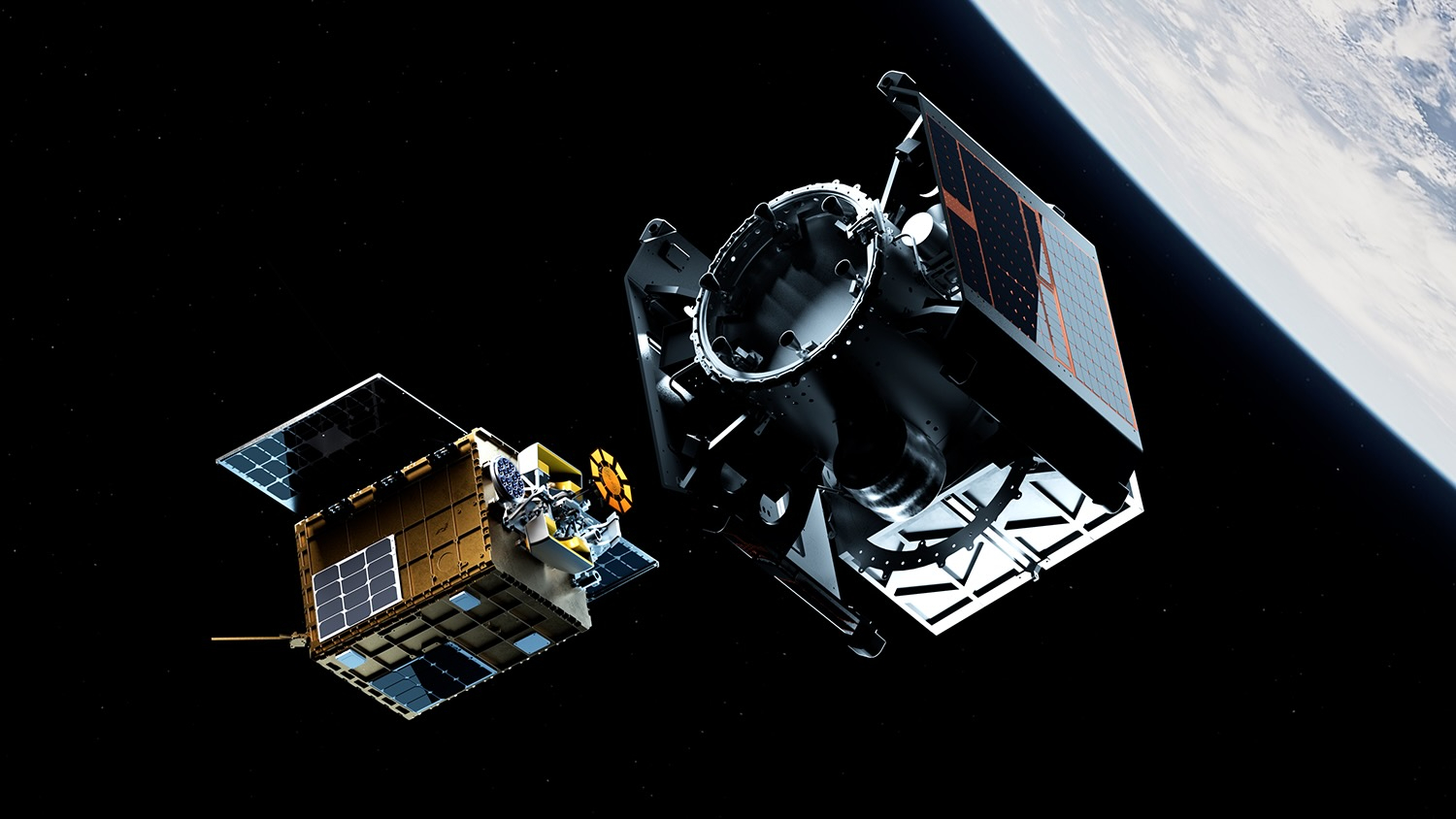
In the unforgiving vacuum of low-Earth orbit (LEO), margins for error are measured in milliseconds and fractions of a Newton. For Seattle-based aerospace startup Starfish Space, those margins vanished during a routine proximity operations maneuver. Industry insiders and telemetry analysts confirmed that the company’s flagship servicing vehicle, the Otter (specifically deploying its smaller demonstration payload, the Otter Pup), experienced a catastrophic loss of command link and telemetry data, bringing a high-visibility satellite inspection mission to an abrupt halt.
The mission was designed to serve as a bellwether for the commercial viability of orbital logistics—a burgeoning sector promised to unlock trillions in enterprise ROI by extending the operational lifespan of legacy geostationary and low-Earth orbit assets. Starfish Space, founded by former Blue Origin and SpaceX propulsion engineers, had positioned the Otter as a modular, cost-effective solution to the multi-billion-dollar problem of orbital debris and satellite obsolescence. By demonstrating autonomous rendezvous, proximity operations, and docking (RPOD) capabilities, the company aimed to secure lucrative enterprise contracts and validate its underlying cloud compute architecture for autonomous flight navigation.
However, the sudden communication blackout highlights the acute volatility of early-stage space infrastructure development. While venture capital deployment into commercial space tech has seen cycles of exuberance, physical hardware in hostile thermal and radiation environments remains ruthlessly unforgiving. The loss of the Otter spacecraft not only halts an active flight-heritage campaign but also forces a profound reassessment of valuation multiples across the entire NewSpace economy.
Catalytic Events and the Road to the Blackout
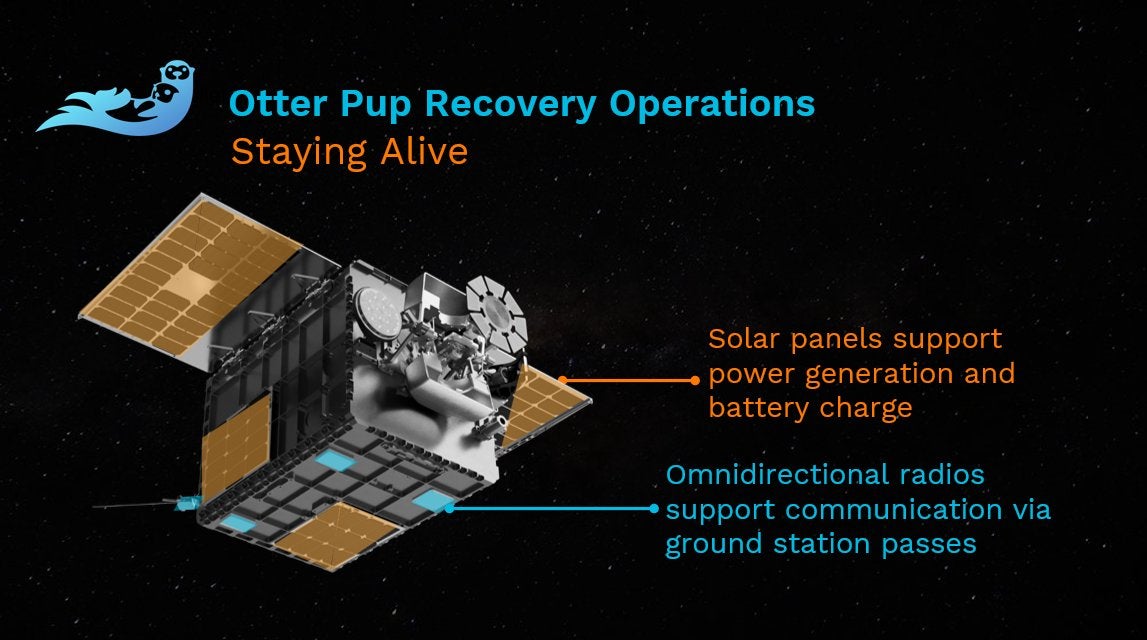
To understand the systemic impact of the Otter mission termination, one must examine the timeline of events leading up to the anomaly. Launched to validate critical software algorithms and propulsion subsystems, the Otter Pup was deployed to perform close-range imaging and inspection of a designated client asset. Proximity operations represent the holy grail of orbital servicing—requiring real-time sensor fusion, hyper-precise relative navigation, and fail-safe autonomy that bypasses the latency of ground-station command loops.
According to preliminary technical post-mortems circulating within aerospace engineering circles, the anomaly occurred during a critical phase of orbital phasing. Whether the root cause stems from a power system failure, a software fault within the autonomous navigation stack, or an unexpected single-event upset (SEU) induced by cosmic radiation remains under rigorous investigation by Starfish Space’s engineering task force. What is indisputable is that the loss of carrier lock rendered ground controllers powerless to execute contingency maneuvers or reboot onboard flight computers.
For institutional investors and corporate venture capital arms backing the enterprise, this event serves as a stark reminder of the high-beta risk profile defining commercial space. Unlike terrestrial software deployment—where iterative patching occurs via continuous integration and continuous deployment (CI/CD) pipelines—orbital hardware demands absolute perfection on the first try, or access to exorbitantly expensive on-orbit redundancy.
Verified Data and Mission Specifications Breakdown
| Metric / Parameter | Otter / Otter Pup Specification | Strategic Implication |
|---|---|---|
| Mission Objective | Satellite inspection, RPOD demonstration, and life-extension validation | Validates core IP for future commercial life-extension contracts. |
| Primary Orbit | Low-Earth Orbit (LEO) | Exposes hardware to high atmospheric drag and dense debris populations. |
| Core Technology | Modular electric propulsion & autonomous rendezvous software | Represents the primary valuation driver for enterprise equity rounds. |
| Current Status | Total telemetry loss; mission terminated prematurely | Triggers immediate insurance underwriting reviews and capital restructuring. |
| Regulatory Oversight | FCC licensing & orbital debris mitigation compliance | Accelerates demands for stricter Space Traffic Management protocols. |
Industry and Market Implications: Winners, Losers, and Economic Ripples
The premature conclusion of the Starfish Space mission reverberates far beyond the company’s Seattle headquarters, casting a long shadow over the broader orbital logistics and satellite servicing sector. As commercial operators seek ways to maximize asset utilization and maintain regulatory compliance regarding orbital debris, the market was banking heavily on successful demonstrations of active debris removal and satellite life extension.
Who Loses: Short-Term Market Sentiment and Capital Access
- Early-Stage Hardware Startups: Venture capitalists writing checks for pre-revenue orbital technology firms will face increased pressure from limited partners (LPs) to demand stricter risk mitigation protocols and more conservative milestone-based capital disbursement.
- In-Orbit Servicing Competitors: While rival firms working on similar RPOD architectures may capture short-term market share attention, the entire sector suffers from a collective dampening of investor enthusiasm and potentially hardening insurance premiums.
- Insurers and Underwriters: Space insurance markets—already grappling with rising satellite constellation losses and frequency of anomalies—will likely increase premiums for rendezvous and docking missions, impacting project finance models.
Who Wins: Established Aerospace Primes and Conservative Architectures
- Traditional Aerospace Contractors: Well-capitalized defense and aerospace primes with deep legacy engineering experience in station-keeping and government-backed logistics may absorb market confidence as safer, albeit more conservative, investment plays.
- Component and Subsystem Vendors: Suppliers specializing in radiation-hardened microelectronics, fault-tolerant flight computers, and redundant telemetry hardware will see heightened demand as startups prioritize risk reduction over lean-agile shortcuts.
From a macroeconomic perspective, this event underscores the friction between Silicon Valley’s "fail fast, break things" ethos and the unforgiving physics of orbital mechanics. In software, a bug triggers a patch; in orbit, a bug can permanently strand multi-million-dollar capital assets.
People Also Ask (FAQ)
What caused Starfish Space to lose contact with the Otter spacecraft?
While formal technical investigations are ongoing, the loss of contact occurred during proximity operations and orbital maneuvering. Aerospace analysts point to potential anomalies in power systems, autonomous navigation software stacks, or radiation-induced hardware faults that disrupted the command and telemetry carrier link.
What is the primary function of the Otter and Otter Pup spacecraft?
The Otter vehicle is designed for orbital transfer and satellite servicing, while the Otter Pup served as a technology demonstration payload intended to perform close-range inspection, rendezvous, and docking (RPOD) maneuvers to validate autonomous life-extension capabilities for commercial satellites.
How does this failure impact the commercial satellite servicing market?
The mission termination introduces a temporary chill to venture capital funding and insurance underwriting within the orbital logistics sector. Investors are likely to demand enhanced risk mitigation, higher hardware redundancy, and more rigorous ground-testing milestones before deploying capital into similar deep-tech ventures.
Will the stranded Otter Pup pose an orbital debris hazard?
Starfish Space designed the mission with standard orbital debris mitigation frameworks in mind. However, because telemetry and command control have been severed, the vehicle will rely on natural atmospheric drag and pre-calculated orbital decay timelines to safely burn up upon re-entry, subject to ongoing tracking by space situational awareness networks.
Future Outlook: Strategic Milestones and Industry Transformation
As Starfish Space pivots from flight operations to exhaustive root-cause analysis, the broader commercial space industry stands at a crucial inflection point. The narrative surrounding orbital servicing is shifting from unbridled technological optimism to a disciplined focus on engineering resilience, financial sustainability, and robust risk management.
Key milestones to monitor across the sector in the coming quarters include:
- Post-Mortem Transparency: How transparently aerospace startups share anomaly data will dictate whether institutional capital flees the sector or matures alongside it.
- Insurance Market Adjustments: The pricing and availability of launch and in-orbit liability policies will serve as a definitive barometer of market health.
- Regulatory Pressures: Expect heightened scrutiny from the Federal Communications Commission (FCC) and international bodies regarding autonomous maneuverability and end-of-life disposal mandates for experimental spacecraft.
Ultimately, the termination of the Otter mission is not a death knell for orbital servicing, but a painful, necessary crucible. The economics of space infrastructure demand faultless execution, and companies that successfully integrate rigorous systems engineering with commercial agility will ultimately capture the vast, untapped wealth of the orbital economy.