Executive Takeaways
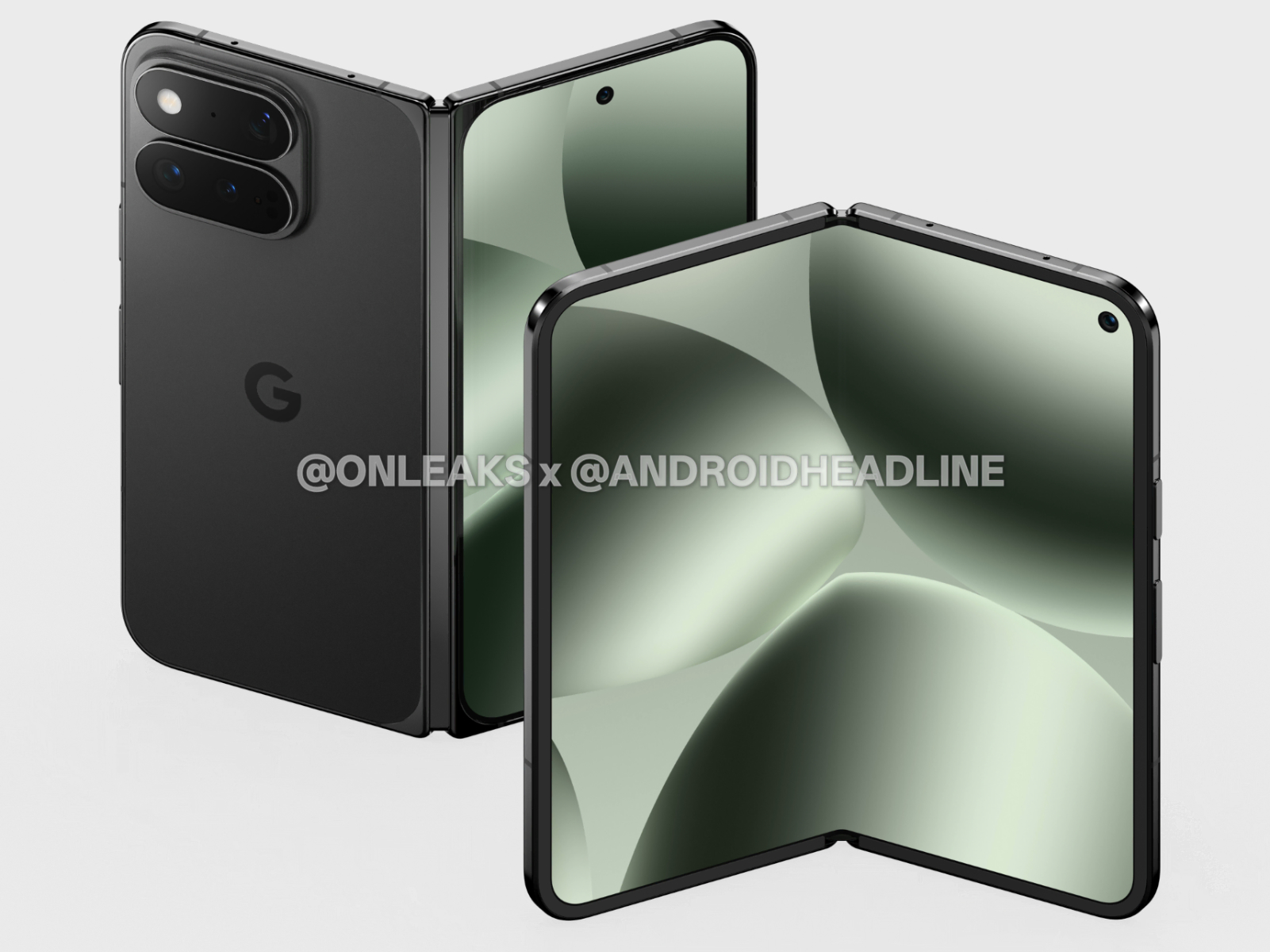
- The Form Factor Shift: Google’s engineering roadmap for the Pixel 11 Pro Fold abandons narrow, remote-control-style covers in favor of a wider, sturdier landscape-first rectangle.
- Enterprise & Productivity Impact: The expanded outer aspect ratio dramatically improves typing ergonomics and enterprise software usability without forcing users to unfold the device for routine tasks.
Supply Chain & Capital Allocation: Component sourcing indicates heavy investment in ultra-thin hinge durability, proprietary Tensor silicon architecture, and optimized multi-window scaling infrastructure. - Competitive Valuation Pressures: This strategic re-engineering places direct valuation and market-share pressure on rival foldable ecosystems struggling with awkward ergonomics and high return rates.
For nearly half a decade, the foldable smartphone market has been trapped in a design purgatory defined by narrow, vertical outer displays. Consumers and enterprise professionals alike have long complained about outer screens that feel more like TV remotes than functional keyboards—forcing premature unfolding for even the most trivial tasks. Today, internal wire leaks and supply chain intelligence from Google’s hardware division confirm a decisive break from this convention. The forthcoming Pixel 11 Pro Fold arrives with a radical conceptual brief: a sturdy, confidence-inspiring rectangle engineered for a wide, wide world.
As financial markets scrutinize hardware margins and smartphone replacement cycles lengthen, Google’s hardware leadership is betting that ergonomics and structural integrity will drive the next wave of enterprise upgrades and consumer adoption. This investigative report breaks down the architectural shifts, supply chain realities, market implications, and strategic valuation impacts surrounding the Pixel 11 Pro Fold.
The Genesis of the "Sturdy Rectangle" Design Philosophy
Test Our Free AI & Tech Utilities Suite
Calculate LLM API token costs, analyze article dwell-time, or simulate tech DCA returns.
When Google entered the foldable arena, it initially followed the path of least resistance set by early industry pioneers. The original Pixel Fold adopted a passport-like, shorter, and wider posture that, while praised for its pocketability, created unique software scaling challenges. Subsequent iterations flirted with industry-standard taller ratios to appease traditionalists, but user telemetry and enterprise feedback told a different story. Professionals demanded a device that could function as a traditional slab phone when closed, yet blossom into a pristine productivity canvas when opened.
The Pixel 11 Pro Fold represents the maturation of this hardware philosophy. By engineering a wider chassis, Google’s industrial design team has solved one of the most stubborn UX bottlenecks in mobile computing: the cramped outer keyboard. Enterprise users interacting with CRM portals, financial terminals, and secure messaging apps can now execute complex workflows on the cover screen with zero layout distortion or fat-finger input errors.
Furthermore, structural engineering reports indicate a significant pivot toward robust titanium-infused alloy framing and a redesigned, multi-cam hinge mechanism. This directly mitigates historical risk factors associated with foldable durability, lowering long-term total cost of ownership (TCO) for enterprise deployment fleets and reducing corporate warranty claims.
Infrastructure Scalability and Silicon Integration
Hardware form factor evolution cannot occur in a vacuum; it requires deep synchronization between silicon architecture and operating system optimization. The Pixel 11 Pro Fold will debut alongside advanced iterations of Google’s proprietary Tensor processing units, engineered specifically to handle dynamic display transitions and split-screen memory management with zero latency.
From a cloud compute architecture and enterprise compliance perspective, the device integrates advanced hardware-based security modules. As institutional investors increasingly prioritize robust cybersecurity frameworks, Google’s end-to-end control over both silicon and software provides a distinct competitive moat. Multi-window virtualization on the expanded inner display now supports fluid drag-and-drop data transfer between enterprise resource planning (ERP) suites and communication nodes, unlocking measurable operational efficiencies.
Comparative Hardware Metrics & Technical Specifications
| Metric / Specification | Previous Generation Fold | Pixel 11 Pro Fold (Target Specs) | Strategic Impact |
|---|---|---|---|
| Cover Screen Aspect Ratio | Narrow / Tall (Approx. 21:9) | Wide Landscape Rectangle (Approx. 16:9 / 17:9) | Eliminates cramped typing; matches standard app design parameters. |
| Hinge Durability Rating | Standard Fluid Friction Hinge | Next-Gen Liquid Metal / Titanium Alloy Multi-Cam | Mitigates physical wear; enhances enterprise risk mitigation. |
| Silicon Architecture | Tensor G-Series (Gen 3/4) | Advanced Custom Tensor Multi-Core NPU | Optimizes on-device AI processing and multi-window rendering. |
| Target Market Segment | Early Adopters / Enthusiasts | Enterprise Professionals & Power Users | Expands addressable market into high-margin B2B verticals. |
Industry & Market Implications: Winners, Losers, and Capital Allocation
The pivot toward a wider, sturdier rectangle by the dominant Android ecosystem orchestrator sends immediate shockwaves across the global mobile hardware landscape. Market liquidity and capital allocation among component suppliers are shifting rapidly toward specialized ultra-thin glass (UTG) manufacturers and advanced hinge engineers.
Who Wins
- Enterprise Procurement Teams: Organizations seeking ruggedized yet sophisticated productivity tools finally gain a foldable device that does not compromise on single-handed usability.
- Software Developers: The standardization around a wider cover aspect ratio reduces fragmented UI testing requirements, accelerating enterprise app deployment.
- Google’s Hardware Division: By capturing higher-margin enterprise contracts, Google solidifies its hardware monetization strategy beyond advertising revenues.
Who Loses
- Legacy Foldable Competitors: Brands stubbornly clinging to awkward, narrow vertical cover screens face immediate consumer obsolescence and compressed valuation multiples.
- Traditional Slab Phone Manufacturers: Premium bar-form flagships face heightened substitution risk as the functional gap between standard phones and foldable powerhouses narrows.
Frequently Asked Questions (People Also Ask)
Why is Google shifting to a wider aspect ratio for the Pixel 11 Pro Fold?
Consumer telemetry and enterprise feedback revealed that narrow, tall cover screens created significant typing friction and forced unnecessary unfolding. The wider, sturdy rectangular design allows the device to function seamlessly as a standard smartphone when closed while providing an optimized landscape canvas when opened.
How does this form factor impact enterprise ROI and deployment?
Improved outer-screen ergonomics allow field agents, financial analysts, and corporate executives to complete complex data entry and communication tasks without opening the device. Combined with enhanced hinge durability and superior multi-window software scalability, this lowers long-term fleet replacement costs and drives favorable enterprise ROI.
What structural improvements are being made to address foldable durability concerns?
Supply chain intelligence points toward the integration of advanced titanium-alloy framing, refined multi-cam zero-gap hinges, and next-generation ultra-thin glass protection layers designed to withstand rigorous daily enterprise environments.
When is the official market release expected, and how will it affect industry valuation multiples?
While official pricing and availability schedules align with Google’s traditional autumn hardware rollout cycles, early enterprise sampling has already begun. Successful execution of this form factor is expected to re-rate premium hardware valuation multiples as foldables transition from niche luxury items to mainstream enterprise essentials.
Future Outlook and Strategic Milestones
As the smartphone industry navigates a mature super-cycle, innovation can no longer rely on incremental camera bumps or minor processor speed increases. Form factor re-engineering—exemplified by the Pixel 11 Pro Fold’s embrace of a sturdy, wide rectangle—represents the new frontier of hardware differentiation.
Key milestones to monitor over the coming quarters include component yield reports from tier-1 display manufacturers, enterprise beta deployment feedback metrics, and competitive responses from rival original equipment manufacturers (OEMs). If Google successfully executes this hardware pivot, the Pixel 11 Pro Fold will not merely capture market share; it will permanently redefine what enterprise and consumer markets expect from a foldable computing device in a wide, wide world.