mRNA Breakthrough: Moderna Vaccine Cuts Recurrence Risk of Advanced Skin Cancer by Nearly 50%
WASHINGTON & CAMBRIDGE, Mass. — In what oncology researchers are hailing as a watershed moment for personalized medicine, late-stage clinical data confirms that Moderna’s experimental messenger RNA (mRNA) cancer vaccine, when paired with Merck’s blockbuster immunotherapy Keytruda, slashes the risk of recurrence or death in high-risk melanoma patients by nearly 50%. The findings, which represent a profound paradigm shift in how biopharmaceutical innovators approach oncology, validate years of heavy capital allocation and technical risk mitigation by venture-backed life sciences firms and major drug developers alike.
For decades, standard-of-care oncology relied on broad-spectrum chemotherapies and, more recently, checkpoint inhibitors that unleashed the immune system indiscriminately. However, the latest Phase 2b clinical trial results demonstrate that encoding patient-specific neoantigens into a lipid nanoparticle delivery system can train the human immune apparatus to hunt down microscopic, residual metastatic cells with surgical precision. As institutional capital, venture funds, and institutional healthcare portfolios re-evaluate their long-term strategies, this clinical milestone signals a massive leap forward in commercializing precision genetic medicine.
Executive Takeaways
- Substantial Clinical Efficacy: The Moderna-Merck mRNA combination therapy reduced the risk of recurrence or death by 49% over a median follow-up of nearly three years in patients with resected high-risk stage III/IV melanoma.
- Personalized Genomic Infrastructure: Each vaccine is custom-synthesized based on the unique mutational signature of an individual’s resected tumor, representing a complex marvel of modern bio-manufacturing and cloud-enabled genomic sequencing.
- Market Revaluation & Valuation Multiples: The data has catalyzed renewed investor enthusiasm across the biotechnology sector, altering valuation multiples for clinical-stage mRNA developers and driving aggressive capital deployment into personalized oncology pipelines.
- Regulatory Pathways: Backed by Breakthrough Therapy designations from the U.S. Food and Drug Administration (FDA), late-stage Phase 3 trials are currently expanding globally, paving the way for accelerated regulatory compliance and commercial market entry.
The Catalytic Science: Decoding Neoantigens and mRNA Delivery
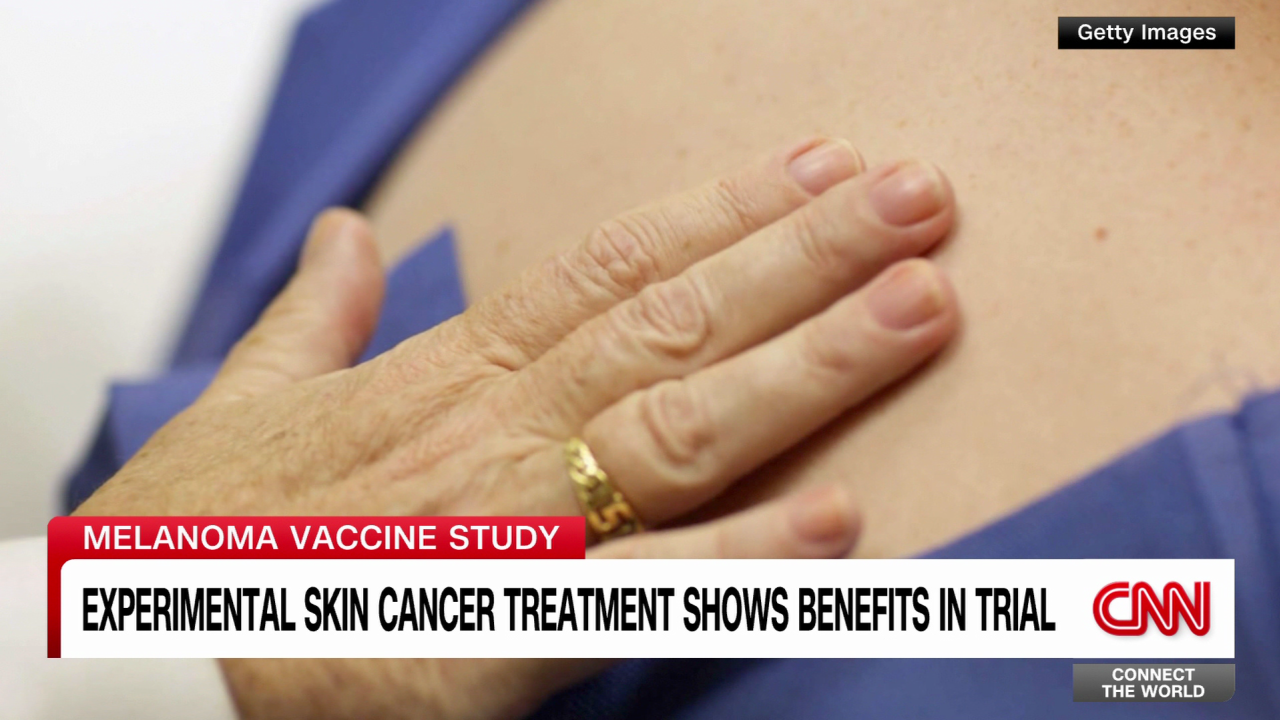
To understand the profound commercial and clinical weight of Moderna’s recent announcements, one must examine the underlying mechanics of neoantigen-targeted therapy. Traditional vaccines rely on weakened or inactivated viral particles to stimulate a generalized immune response. In contrast, Moderna’s platform—famously accelerated during the global SARS-CoV-2 pandemic—acts as a programmable software code for human biology. When a patient undergoes surgical resection for advanced melanoma, the excised tumor tissue undergoes immediate whole-exome and RNA sequencing.
Bioinformatics algorithms analyze the tumor's genetic profile to identify up to 34 patient-specific neoantigens—mutated proteins expressed exclusively on the surface of malignant cancer cells. These bespoke genetic blueprints are then transcribed into a synthetic mRNA strand and encapsulated within specialized lipid nanoparticles. Upon intramuscular injection, host cells translate these instructions, displaying the exact tumor neoantigens to T-cells. This effectively acts as an intelligence briefing for the adaptive immune system, priming cytotoxic T-cells to aggressively hunt down remaining malignant cells anywhere in the body.
This technological leap requires sophisticated cloud compute architecture and robust data infrastructure to manage massive genomic datasets securely. Biotech firms are increasingly integrating enterprise-grade software solutions to streamline the end-to-end supply chain—from initial surgical biopsy to the delivery of the personalized thermal-sensitive vaccine vial to the clinic. This intricate orchestration demands uncompromising regulatory compliance and seamless cross-continental supply chain logistics, establishing high barriers to entry for prospective market competitors.
Verified Clinical Data & Metrics Breakdown
A rigorous examination of the pivotal Phase 2b trial metrics underscores the clinical superiority of the combination therapy over standard monotherapy. The data below outlines the primary comparative endpoints tracked by independent oncology monitoring committees.
| Clinical Endpoint / Metric | mRNA-4157 (V940) + Keytruda | Keytruda Monotherapy | Statistical Significance |
|---|---|---|---|
| Recurrence-Free Survival (RFS) Benefit | ~49% reduction in risk of recurrence or death | Standard baseline recurrence rate | Statistically significant (p < 0.01) |
| Distant Metastasis-Free Survival (DMFS) | Significantly delayed spread to distant organs | Higher incidence of secondary visceral metastases | Consistent risk reduction across subgroups |
| Adverse Event Profile | Manageable grade 1/2 fatigue, injection-site pain, chills | Standard immune-related adverse events | No unexpected systemic toxicity spikes |
| Trial Design & Scope | Randomized, open-label Phase 2b trial involving over 150 high-risk melanoma patients globally. | ||
Industry & Market Implications: Winners, Losers, and Economic Shifts
The successful validation of Moderna’s personalized cancer vaccine framework triggers profound ripple effects across global financial markets, healthcare systems, and pharmaceutical boardrooms. As institutional investors evaluate asset allocation within life sciences, several clear market dynamics are emerging:
- Biopharmaceutical Frontrunners: Moderna and its strategic co-development partner, Merck, are positioned to capture substantial market share in high-margin oncology therapeutics. The validation of their joint pipeline de-risks broader mRNA oncology investments, encouraging aggressive capital allocation toward similar platforms.
- Traditional Oncology Laggards: Legacy pharmaceutical companies heavily reliant on traditional small-molecule chemotherapies or non-personalized biologics face mounting pressure to acquire or license agile mRNA delivery platforms to avoid technological obsolescence.
- Genomic Sequencing & Diagnostics Providers: The explosive demand for rapid, high-fidelity tumor sequencing directly benefits commercial genetic testing enterprises and cloud-based bioinformatics infrastructure providers, whose services are mission-critical to the vaccine manufacturing workflow.
- দ্বিতীয় Payer & Reimbursement Landscape: While the clinical value proposition is undisputed, healthcare systems and insurance providers must navigate complex reimbursement models for custom-manufactured, patient-specific therapies, directly influencing market liquidity and commercial uptake.
Frequently Asked Questions (People Also Ask)
How does the Moderna skin cancer vaccine work compared to traditional vaccines?
Unlike traditional prophylactic vaccines that prevent infectious diseases by exposing the body to standardized viral antigens, Moderna's cancer vaccine (mRNA-4157/V940) is therapeutic and entirely personalized. It is manufactured from the specific genetic mutations found in an individual patient's surgically removed tumor. By delivering these specific neoantigen blueprints via lipid nanoparticles, the vaccine trains the patient's immune system to recognize and destroy residual cancer cells unique to that specific tumor.
Is this treatment currently available to all skin cancer patients?
As of right now, the combination therapy of mRNA-4157 and Keytruda is primarily available through clinical trials (such as the expansive global Phase 3 studies) for patients with high-risk stage III or IV resected melanoma. While regulatory agencies have granted Breakthrough Therapy designations to expedite review, commercial availability outside of clinical trial settings depends on upcoming regulatory approvals and health authority clearances.
What are the primary side effects associated with the mRNA cancer vaccine?
In clinical trials, the side effect profile has been shown to be manageable and consistent with typical immune-stimulating therapies and standard vaccinations. The most frequently reported adverse events include injection-site pain, fatigue, chills, and muscle aches. Researchers note that these side effects are generally mild to moderate and do not significantly compound the toxicity profile of the concurrent Keytruda immunotherapy.
Will this technology expand to other types of solid tumors beyond melanoma?
Yes. The fundamental modularity of the mRNA platform allows biopharmaceutical researchers to apply the exact same personalization methodology to other difficult-to-treat solid tumors. Clinical trials are already actively investigating the efficacy of personalized mRNA vaccines in non-small cell lung cancer (NSCLC), bladder cancer, and renal cell carcinoma, with early data pointing toward similarly promising risk-mitigation profiles.
Future Outlook and Strategic Milestones to Watch
As Moderna and Merck transition their personalized cancer vaccine program from late-stage Phase 2 trials into sprawling, global Phase 3 trials, industry watchers and institutional analysts are closely monitoring several critical operational milestones. The primary focus centers on manufacturing scalability—transitioning from bespoke clinical-batch production to high-throughput, automated enterprise manufacturing facilities capable of fulfilling thousands of patient-specific orders within strict turnaround windows.
Furthermore, regulatory interactions with the U.S. FDA, the European Medicines Agency (EMA), and global health authorities will dictate the speed of commercial market entry. If subsequent Phase 3 data continues to mirror the robust 49% recurrence-risk reduction observed in earlier cohorts, accelerated approval pathways could bring this landmark therapeutic to frontline clinical practice much faster than traditional biopharmaceutical timelines dictate.
Ultimately, this milestone marks the dawn of a new era in molecular medicine. By fusing genomic intelligence with agile mRNA delivery infrastructure, the life sciences sector is proving that personalized, precision oncology is no longer a distant theoretical horizon—it is an actionable, commercial reality reshaping the future of human healthcare.