Inside inMusic’s High-Stakes Pivot: How Opening the MPC Ecosystem to Coders is Reshaping the Music Technology Market
Test Our Free AI & Tech Utilities Suite
Calculate LLM API token costs, analyze article dwell-time, or simulate tech DCA returns.
Executive Takeaways
- Ecosystem Democratization: inMusic is officially opening its proprietary MPC (Music Production Center) architecture to external developers, coders, and software engineers, marking a historic shift from closed-box hardware to modular, extensible systems.
- Capital Allocation & Valuation Multiples: By transitioning hardware assets into software-extendable platforms, inMusic is targeting recurring revenue models and enhanced enterprise valuation multiples akin to SaaS companies.
- Hardware-Software Convergence: New developer-friendly gear drops bridge the gap between embedded systems programming (C++/Python) and traditional beat-making, unlocking unprecedented infrastructure scalability for live performers and studio producers.
- Competitive Disruption: The move pressures legacy rivals like Native Instruments, Ableton, and Roland to rethink their proprietary moats, sparking a new wave of open-source and community-driven music infrastructure development.
For more than three decades, the Akai Professional MPC stood as the ultimate citadel of closed-system audio engineering—a revered, self-contained monolith where beat-makers traded software versatility for hardware rock-solid stability. Today, that fortress is opening its gates. In a strategic pivot that is sending shockwaves through the consumer electronics and music technology sectors, parent company inMusic Brands is officially flinging open the hood of its flagship MPC hardware and software ecosystem. By inviting third-party coders, software developers, and hardware hackers into its proprietary domain, inMusic is executing a masterclass in platformization, turning standalone samplers into programmable, modular canvases.
To understand the magnitude of this shift, one must analyze the broader macroeconomic pressures facing specialized hardware manufacturers. In an era defined by compressed consumer discretionary spending, rising semiconductor supply chain costs, and shifting consumer preferences toward software-driven flexibility, relying solely on one-off hardware sales presents a precarious path for enterprise ROI. By pivoting toward an extensible architecture where developers can build, deploy, and monetize custom modifications ("mods"), plugins, and workflow interfaces directly onto MPC hardware, inMusic is positioning its portfolio for long-term ecosystem lock-in, recurring software monetization streams, and robust infrastructure scalability.
The Catalytic Shift: From Closed-Box Hardware to Programmable Ecosystems
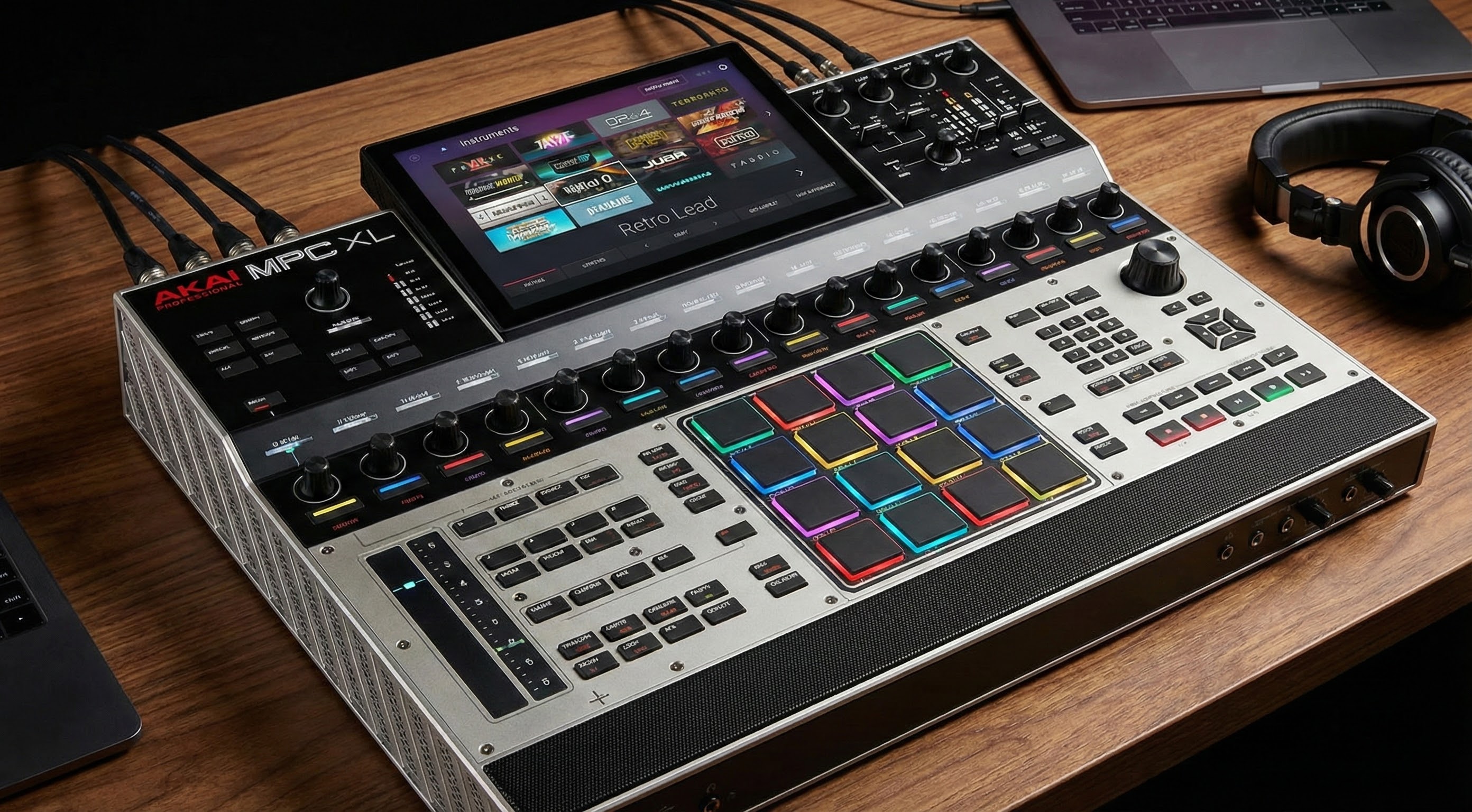
The genesis of inMusic’s open-architecture strategy did not happen in a vacuum. Over the past five years, the modding community—operating largely in legal and technical gray areas—has utilized reverse-engineering techniques to unlock hidden processing power, alter user interfaces, and introduce custom sequencing algorithms to legacy and modern MPC units. Rather than deploying aggressive intellectual property litigation or locking down firmware with draconian digital rights management (DRM), inMusic’s executive leadership recognized an underutilized market dynamic: community-driven development scales product utility at zero marginal cost to the parent company.
By officially opening up the software development kit (SDK) and releasing developer-centric hardware configurations, inMusic is mitigating regulatory and operational risks while outsourcing innovation to a global collective of software engineers and audio enthusiasts. This strategy mirrors the enterprise software playbook, where companies like Salesforce and Apple built trillion-dollar valuations not merely by selling core products, but by fostering vibrant, third-party developer marketplaces.
Industry analysts point out that this transition fundamentally alters inMusic’s risk profile. Historically, hardware manufacturing exposes firms to severe inventory obsolescence risks, volatile component pricing, and stringent regulatory compliance hurdles regarding electromagnetic interference and hazardous materials. By transitioning a portion of its value proposition to developer-friendly codebases, cloud-connected patch management, and modular software add-ons, inMusic is injecting software-grade margins into a traditional hardware business model.
Market Dynamics and Competitive Landscape
The announcement immediately alters the competitive dynamics of the global music production hardware market, which has long been characterized by walled gardens. Competitors such as Native Instruments with its Maschine ecosystem, Ableton with Push, and Roland with its AIRA series have traditionally kept their firmware tightly controlled to ensure system stability. However, stability often breeds stagnation.
By empowering coders to write custom C++ and Python-based scripts, DSP (Digital Signal Processing) algorithms, and custom graphical user interface (GUI) skins that run natively on modern MPC touchscreens, inMusic is offering a value proposition that rivals cannot easily replicate without rewriting their core system architectures.
| Metric / Dimension | Legacy Closed Architecture (Pre-2024) | inMusic Open-MPC Model (Current) |
|---|---|---|
| Developer Access | Internal R&D teams only; closed firmware. | Public SDK, documented APIs, and developer portals. |
| Revenue Model | One-time hardware transaction; occasional paid expansions. | Hardware sales + marketplace transaction fees on third-party mods. |
| Innovation Velocity | Slow, centralized update cycles (firmware updates every 6–12 months). | Rapid, crowdsourced feature deployment via developer community. |
| Valuation Multiples | Traditional manufacturing multiples (low-to-mid EBITDA). | Hybrid hardware-SaaS valuation potential. |
This structural evolution positions inMusic to capture high-margin revenue streams through an anticipated app and mod marketplace. Much like Apple's App Store or Steam for PC gaming, inMusic can curate third-party developer offerings, taking a percentage of each transaction while insulating itself from the heavy lifting of feature creation.
Industry & Market Implications: Who Wins, Who Loses
The democratization of the MPC platform creates distinct structural winners and losers across the audio technology ecosystem:
- Winners: Independent Developers and Boutique Audio Tech Startups. Programmers and DSP engineers who previously lacked the capital to manufacture standalone hardware can now deploy their software algorithms directly onto millions of existing MPC touchpoints worldwide.
- Winners: Professional Producers and Live Performers. Users gain access to hyper-personalized workflows, specialized synthesis engines, and custom MIDI mapping scripts tailored precisely to niche genres—ranging from microtonal ambient music to complex IDM (Intelligent Dance Music) sequencing.
- Losers: Proprietary Legacy Brands Slow to Adapt. Hardware manufacturers that maintain rigid, closed operating systems risk losing market share to a platformized MPC ecosystem that offers infinite extensibility.
- Potential Friction Points: Quality Control and Support. Opening up core hardware to unverified third-party code introduces significant risk mitigation challenges regarding system stability, audio latency bugs, and customer support overhead. inMusic will need to implement robust sandboxing and vetting protocols to protect its brand equity.
Frequently Asked Questions (People Also Ask)
What does it mean for inMusic to open up the MPC platform to coders?
It means inMusic is releasing software development kits (SDKs) and documentation that allow external programmers, software engineers, and audio developers to build native applications, effects, sequencing tools, and interface mods that run directly on current and future MPC hardware units.
Will existing MPC hardware owners be able to run these new mods?
Compatibility will vary based on processing power and RAM specifications. Modern multi-core units (such as the MPC Live II, MPC X, and MPC One+) are fully equipped to handle advanced third-party scripts and plugins, whereas older legacy models may have hardware limitations.
How does this impact inMusic’s financial outlook and valuation?
By transitioning from a pure hardware vendor to an extensible platform operator, inMusic opens up recurring digital revenue streams, such as marketplace commissions on third-party developer software, which typically command higher valuation multiples in private and public markets.
Are there security and stability risks associated with open-source hardware mods?
Yes. Opening firmware to external developers introduces risks related to system crashes, audio latency spikes, and potential intellectual property disputes. inMusic is expected to implement strict curation, sandboxing, and developer verification protocols to mitigate these risks.
Future Outlook: Milestones to Watch
As inMusic rolls out its developer initiative, institutional investors, financial analysts, and tech journalists will be monitoring several critical milestones over the next 12 to 24 months:
- The Official SDK Release: The technical robustness, documentation clarity, and API flexibility of the initial developer toolkit will determine how rapidly top-tier audio software engineers migrate to the platform.
- Marketplace Architecture Launch: The structure of inMusic’s revenue-sharing model and app store infrastructure will signal whether the company intends to build a high-margin digital marketplace akin to Apple or Steam.
- Hardware Iteration: Anticipated new gear drops engineered specifically with coder-friendly compute specs will test market appetite for programmable music production hardware.
- Competitor Response: How legacy giants like Native Instruments, Roland, and Yamaha respond to inMusic’s platformization strategy will dictate whether open-architecture ecosystems become the industry standard across all electronic music production gear.
Ultimately, inMusic’s bold bet underscores a fundamental truth of modern technology markets: hardware alone is a commodity, but a thriving, extensible ecosystem is an impregnable economic moat. By inviting the world’s coders to build the future of beat-making, inMusic is not just updating its product line—it is future-proofing its entire enterprise.