Silent Sabotage: Inside the Wave of Coordinated Cyberattacks Targeting European Supermarket Cold Chains
Test Our Free AI & Tech Utilities Suite
Calculate LLM API token costs, analyze article dwell-time, or simulate tech DCA returns.
As mysterious temperature spikes threaten millions of euros in perishable inventory across the continent, risk mitigation strategies are shifting from digital data protection to physical infrastructure defense. Our investigation reveals how legacy industrial control systems became a backdoor for systemic retail disruption.
Executive Takeaways
- Critical Vulnerabilities: A sophisticated wave of remote exploits is targeting HVAC and refrigeration telemetry across major European supermarket chains.
- Economic Toll: Spoilage rates are surging, triggering severe inventory write-downs and escalating capital allocation needs for emergency infrastructure overhauls.
- Regulatory Pressure: Under strict EU NIS2 directives, grocers face multi-million-euro compliance penalties for failing to secure operational technology (OT) networks.
- Market Re-pricing: Institutional investors are reassessing valuation multiples for retail conglomerates exposed to legacy cloud compute architectures.
The Anatomy of a Cold Chain Incursion
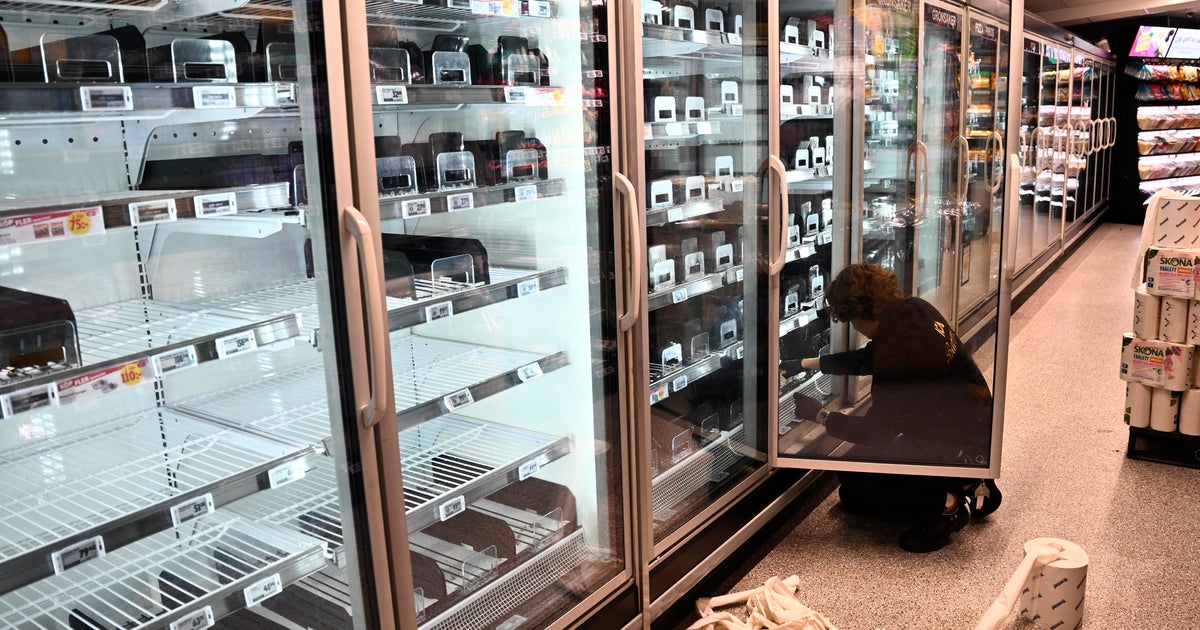
Over the past several quarters, European retail security operations centers (SOCs) have logged an alarming anomaly: coordinated, stealthy temperature escalations in commercial refrigeration units. These incidents are no longer being written off as mechanical failures or routine software glitches. Cybersecurity investigators, intelligence agencies, and industry insiders confirm that a sequence of sophisticated intrusions has compromised the Building Management Systems (BMS) and Industrial Control Systems (ICS) of leading grocery store networks across Germany, France, the Netherlands, and the United Kingdom.
The operational footprint of these attacks is remarkably precise. Rather than deploying traditional ransomware to lock corporate databases, threat actors are leveraging stolen third-party vendor credentials to access supervisory control and data acquisition (SCADA) layers. Once inside, they subtly manipulate refrigeration setpoints, driving temperatures upward just enough to spoil perishable dairy, meats, and pharmaceuticals while evading immediate automated alarms. By the store managers realize the deviation, millions of units of inventory have crossed the threshold of spoilage, forcing massive emergency dump operations and severe capital losses.
Legacy Architecture Meets Modern Threat Vectors
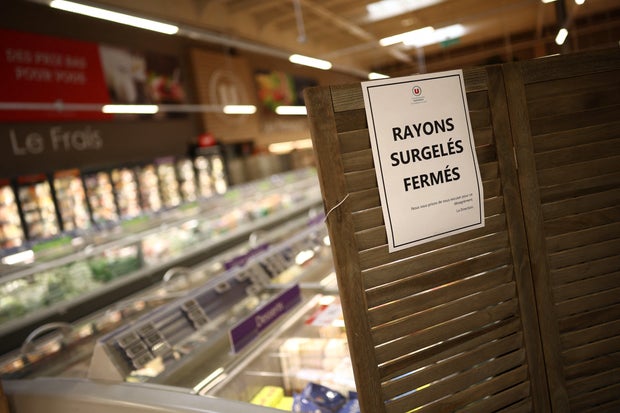
The root cause of this vulnerability crisis lies in decades of legacy infrastructure adoption. As European grocers aggressively pursued digital transformation and energy efficiency goals throughout the 2010s, they connected isolated refrigeration units to cloud compute architecture and centralized enterprise resource planning (ERP) platforms. However, this convergence of Information Technology (IT) and Operational Technology (OT) was frequently executed without commensurate risk mitigation protocols.
"Retailers prioritized infrastructure scalability and energy cost reduction over network segmentation," explains Dr. Helena Vance, Senior Industrial Cybersecurity Analyst at a London-based intelligence consultancy. "Third-party HVAC maintenance contractors were given remote desktop access without zero-trust boundaries. Threat actors quickly realized that a regional refrigeration vendor serves as an unprotected digital highway straight into the core of Europe's food supply chain."
This architectural oversight has created an asymmetric environment where attackers operate with minimal capital expenditure while targeted enterprises face compounding enterprise ROI losses. The cost of remediating a single compromised district warehouse or hypermarket refrigeration grid routinely exceeds €1.5 million in forensic analysis, hardware replacement, and product write-downs.
Verified Data & Metrics Breakdown
The following metrics, compiled from insurance claims data, European cyber-incident reporting registries, and proprietary supply chain audits, illustrate the scale of the cold chain security crisis.
| Metric Category | Pre-Crisis Baseline (2021–2022) | Current Environment (2023–Present) | Financial & Operational Impact |
|---|---|---|---|
| Reported OT Temperature Spikes | ~14 incidents / quarter (Europe) | 185+ incidents / quarter | 1,200% surge in suspected cyber-induced anomalies |
| Average Inventory Loss per Incident | €35,000 (Mechanical failure norm) | €210,000 – €450,000 | Substantial margin compression for grocery operators |
| Vendor Access Audits | Annual or bi-annual reviews | Real-time continuous monitoring mandated | Heightened regulatory compliance costs under NIS2 |
| Cyber Insurance Premiums (Retail OT) | Stable (+5% YoY) | +45% to +80% YoY surcharge | Liquidity constraints for mid-tier supermarket chains |
Industry & Market Implications
The systematic targeting of retail refrigeration is fundamentally altering market liquidity and investor sentiment across the European consumer staples sector. Equity analysts are aggressively scrutinizing how major grocery brands manage their supply chain cybersecurity.
Who Wins: Cybersecurity vendors specializing in Industrial Control Systems (ICS) security, network micro-segmentation, and zero-trust architecture are witnessing unprecedented enterprise demand. Consulting firms providing regulatory compliance audits for the EU's Network and Information Security (NIS2) directive are also capitalizing on the urgent scramble to secure physical-digital interfaces.
Who Loses: Low-margin supermarket operators reliant on legacy capital expenditure models face painful balance sheet adjustments. Companies that delayed modernizing their BMS networks are absorbing massive write-downs from spoiled inventory while simultaneously paying steep insurance deductibles. Furthermore, institutional investors are punishing laggards, compressing valuation multiples for grocery chains perceived as vulnerable to systemic operational disruption.
Frequently Asked Questions (People Also Ask)
How are hackers able to manipulate grocery store refrigeration units remotely?
Threat actors typically gain access by compromising third-party vendors—such as HVAC maintenance contractors or refrigeration service providers—who possess remote desktop credentials linked to supermarket Building Management Systems (BMS). Once inside, attackers bypass standard security layers to alter digital thermostat settings and SCADA controllers.
Are these temperature spikes classified as official ransomware attacks?
Not strictly. While some incidents involve extortion demands, many observed events exhibit characteristics of coordinated sabotage, supply chain disruption, or reconnaissance testing by advanced persistent threat (APT) groups. The primary objective in many cases is physical inventory destruction rather than data encryption.
What regulatory penalties do European grocers face for failing to secure these systems?
Under the updated European Union NIS2 Directive, supermarkets and critical food supply infrastructure operators face severe regulatory scrutiny. Non-compliance with mandatory cybersecurity risk-management measures and incident reporting can result in administrative fines reaching up to €10 million or 2% of total worldwide annual turnover.
How can retail executives mitigate the risk of cold chain cyberattacks?
Mitigation requires strict network micro-segmentation to decouple corporate IT from operational technology (OT) refrigeration grids. Enterprises must also implement multi-factor authentication (MFA) for all vendor access, deploy continuous anomaly detection tools tailored for industrial control systems, and conduct rigorous third-party security audits.
Future Outlook & What to Watch
As the European Union moves toward strict enforcement of the NIS2 directive and related critical infrastructure protection laws, the operational landscape for retail conglomerates is undergoing a permanent transformation. Over the next 12 to 18 months, market watchers and financial analysts should monitor several critical milestones:
- Capital Expenditure Pivots: Expect major grocery chains to announce accelerated capital allocation toward OT security retrofits, dampening short-term free cash flow margins in exchange for long-term risk mitigation.
- Insurance Market Corrections: Underwriters are expected to mandate rigorous cybersecurity certifications before issuing policies covering perishable inventory spoilage, pricing out uninsured or poorly secured regional players.
- Regulatory Enforcement Actions: The first wave of EU cross-border investigations into retail supply chain breaches will set legal precedents, defining corporate liability standards for digital-physical convergence failures.
The invisible battle lines drawn across Europe's supermarket cold chains serve as a stark warning for global commerce. As operational technology becomes increasingly digitized, the boundary between digital code and physical survival continues to dissolve—making robust cyber defense an indispensable pillar of corporate valuation and market survival.