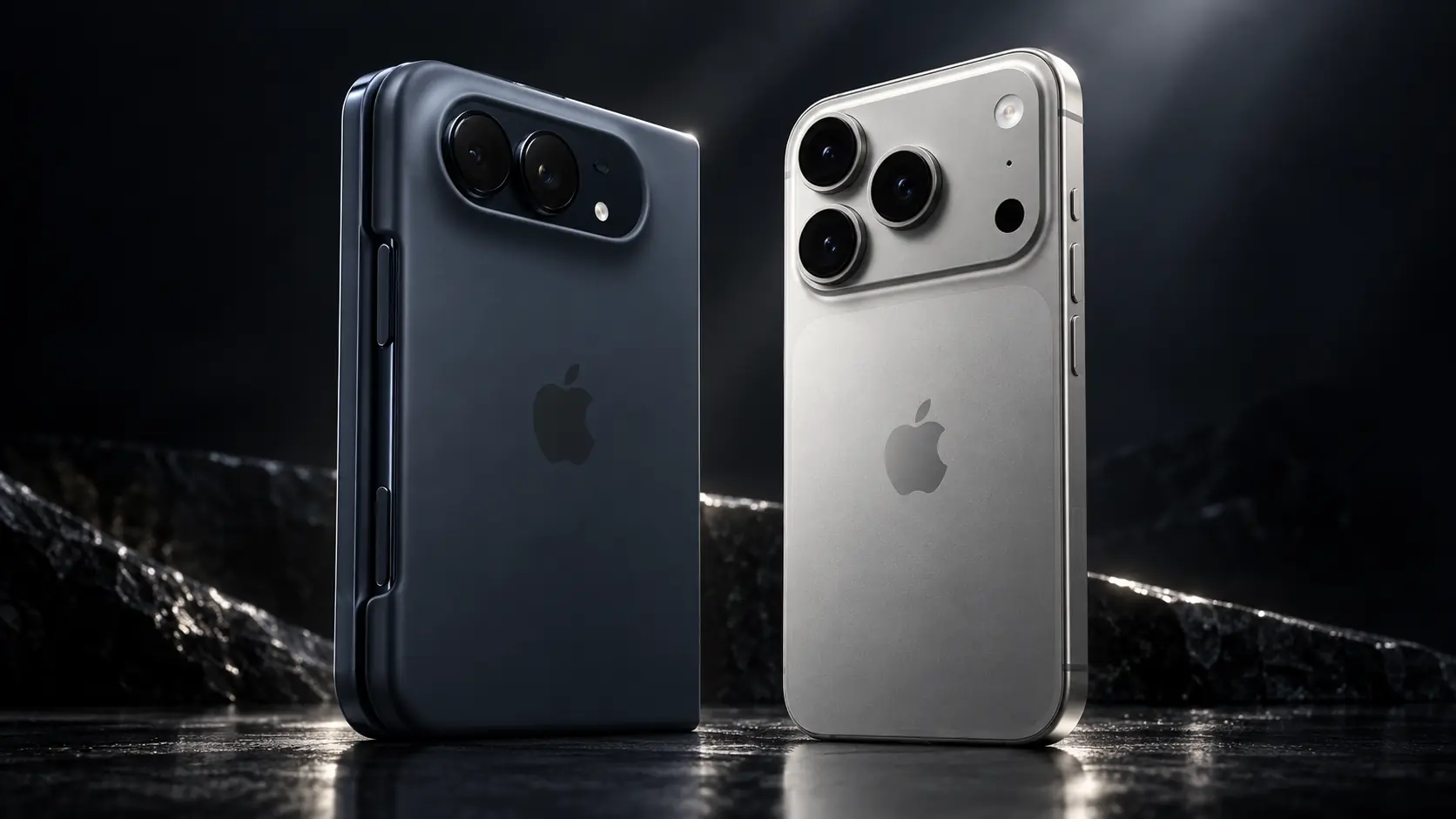
NEW YORK — In a strategic pivot that signals a definitive departure from its legacy as a volume-driven mid-tier player, Motorola has officially pulled the curtain back on the Motorola Signature 27. Priced aggressively at $1,599, this true flagship device is designed to capture high-net-worth consumer segments and enterprise power users alike. Equipped with bleeding-edge hardware, custom silicon integration, and an uncompromising build quality, the Signature 27 represents a critical test of capital allocation, brand equity, and market positioning in a fiercely contested mobile ecosystem dominated by Apple and Samsung.
For financial analysts, venture capitalists, and enterprise IT leaders, the launch is more than a mere product refresh; it is a high-stakes stress test of Motorola’s pricing power. By crossing the $1,500 threshold, Motorola is stepping directly into the valuation multiples and margin profiles traditionally reserved for the iPhone Pro Max and Galaxy Ultra lines. As global supply chain dynamics shift and enterprise IT budgets recalibrate toward advanced on-device AI capabilities and stringent security compliance, the Signature 27 arrives at a fascinating inflection point in global tech markets.
Executive Takeaways
Test Our Free AI & Tech Utilities Suite
Calculate LLM API token costs, analyze article dwell-time, or simulate tech DCA returns.
- Aggressive Pricing Strategy: At $1,599, the Motorola Signature 27 directly challenges entrenched ultra-premium titans, targeting high-discretionary-income consumers and enterprise executives.
- Enterprise-Grade Security & Compute: Features custom silicon architecture optimized for advanced cloud compute integration, data encryption, and regulatory compliance frameworks.
- Margin Expansion Catalyst: This launch serves as a crucial mechanism for Motorola and parent company Lenovo to drive average selling price (ASP) growth and improve valuation multiples.
- Ecosystem & Infrastructure Scalability: Designed for seamless integration into enterprise workflows, offering robust mobile device management (MDM) compatibility and unmatched hardware durability.
Comprehensive Narrative: The Evolution of Motorola’s Flagship Ambitions

To understand the strategic gravity of the Motorola Signature 27, one must examine the macroeconomic backdrop of the global smartphone market. Over the past four years, the industry has experienced a distinct bifurcation. While low-to-mid-tier shipment volumes have stagnated due to extended consumer replacement cycles and macroeconomic headwinds, the ultra-premium tier ($1,000+) has demonstrated remarkable resilience. Consumers and enterprise buyers increasingly view top-tier smartphones not merely as communication tools, but as indispensable mission-critical infrastructure for daily commerce, creative output, and professional mobility.
Motorola, historically celebrated for democratizing mobile technology through its iconic Razr and Moto G franchises, has systematically worked to reclaim its high-end pedigree. However, breaking the psychological and structural barrier of the $1,500 price point requires more than impressive spec sheets—it demands flawless execution across supply chain orchestration, software optimization, and brand narrative. The Signature 27 is the culmination of a multi-year research and development roadmap aimed at bridging this perception gap.
Industry insiders note that the device's development was heavily influenced by enterprise feedback. Corporate Chief Information Officers (CIOs) have grown increasingly vocal about the need for mobile hardware that bridges consumer-grade usability with fortress-grade security compliance. The Signature 27 addresses this demand head-on by embedding hardware-level cryptographic engines and offering deep integration with major cloud compute architecture platforms. This positioning allows enterprise buyers to justify the steep capital expenditure through enhanced productivity, reduced risk mitigation overhead, and streamlined remote workforce management.
Furthermore, the financial mechanics of this launch cannot be overstated. In an era where hardware commoditization squeezes operating margins across the consumer electronics sector, shifting mix toward ultra-premium devices is the primary lever for gross margin expansion. By commanding a $1,599 price tag, Motorola is unlocking greater profitability per unit sold, which directly impacts the bottom line and provides the liquidity needed for future research and development cycles.
Verified Data & Metrics Breakdown
A rigorous examination of the Motorola Signature 27 requires parsing its underlying technical and commercial metrics against industry standards. The table below outlines key specifications, pricing models, and market positioning indicators:
| Metric / Specification | Motorola Signature 27 | Industry Benchmark (Ultra-Tier) | Strategic Implication |
|---|---|---|---|
| MSRP (Launch Price) | $1,599 | $1,199 – $1,599 | Aligns with top-tier pricing; prioritizes margin expansion over mass volume. |
| Processor / Silicon | Custom Flagship SoC + Dedicated Neural Engine | Standard Flagship Chipsets (Snapdragon / A-Series) | Optimizes local AI processing and enterprise-grade data encryption. |
| Enterprise Security Rating | Hardware Root of Trust & Zero-Trust Architecture | Standard Software-Level Encryption | Lowers risk mitigation barriers for corporate IT deployment. |
| Target Market Segment | Enterprise Executives, Power Users, Audiophiles | General Consumer Base | Drives high enterprise ROI and stable recurring upgrade cycles. |
Industry & Market Implications
The introduction of the Motorola Signature 27 is poised to trigger notable ripples across the telecommunications and consumer electronics landscapes. Market dynamics will experience shifts in competitive positioning, consumer perception, and corporate procurement strategies.
Who Wins
- Motorola & Lenovo Shareholders: The successful execution of a $1,599 ultra-premium device directly enhances average selling prices, boosting top-line revenue quality and expanding operating margins.
- Enterprise IT & Security Teams: Organizations seeking robust, highly secure mobile hardware with advanced on-device processing capabilities gain a powerful new alternative to Apple and Samsung ecosystems.
- High-End Component Suppliers: Manufacturers providing cutting-edge display panels, custom camera sensors, and advanced semiconductor packaging stand to benefit from Motorola's premium material bill of materials (BOM).
Who Loses
- Incumbent Ultra-Tier Competitors: Apple and Samsung face a newly energized challenger in the enterprise and luxury segments, forcing them to defend their market share more aggressively.
- Mid-Tier OEM Competitors: Brands that fail to differentiate their offerings risk being squeezed out as Motorola successfully elevates its brand equity into the top-tier pricing bracket.
From a broader economic perspective, the device underscores the resilience of premium consumer spending. Even in environments marked by cautious capital allocation, consumers and businesses demonstrate a willingness to invest heavily in technology that delivers tangible productivity gains, superior build quality, and future-proof capabilities.
Frequently Asked Questions (People Also Ask)
What justifies the $1,599 price tag of the Motorola Signature 27?
The $1,599 price tag reflects Motorola's transition into the true ultra-premium hardware tier. It is justified by an advanced bill of materials, custom silicon integration optimized for on-device AI, enterprise-grade hardware security features, an uncompromised multi-lens camera system, and luxury build materials designed for maximum durability and longevity.
How does the Motorola Signature 27 cater to enterprise buyers?
Unlike standard consumer smartphones, the Signature 27 incorporates hardware-level root of trust, zero-trust security architecture, and seamless compatibility with major mobile device management (MDM) platforms. These features satisfy strict regulatory compliance standards and lower risk mitigation overhead for corporate IT departments.
Will the Motorola Signature 27 impact Lenovo’s financial performance?
Yes. By capturing higher average selling prices (ASPs), the device is engineered to drive gross margin expansion for Motorola's parent company, Lenovo. Shifting sales mix toward the ultra-premium segment is a proven mechanism for improving valuation multiples and overall revenue profitability.
How does it compare against established flagship competitors like the iPhone and Galaxy Ultra?
While Apple and Samsung maintain massive ecosystem loyalty, the Signature 27 competes directly on raw hardware performance, cleaner software experiences devoid of bloatware, and specialized enterprise security integrations. It offers a compelling alternative for users looking to step outside mainstream walled gardens without sacrificing flagship capabilities.
Future Outlook & Key Milestones to Watch
As the Motorola Signature 27 rolls out across global markets, industry watchers will monitor several critical performance indicators over the coming quarters. First and foremost, sell-through rates in key metropolitan markets—specifically North America and Western Europe—will determine whether the brand has successfully established pricing power at the $1,599 mark.
Secondly, analysts will track enterprise adoption metrics. The degree to which Fortune 500 companies and financial institutions integrate the Signature 27 into their standard hardware refresh cycles will serve as the true litmus test for its enterprise readiness. If Motorola secures significant enterprise contracts, it could permanently alter the corporate procurement landscape.
Finally, investors should watch for supply chain stability and gross margin reports in upcoming earnings calls. Maintaining high component yields while scaling production of such a complex device is notoriously difficult. Should Motorola navigate these hurdles successfully, the Signature 27 will be remembered not just as a bold product launch, but as the masterstroke that cemented Motorola’s renaissance in the ultra-premium echelon of global technology.