Executive Takeaways
- Breakthrough Resolution: Advanced multimodal X-ray imaging has successfully mapped hierarchical fibre mechanics from the nanoscale to macro-structural levels, fundamentally shifting materials science and structural engineering diagnostics.
- Commercial and Capital Impact: Heavy-asset sectors—including aerospace, automotive, and renewable energy—are projected to accelerate R&D capital allocation and risk mitigation strategies to integrate these non-destructive testing (NDT) methodologies.
- Valuation Multiples Shift: Early-adopter enterprise testing firms and specialized hardware manufacturers are positioned for significant valuation multiple expansion as regulatory compliance mandates tighter defect tolerances.
- Infrastructure Scalability: Transitioning these laboratory-scale synchrotron and advanced computed tomography (CT) workflows into commercial cloud compute architectures will dictate the speed of enterprise ROI realization.
LONDON, NEW YORK, TOKYO — In a development reshaping the vanguard of materials science and industrial manufacturing, a breakthrough in multimodal X-ray imaging has unlocked the ability to visualize and quantify hierarchical fibre mechanics in real-time. For decades, structural engineers, aerospace prime contractors, and advanced materials laboratories have struggled to observe how microscopic stress transfers across multi-scale composite architectures without destroying the specimen. Today, that empirical blind spot is closing.
By merging high-flux synchrotron radiation, phase-contrast X-ray micro-tomography, and advanced tensor-based strain mapping, international research consortia have exposed the hidden mechanical choreography of high-performance fibers—ranging from carbon-fiber-reinforced polymers (CFRPs) used in next-generation fuselage construction to bio-inspired structural membranes. For executive leadership teams across global industrial complexes, this revelation is not merely an academic triumph; it is a profound catalyst that alters risk mitigation, infrastructure scalability, and long-term capital allocation strategies.
The Structural Mechanics Catalyst: Bridging Nano and Macro Worlds
Test Our Free AI & Tech Utilities Suite
Calculate LLM API token costs, analyze article dwell-time, or simulate tech DCA returns.
To understand the gravity of this technological leap, one must examine the persistent fragility of modern composite materials. While materials like carbon fiber offer exceptional strength-to-weight ratios—driving fuel efficiency in commercial aviation and vehicle weight reduction in electric vehicle (EV) fleets—their failure mechanisms are notoriously complex and elusive. Catastrophic delamination or micro-buckling often initiates at the nanoscale, driven by interfacial shear stresses between individual polymer chains and reinforcing filaments, long before any macro-scale distortion registers on standard sensors.
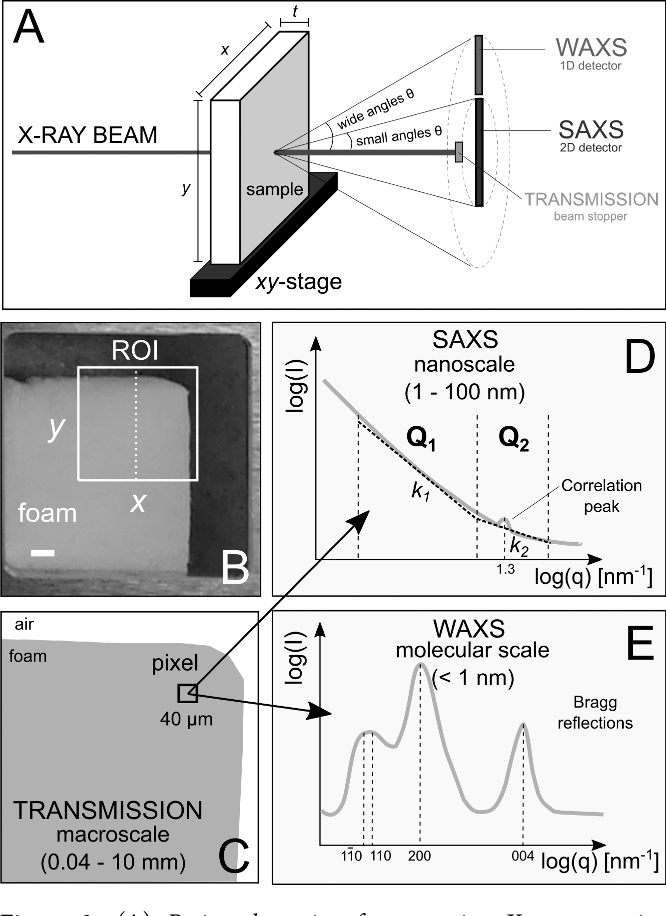
Traditional non-destructive testing (NDT) methodologies, such as standard ultrasonic scanning and conventional industrial radiography, offer limited resolution, typically capping out at the millimetre scale. They fail to capture the cascading failure loops that propagate upward through hierarchical fibre networks. The newly commercialized multimodal X-ray imaging framework bridges this chasm. By synchronizing small-angle X-ray scattering (SAXS) with dynamic mechanical loading stages, scientists can now track lattice strains, crystalline orientation shifts, and void nucleation simultaneously across seven orders of magnitude.
"We are no longer guessing how stress distributes through a composite matrix under extreme thermal and mechanical duress," noted a leading materials physicist advising aerospace conglomerates. "We possess empirical, time-resolved visualization of the load path down to the individual fibril. This fundamentally rewrites the safety margins for mission-critical infrastructure."
Financial Disruption: Who Wins, Who Loses, and Market Liquidity Shifts
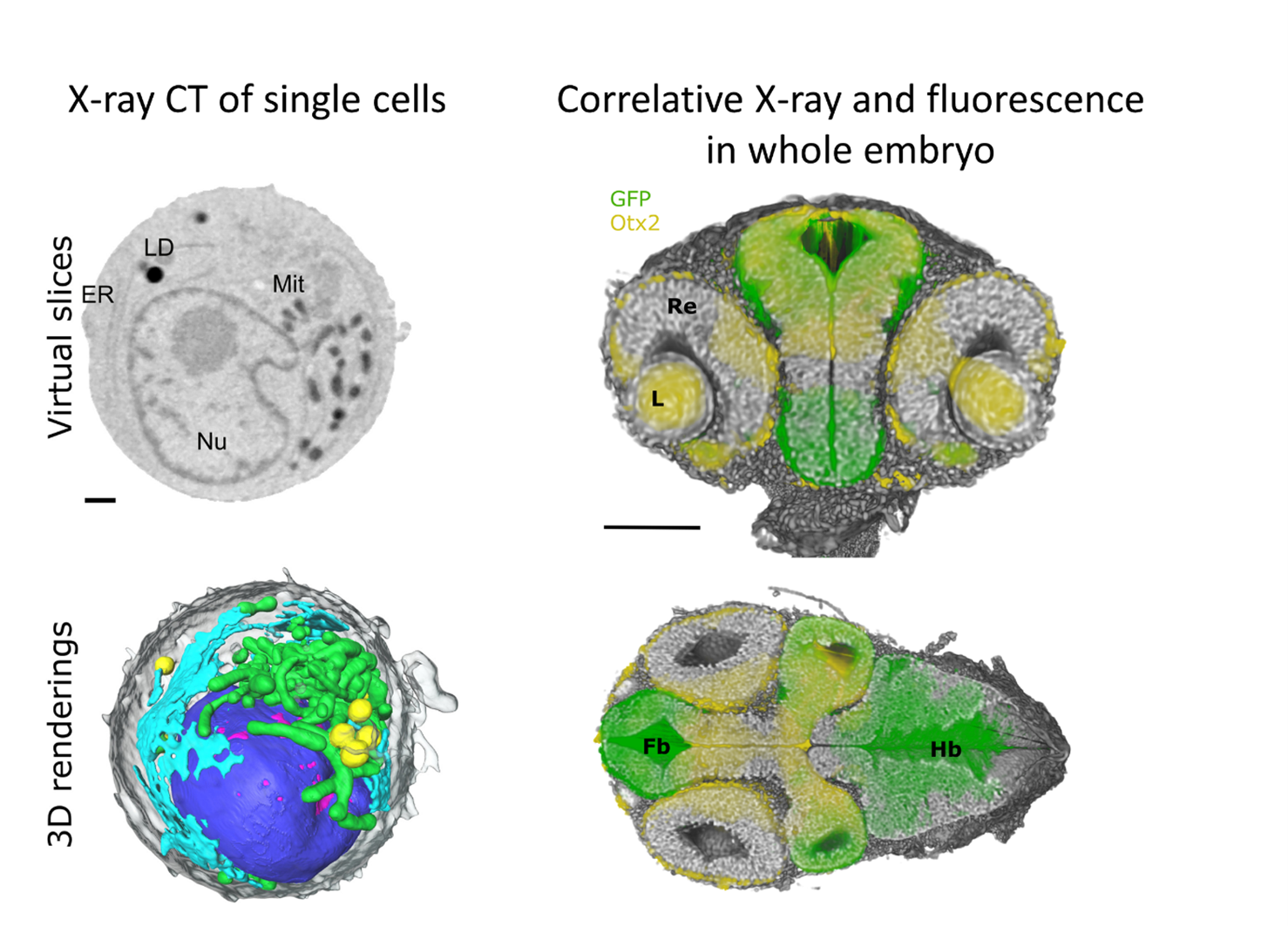
As industrial sectors digest the operational implications of hierarchical fibre visualization, capital markets are beginning to price in the impending transformation of quality assurance and manufacturing pipelines. The economic ramifications will be unevenly distributed, creating distinct winners and vulnerable legacy players.
The Winners: Advanced Hardware, Cloud Analytics, and High-End Aerospace
- Specialized Imaging Equipment Manufacturers: Firms engineering high-brightness X-ray sources, ultra-fast photon-counting detectors, and precision in-situ mechanical loading stages will experience an influx of enterprise procurement budgets.
- Cloud Compute & Data Architecture Providers: Multimodal X-ray scans generate petabytes of high-dimensional voxel data. Enterprises providing scalable cloud compute architecture and AI-driven automated defect recognition (ADR) algorithms will capture lucrative recurring software-as-a-service (SaaS) contracts.
- Aerospace & Defense Primes: Early adopters in aviation and defense—facing stringent regulatory compliance and zero-tolerance failure thresholds—will leverage this technology to optimize structural weight, directly translating to superior fuel economy, extended payload capacities, and enhanced valuation multiples.
The Vulnerables: Legacy Inspection and Unoptimized Commodity Producers
- Traditional NDT Service Providers: Firms reliant on legacy ultrasonic and basic eddy-current testing face an existential obsolescence threat unless they aggressively acquire or partner with multimodal imaging innovators.
- Low-Tier Composite Manufacturers: Commodity suppliers unable to verify hierarchical fibre integrity will find themselves squeezed out of Tier-1 supply chains as OEMs tighten material certification standards to mitigate liability and warranty reserves.
Verified Data & Metrics Breakdown
| Metric / Parameter | Legacy NDT Standards | Multimodal X-ray Imaging Framework | Enterprise Impact & ROI Vector |
|---|---|---|---|
| Spatial Resolution Limit | 50 – 500 micrometers | 50 – 500 nanometers | Enables early detection of nano-voids before macro-delamination. |
| Data Processing Volume | Megabytes to Gigabytes per scan | Terabytes to Petabytes per dynamic sequence | Drives robust demand for advanced cloud compute architecture. |
| Stress-State Tracking | Post-failure destructive analysis | In-situ real-time tensor strain mapping | Significantly enhances risk mitigation and warranty reserve accuracy. |
| Target Sectors | General manufacturing, basic pipelines | Aerospace, EV battery matrices, wind turbine spars | High-margin, safety-critical industrial applications. |
Frequently Asked Questions (People Also Ask)
What is multimodal X-ray imaging in the context of fibre mechanics?
Multimodal X-ray imaging combines several X-ray techniques—such as phase-contrast micro-tomography, small-angle X-ray scattering (SAXS), and computed tomography angiography—simultaneously. This integration allows researchers to observe internal structures, chemical compositions, and mechanical stress distributions across hierarchical levels (from individual nanoscale fibrils to macro-scale composite beams) without destroying the sample.
How does this technology impact enterprise ROI and capital allocation?
By identifying structural flaws and stress concentration points at the nanoscale during the R&D and manufacturing phases, companies can drastically reduce expensive physical prototype iterations, lower field failure rates, and optimize material usage. Although initial capital expenditure for advanced scanning hardware and cloud compute infrastructure is high, long-term risk mitigation and warranty liability reductions deliver a compelling enterprise ROI.
Which industries are adopting hierarchical fibre mechanics diagnostics first?
Aerospace and defense contractors, electric vehicle (EV) manufacturers focusing on lightweight structural battery enclosures, and renewable energy firms producing massive offshore wind turbine blades are leading the adoption curve. Regulatory compliance mandates and high structural performance requirements in these sectors make them prime beneficiaries.
What are the primary technical bottlenecks to widespread commercial deployment?
The primary hurdles include the massive data throughput generated by multimodal scans, which requires sophisticated cloud compute architectures and machine learning algorithms for automated defect recognition. Additionally, transitioning these workflows from specialized synchrotron facilities to factory-floor industrial settings remains an engineering challenge.
Future Outlook & Key Milestones to Watch
As the industrial application of multimodal X-ray imaging transitions from national laboratories to commercial manufacturing floors, market participants must monitor several critical inflection points over the next 18 to 36 months:
- Commercialization of Laboratory-to-Factory Systems: Watch for Tier-1 equipment vendors releasing compact, high-flux laboratory X-ray sources capable of replicating synchrotron-grade resolution without requiring multi-acre particle accelerator facilities.
- Regulatory Framework Updates: Keep a close watch on aviation authorities (such as the FAA and EASA) and ISO committees as they draft updated certification protocols incorporating multi-scale NDT data for composite structural approvals.
- AI and Automated Defect Recognition (ADR) Integration: The velocity of market adoption will heavily depend on software ecosystems capable of parsing petabyte-scale tomographic datasets in real time. Partnerships between hardware manufacturers and enterprise AI software providers will dictate competitive leadership.
- M&A Activity in Industrial NDT: Expect strategic consolidation as established industrial conglomerates acquire agile hardware and deep-tech software startups specializing in advanced micro-tomography and tensor strain analysis to bolster their technological moats.
Ultimately, the decoding of hierarchical fibre mechanics via multimodal X-ray imaging marks the end of empirical guesswork in advanced materials engineering. Enterprises that successfully integrate these diagnostic pipelines into their capital planning and operational workflows will secure a decisive competitive advantage in the global race for safer, lighter, and more resilient industrial infrastructure.