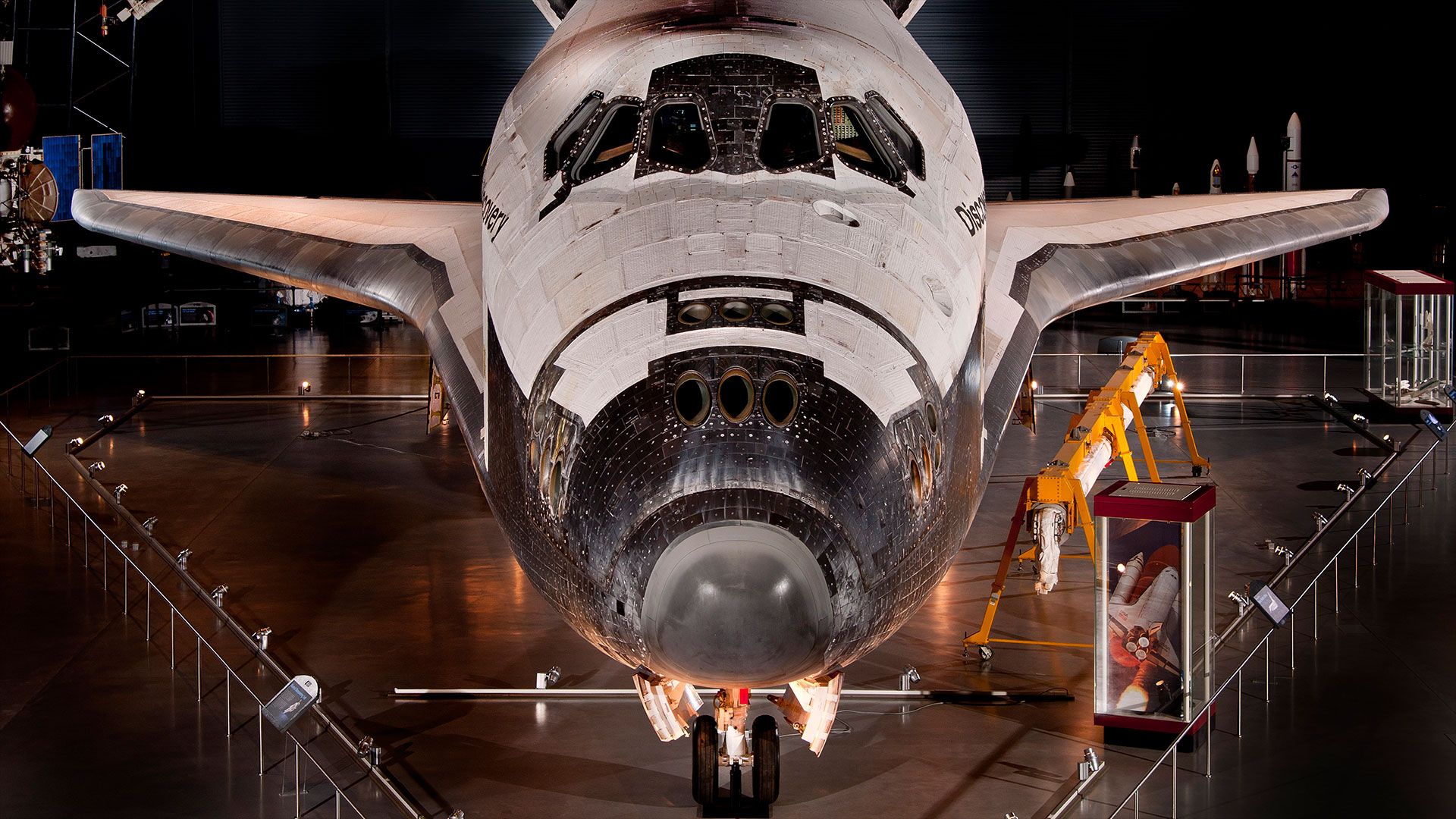
NASA Chief Jared Isaacman Signals Texas May Get Flown Artemis Moonship Over Space Shuttle Discovery
HOUSTON, TX — In a move that could redefine the geopolitical landscape of aerospace tourism and space history, NASA Chief Jared Isaacman has signaled a major shift in how the space agency plans to distribute its most coveted historical assets. Rather than attempting a complex, politically fraught relocation of the Space Shuttle Discovery to Texas, NASA is actively considering sending a flown Artemis Orion spacecraft—a true modern "moonship"—to Space Center Houston.
The revelation, which came on the final day of 2025, marks a decisive departure from decades of lobbying by Texas lawmakers and civic leaders who have long felt slighted by NASA’s 2011 decision to deny Houston a retired, space-flown shuttle orbiter. Under Isaacman’s forward-looking, commercially minded leadership, NASA is prioritizing the future of deep-space exploration over low-Earth orbit nostalgia.
The Shuttle Snub vs. The Lunar Pivot
For nearly fifteen years, the exclusion of Houston from the retired Space Shuttle display program has been a sore point for the Lone Star State. While the Smithsonian in Virginia claimed Discovery, the Kennedy Space Center in Florida took Atlantis, the California Science Center in Los Angeles secured Endeavour, and New York City’s Intrepid Museum landed the test orbiter Enterprise, Houston was left with Independence—a high-fidelity replica mounted on a carrier aircraft.
However, Isaacman’s latest statements suggest that dwelling on past decisions misses the broader trajectory of modern spaceflight. Rather than retroactively trying to wrest Discovery away from the Smithsonian—a logistical and diplomatic nightmare—NASA is looking to crown Texas as the primary public home of the Artemis generation.
"We want to inspire the generation that will walk on Mars, not just look back at the era of low-Earth orbit," Isaacman noted in his briefing. "An Artemis Orion capsule that has actually braved the deep-space radiation environment and looped around the Moon is the ultimate symbol of where we are going. It belongs in the heart of Texas, where those missions are guided."
Why an Orion Moonship Beats a Retired Shuttle
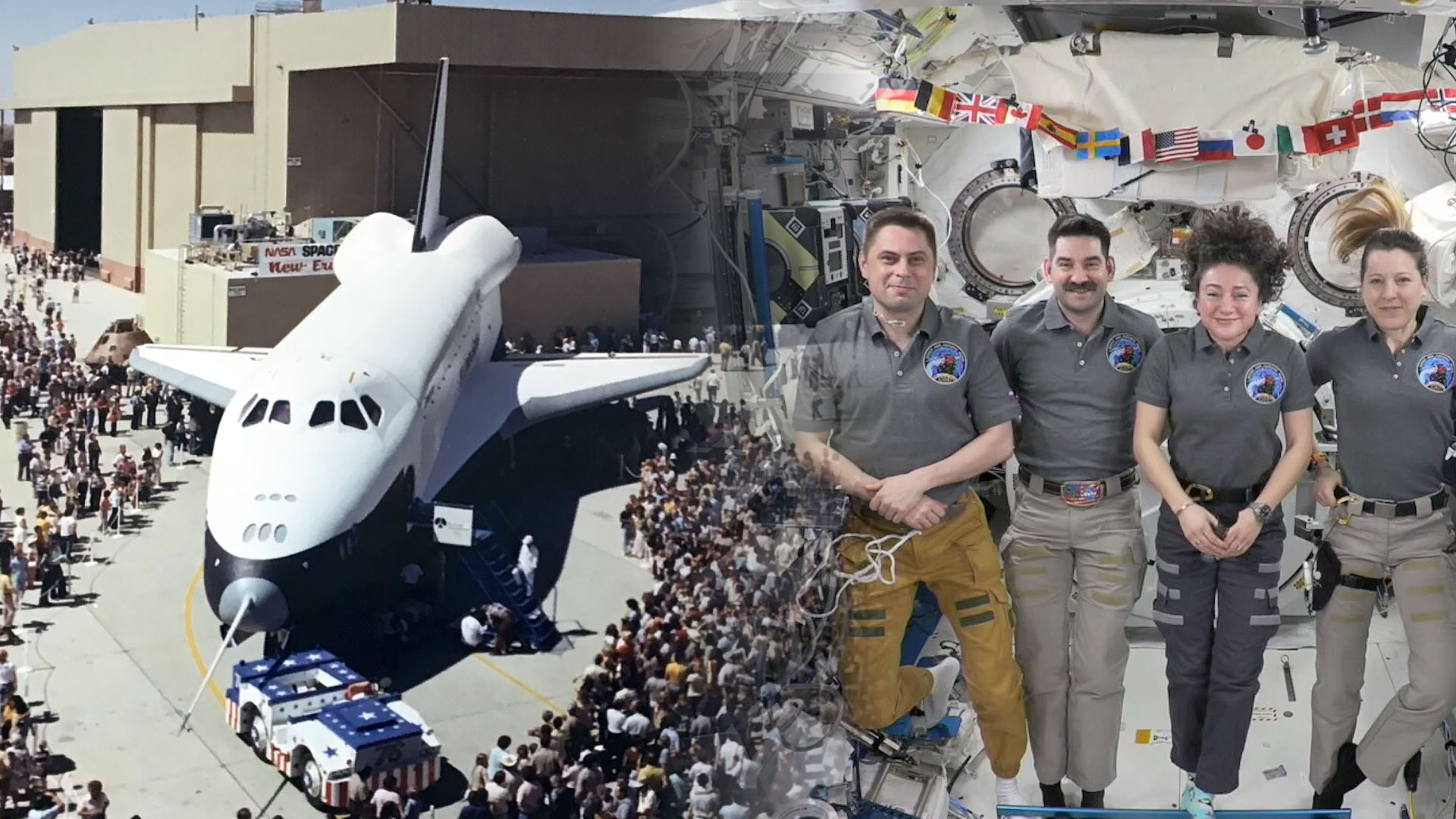
To the untrained eye, the massive, delta-winged Space Shuttle is a more imposing museum piece than the relatively compact Orion crew capsule. However, from a historical and technological standpoint, the Orion spacecraft represents a monumental leap in human capability, designed specifically to survive re-entry velocities from deep space that would disintegrate a Space Shuttle.
Key Strategic Takeaways:
- A Direct Link to the Future: An Orion capsule displayed in Houston would connect visitors directly to active missions, as the Artemis program prepares to land the first woman and next man on the lunar surface.
- True Deep-Space Pedigree: Unlike the Space Shuttles, which never left low-Earth orbit (roughly 250 miles up), the Orion spacecraft has already traveled hundreds of thousands of miles past the Moon and back.
- Reduced Logistical Footprint: Housing and preserving a deep-space capsule is significantly more cost-effective for Space Center Houston than maintaining the delicate thermal protection system of a 120-foot-long shuttle orbiter.
Comparing the Contenders: Discovery vs. Orion
To understand the magnitude of this potential trade-off, it is helpful to look at how the two spacecraft stack up in terms of historical significance, design parameters, and mission profiles:
| Feature / Metric | Space Shuttle Discovery (OV-103) | Artemis Orion Crew Module |
|---|---|---|
| Primary Destination | Low-Earth Orbit (LEO) | Deep Space & Lunar Orbit |
| Max Distance from Earth | Approx. 350 miles (Hubble Mission) | 280,000 miles (Artemis I) |
| Thermal Protection Re-entry Speed | 17,500 mph | 24,500 mph (Lunar Re-entry) |
| Current Proposed Venue | Smithsonian Udvar-Hazy Center (VA) | Space Center Houston (TX) (Proposed) |
| Strategic Era | Space Shuttle Era (1981–2011) | Artemis / Mars Transition Era (Present–Future) |
The Economic and Tourism Impact for Houston
For Space Center Houston, which draws over 1.2 million visitors annually, securing a flown Artemis spacecraft would be a financial windfall. It would position the museum as the premier destination to view the actual hardware driving 21st-century space exploration.
Industry analysts at The Economic Times suggest that a flown lunar capsule could boost international tourism to the Houston area by as much as 15% over the five years following its installation. "It shifts the narrative from Houston as a 'museum of things we used to do' to an active gateway of what humanity is doing right now," says senior aerospace analyst Marcus Vance. "That is highly bankable real estate for the local economy."
Moreover, local political figures have already begun signaling their support for Isaacman’s proposition, recognizing that a modern moonship is a far better fit for the state's expanding aerospace manufacturing and commercial space footprint.
Looking Ahead: The Artemis Timeline
The specific capsule earmarked for Houston has not yet been officially confirmed, though speculation points to the historic Artemis I Orion capsule, which completed a flawless uncrewed lunar orbit test in late 2022, or a future capsule from the upcoming crewed Artemis II mission. As NASA prepares to transition from test flights to sustained lunar bases, the hardware of the early 2020s will soon find its permanent home in public archives, cementing Texas's role as the rightful home of the modern space age.
Frequently Asked Questions (FAQ)
Why did Houston miss out on a Space Shuttle in the first place?
In 2011, then-NASA Administrator Charles Bolden selected display sites based on geographic diversity, proximity to historical shuttle processing locations, and existing visitor infrastructure. Despite being home to Mission Control, Houston was deemed to have less direct physical association with shuttle operations than the Kennedy Space Center (launch site) or the California Science Center (where the shuttles were built).
Is Space Shuttle Discovery still open to the public?
Yes. Space Shuttle Discovery remains the crown jewel of the Smithsonian National Air and Space Museum's Steven F. Udvar-Hazy Center in Chantilly, Virginia, where it has been on display since 2012. There are no active plans to move Discovery from this location, as the facility was custom-built to house and preserve the historic spacecraft.