Executive Takeaways
- Behavioral Manipulation at Scale: Entomopathogenic fungi and parasitic nematodes do not merely consume their hosts; they hijack central nervous systems, reallocating host bio-energy to optimize spore dispersion and maximize viral propagation.
- Bio-Security and Agricultural Exposure: Modern monoculture farming and globalized supply chains present critical vulnerabilities to fungal pathogens, threatening staple crop yields and demanding aggressive risk mitigation capital allocation.
- Biotech Innovation Vectors: Pharmaceutical and agricultural chemical enterprises are leveraging fungal behavioral mechanisms to design targeted biopesticides, driving new valuation multiples across the agtech sector.
- Ecosystem Valuations: Understanding these microbial vectors provides crucial insights into natural capital liquidity, forest biodiversity health, and long-term climate adaptation frameworks.
For centuries, the concept of the living dead remained safely confined to folklore and cinematic speculative fiction. Yet, deep within the humid canopies of the Amazon basin, the temperate forests of North America, and the microscopic layers of marine ecosystems, nature operates an intricate, ruthless theater of behavioral control. Parasites and fungi have mastered the ultimate evolutionary playbook: complete neurological hijacking. By subverting the host's motor functions, biochemical signaling, and risk-assessment architecture, these organisms transform living creatures into biological vehicles, executing complex instructions designed entirely for the parasite’s reproduction.
As trending global searches highlight a surging public and scientific fascination with these phenomena, financial markets, agricultural conglomerates, and environmental risk analysts are taking a closer look. The mechanisms by which these organisms bypass host immunity and execute precise behavioral manipulation are no longer just academic curiosities; they are blueprint models for advanced pharmacological delivery systems, biosecurity defense frameworks, and next-generation pest management strategies.
The Mechanics of Neurological Subversion
Test Our Free AI & Tech Utilities Suite
Calculate LLM API token costs, analyze article dwell-time, or simulate tech DCA returns.
The transition from a passive parasite to an active behavioral puppeteer requires a sophisticated molecular strategy. Take, for instance, the classic case of Ophiocordyceps unilateralis—commonly known as the zombie ant fungus. When microscopic spores of this entomopathogenic fungus contact an unsuspecting carpenter ant (Camponotus leonardi), the spores secrete specialized enzymes that degrade the insect's exoskeleton, penetrating its hemocoel.
Once inside, the fungal cells proliferate not by forming a traditional mass, but by circulating as individual yeast-like cells that secrete neuromodulators. These chemical compounds mimic neurotransmitters, effectively hacking the ant's central nervous system. The host loses its free will, entering a state of hyper-directed wandering. The fungus drives the ant upward into the understory, forcing it to clamp its mandibles onto the underside of a leaf precisely twenty-five centimeters above the forest floor—an environmental micro-climate optimized for fungal growth. The fungus then consumes the host from the inside out, ultimately erupting from the back of the ant's head to rain spores down upon the colony below.
This level of precision requires immense evolutionary calibration. From an infrastructure scalability perspective, the biological architecture of these fungi operates with ruthless efficiency. They bypass the high-cost metabolic pathways of traditional predation, converting the host’s own infrastructure into a self-sustaining incubation chamber. Similar dynamics are observed in *Toxoplasma gondii*, a protozoan parasite that eliminates the natural fear of feline predators in infected rodents, ensuring the parasite completes its life cycle within the cat's gut, and the parasitic wasp *Glyptapanteles*, which forces its caterpillar host to act as a defensive bodyóguard for the wasp's pupae.
Verified Data and Metrics Breakdown
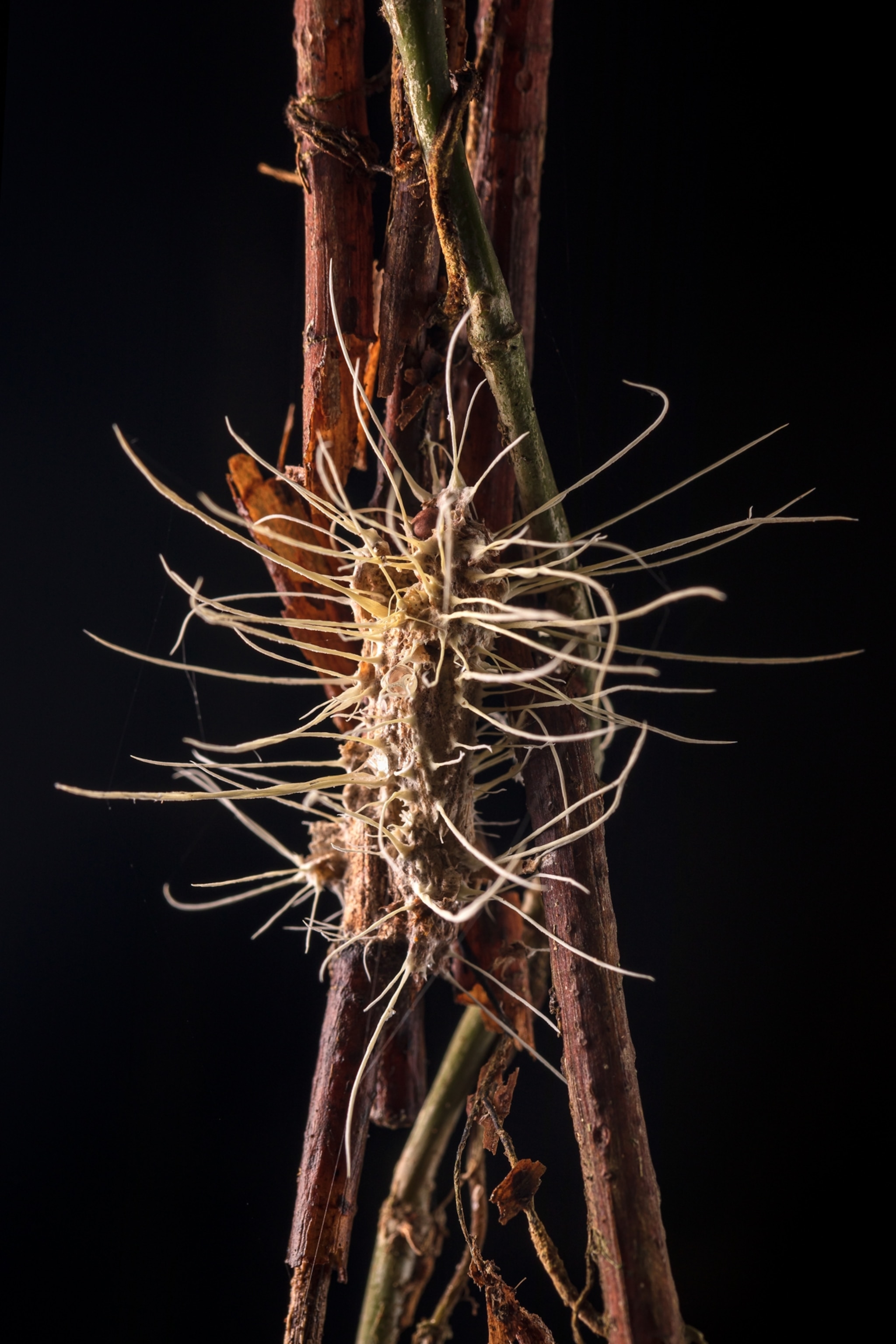
To understand the macroscopic impact of these micro-organisms, we must examine the quantitative parameters governing host infection rates, geographical distribution, and economic exposure across global ecosystems.
| Pathogen / Parasite | Primary Host | Behavioral Modification Vector | Global Impact / Market Exposure |
|---|---|---|---|
| Ophiocordyceps unilateralis | Carpenter Ants | Summit clamping & precise directional climbing | Forest biodiversity regulation; niche canopy management |
| Toxoplasma gondii | Rodents (Feline primary) | Aversion inversion (attraction to cat urine) | Infects ~30% of global human population; high medical surveillance |
| Entomophthora muscae | Houseflies | Summit disease (climbing high points to die) | Agricultural vector control; livestock sanitation economics |
| Ophiocordyceps sinensis | Caterpillars (Ghost moths) | Burrowing upright before mummification | High-value luxury commodity market ($11B+ Himalayan trade) |
Industry & Market Implications
The study of natural neuro-manipulation carries profound downstream consequences for global enterprise, particularly within agrochemical compliance, biotechnology R&D, and pharmaceutical pipeline development. As regulatory bodies enforce stricter limits on synthetic chemical pesticides due to environmental degradation and chemical runoff, capital allocation is shifting rapidly toward biological control agents.
Who Wins: Agtech enterprises specializing in entomopathogenic fungi and parasitic nematodes are seeing surging enterprise valuations and robust venture capital inflows. These bio-pesticides offer precision targeting, degrading naturally without leaving toxic residues in groundwater or disrupting soil microbiome liquidity. Furthermore, pharmaceutical firms investigating neuromodulatory peptides derived from venomous and parasitic organisms are unlocking novel pathways for treating human neurological disorders, creating high-margin intellectual property portfolios.
Who Loses: Legacy chemical conglomerates heavily invested in broad-spectrum synthetic pesticides face escalating regulatory friction, margin compression, and stranded asset risks. Additionally, commercial agriculture sectors operating dense monocultures without diversified biological buffers remain highly vulnerable to opportunistic fungal pathogens capable of wiping out entire crop yields within single growing seasons.
Frequently Asked Questions (People Also Ask)
Can zombie fungi and parasites infect humans?
In short: No, not in the cinematic sense. The physiological and thermal barriers of the human body—including our complex immune system and higher core body temperature (approx. 37°C)—prevent entomopathogenic fungi like Ophiocordyceps from colonizing human tissue or manipulating human behavior. However, certain neuro-parasites like Toxoplasma gondii do successfully infect humans, though they generally cause latent chronic infections rather than dramatic behavioral takeovers.
How do these fungi locate and select their specific hosts?
Host selection is governed by chemical signaling and evolutionary co-adaptation. Parasitic fungi release specialized surface proteins that recognize specific hydrocarbon profiles on the cuticle of target insect species. Once a match is confirmed, the infection sequence is triggered. This extreme host specificity prevents the fungus from wasting resources on non-viable organisms.
What is the economic significance of zombie fungi in global markets?
Beyond agricultural biocontrol applications, certain parasitic fungi hold massive commercial value. For example, Ophiocordyceps sinensis (caterpillar fungus), found in the high-altitude regions of the Himalayas, commands prices higher than gold per ounce in traditional Asian medicine markets, driving multi-billion-dollar regional economies and complex geopolitical harvesting disputes.
Are researchers using these mechanisms for technological innovation?
Yes. Biomedical and robotics engineers analyze the biochemical pathways of parasite-induced behavioral changes to design smart drug-delivery nanoparticles that can cross the blood-brain barrier. By understanding how these organisms bypass host defenses, scientists hope to engineer targeted treatments for stubborn neurological pathologies.
Future Outlook and Strategic Milestones
As climate change alters regional temperature and humidity gradients, the geographic distribution of entomopathogenic fungi and parasitic vectors is shifting. Ecosystems previously protected by harsh winters are experiencing longer pathogen windows, altering predator-prey dynamics and forestry health.
For institutional investors, corporate strategists, and agricultural stakeholders, monitoring these biological shifts is essential for risk mitigation. Key milestones to watch over the next 24 to 36 months include:
- Regulatory Approvals for Biopesticides: Tracking the accelerated approval pathways for fungal-based agricultural solutions by the EPA and European Food Safety Authority.
- Biotech Licensing Deals: Monitoring capital flows and cross-border licensing agreements between academic institutions isolating novel neuromodulatory peptides and major pharmaceutical developers.
- Climate-Pathogen Modeling: Integration of advanced machine learning models to predict how warming global temperatures will impact the spread of agricultural and forestry-destroying fungal epidemics.
Ultimately, nature's real-life zombies serve as a stark reminder of the raw power held by microscopic architects. Far from being mere anomalies, they represent a masterclass in biological optimization—one that modern science is only beginning to decode, monetize, and manage.