Executive Takeaways
- Active Weaponization: A critical zero-day vulnerability in Microsoft Exchange is currently being actively exploited in the wild, threatening on-premises and hybrid enterprise messaging infrastructure globally.
- Absence of Immediate Mitigation: As of May 18, 2026, Microsoft has not released an official security patch, leaving Chief Information Security Officers (CISOs) scrambling to deploy manual hardening and traffic-filtering workarounds.
- Capital Market Repercussions: The incident immediately impacts cloud-migration strategies, accelerating enterprise capital allocation toward fully managed SaaS environments and triggering valuation scrutinies across software-as-a-service ecosystems.
- Regulatory Exposure: Organizations relying on legacy local servers face heightened compliance and reporting liabilities under stringent global data protection frameworks, forcing immediate risk mitigation audits.
The global enterprise software ecosystem was thrust into a state of high alert on May 18, 2026, following the disclosure of a severe, actively exploited zero-day vulnerability impacting Microsoft Exchange Server deployments. Reported initially by threat intelligence researchers and tracked closely across security channels, the flaw presents an acute crisis for organizations maintaining on-premises and hybrid email infrastructure. With no official software patch available from Redmond at the time of discovery, corporate boards, IT directors, and institutional risk managers are confronting an unprecedented window of systemic vulnerability.
Coming on the heels of previous high-profile messaging server compromises—most notably the catastrophic Hafnium attacks of 2021—this latest development underscores the structural fragility inherent in legacy enterprise software architectures. As forensic investigators race to analyze malicious payloads and telemetry data, executive leadership teams are re-evaluating their risk mitigation frameworks, operational continuity protocols, and cloud-compute migration timelines.
Anatomy of a Zero-Day Crisis: The Unfolding Threat Landscape
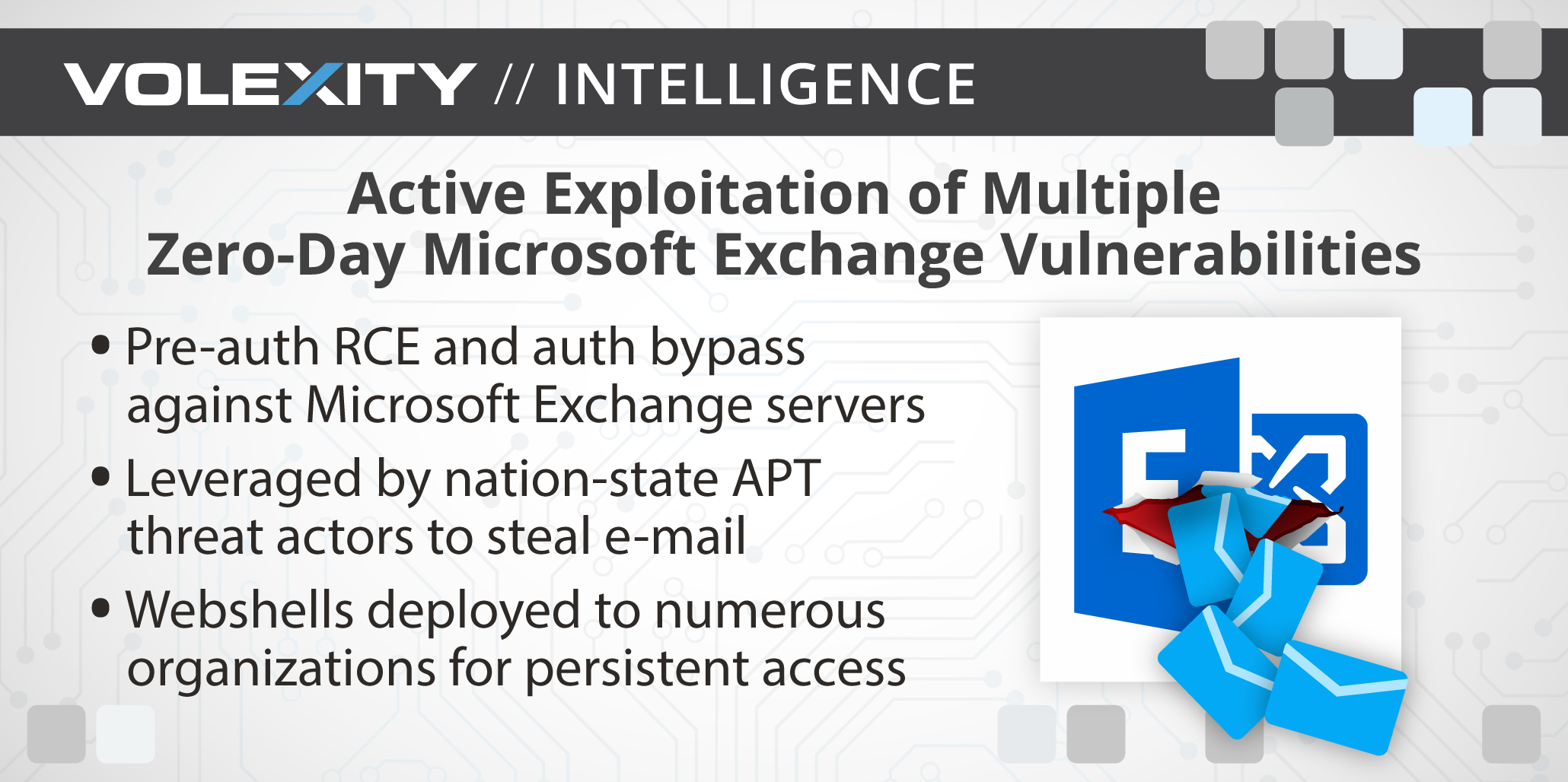
The newly identified zero-day flaw targets critical components of Microsoft Exchange Server, allowing sophisticated threat actors to bypass authentication protocols and execute arbitrary code with elevated privileges. Because the vulnerability was actively weaponized in targeted campaigns before the vendor or the broader security community became aware of its existence, defenders have had zero lead time to harden their perimeters proactively.
According to threat intelligence briefings circulating among enterprise security operations centers (SOCs), the exploit chain leverages deep-seated architectural dependencies within Exchange's web components. Threat actors are utilizing these vectors to establish persistent command-and-control access, exfiltrate sensitive executive communications, and pivot laterally into adjacent internal networks. The absence of an immediate vendor-supplied patch means that standard incident response playbooks—which typically rely on the swift application of cumulative updates—are rendered obsolete, forcing security teams to rely on imperfect, manual configurations such as URL rewrite rules, HTTP traffic filtering, and the disabling of vulnerable backend services.
The macroeconomic implications of such unpatched vulnerabilities extend far beyond immediate operational disruption. For enterprise risk committees, an unmitigated zero-day threat represents a direct assault on operational integrity. Organizations unable to isolate or protect their messaging infrastructure face severe business interruption risks, intellectual property theft, and potential regulatory sanctions for failing to safeguard sensitive corporate and customer data.
Verified Data & Metrics Breakdown
| Metric / Parameter | Current Status | Enterprise Impact & Strategic Context |
|---|---|---|
| Incident Discovery Date | May 18, 2026 | Marks the beginning of active incident response coordination and threat intelligence sharing. |
| Vendor Patch Availability | None (As of reporting) | Forces reliance on temporary workarounds, increasing operational friction and human error risk. |
| Target Infrastructure | Microsoft Exchange On-Premises & Hybrid | Disproportionately affects heavily regulated sectors (finance, healthcare, defense) retaining local server deployments. |
| Exploitation Status | Active In-The-Wild | High-priority threat state requiring 24/7 log monitoring and aggressive perimeter defense. |
Industry & Market Implications: Winners, Losers, and Capital Allocation
The revelation of an unpatched, actively exploited Microsoft Exchange zero-day is already generating profound ripples across global financial markets, technology valuations, and enterprise capital allocation strategies. The economic fallout is reshaping competitive dynamics within the enterprise software and cybersecurity sectors.
The Push Toward Cloud Compute Architecture and SaaS
For years, multinational corporations, government agencies, and financial institutions have debated the total cost of ownership (TCO) between maintaining on-premises data infrastructure and migrating entirely to cloud-native, multi-tenant architectures like Microsoft 365 or Google Workspace. This latest zero-day crisis acts as a powerful catalyst accelerating cloud-compute architecture adoption. Enterprises that have delayed their cloud migrations due to data sovereignty or legacy software dependencies are now recalculating their risk models. The capital expenditure (CapEx) associated with maintaining secure on-premises hardware and specialized server administration teams is increasingly viewed as an inefficient use of capital when compared to the continuous, automated security posture offered by hyperscale cloud providers.
Cybersecurity Vendors and Managed Detection Service Providers
In the wake of the disclosure, cybersecurity equities and managed detection and response (MDR) service providers are experiencing heightened market demand. With official patches unavailable, corporations are rapidly increasing their security budgets to retain elite incident response firms, deploy advanced Endpoint Detection and Response (EDR) agents, and implement continuous network traffic analysis. Firms specializing in perimeter defense, attack surface management, and automated threat hunting stand to capture significant wallet share as CIOs reallocate discretionary budgets toward immediate risk mitigation.
Reputational and Valuation Pressures on Enterprise Software Giants
Conversely, platform providers whose ecosystems harbor legacy on-premises architecture face renewed scrutiny from institutional investors and regulatory bodies. While cloud-first models insulate customers from infrastructure-level vulnerabilities, the enduring footprint of on-premises Exchange servers highlights the complex transition challenges faced by legacy tech behemoths. Valuation multiples for software vendors lagging in mandatory cloud transitions may face downward pressure as institutional shareholders demand tighter security guarantees and accelerated depreciation of unsecure legacy codebases.
Frequently Asked Questions (People Also Ask)
What is a zero-day vulnerability, and why is this Microsoft Exchange incident particularly dangerous?
A zero-day vulnerability refers to a software security flaw that is known to attackers before the software vendor is aware of it or before an official patch has been released. This Microsoft Exchange zero-day is exceptionally dangerous because threat actors are actively exploiting it in the wild to breach corporate networks, and organizations possess no vendor-provided software update to permanently close the security gap, leaving them dependent on temporary, manual workarounds.
Which specific systems and organizations are most at risk from this exploit?
Organizations running on-premises Microsoft Exchange Server instances and hybrid configurations are directly exposed. Institutions in highly regulated sectors—such as banking, healthcare, energy, and defense—that maintain local servers for strict data governance reasons face the highest operational risk, as their infrastructure frequently holds high-value intellectual property and sensitive executive communications.
What immediate mitigations can IT and security teams implement while waiting for an official patch?
In the absence of an official vendor patch, security teams are implementing emergency defensive measures recommended by intelligence agencies and threat researchers. These include restricting external inbound remote PowerShell access, implementing strict URL rewrite rules to block malicious HTTP requests, segmenting internal networks to prevent lateral movement, and deploying aggressive, 24/7 log monitoring to detect anomalous access patterns indicative of compromise.
How will this incident impact future enterprise IT budgets and cloud migration strategies?
This crisis is expected to accelerate the wholesale retirement of on-premises email servers. Chief Information Officers (CIOs) and risk committees are expected to reallocate capital expenditure away from local hardware maintenance toward fully managed cloud-native SaaS environments. Furthermore, security budgets will increasingly prioritize proactive threat intelligence, continuous attack surface monitoring, and managed detection services.
Future Outlook: Navigating the Post-Disclosure Horizon
As the tech industry awaits an official, emergency security update from Microsoft, the immediate priority for enterprise leadership is absolute vigilance. The coming weeks will test the resilience of corporate incident response plans and strain IT workforces tasked with maintaining defensive postures around legacy infrastructure.
Looking further ahead, the May 2026 Exchange zero-day incident will likely serve as a permanent inflection point in corporate governance regarding software lifecycle management. Regulatory bodies across North America, Europe, and Asia-Pacific are expected to review compliance frameworks, potentially introducing stricter liability standards for enterprises maintaining unpatched or legacy software environments. For capital allocators, CISOs, and executive boards, the message is unequivocal: reducing systemic operational risk requires not just reactive patching, but a decisive, strategic pivot toward resilient, cloud-native architectures where security is continuously maintained at scale.