Pyongyang Raises the Stakes: North Korea Launches Twin Ballistic Missiles in Calculated Warning to Washington
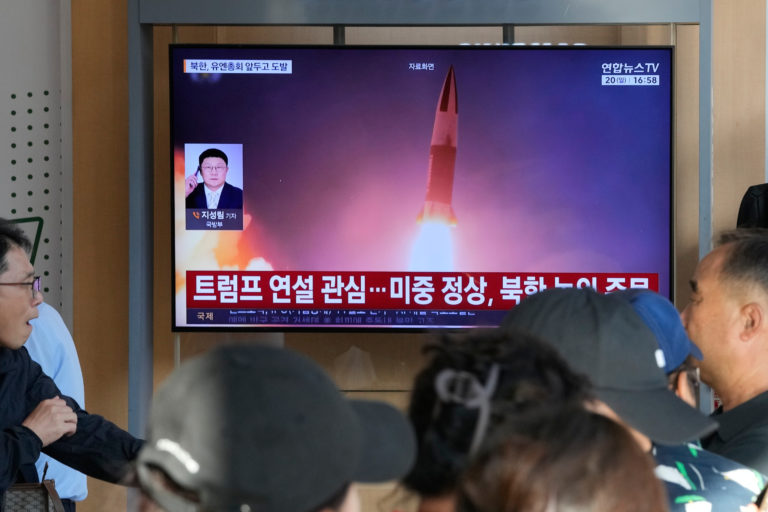
SEOUL — In a move that has sent tremors through diplomatic circles from Tokyo to Washington, North Korea fired two short-range ballistic missiles into its eastern waters early this morning. The sudden launch, confirmed by South Korea’s Joint Chiefs of Staff (JCS) and Japanese defense officials, represents a sharp escalation in Pyongyang's efforts to force concessions from the United States and its regional allies. Coming on the heels of renewed joint military drills between the U.S. and South Korea, the double launch signals that Kim Jong Un is transitioning from quiet consolidation back to aggressive brinkmanship.
Geopolitical analysts view the timing as a deliberate provocation aimed squarely at the Biden administration's defense posturing in the Indo-Pacific. By showcasing its rapidly advancing missile technology, North Korea is signaling its refusal to be sidelined on the global stage, even as the international community remains preoccupied with conflicts in Europe and the Middle East.
Executive Summary: The Flashpoint in the East Sea
- The Launch: Two short-range ballistic missiles (SRBMs) were fired from the western coast of North Korea, traversing approximately 360 kilometers before splashing down in the waters between the Korean Peninsula and Japan.
- Strategic Intent: The test is widely interpreted as a direct response to the arrival of high-profile U.S. military assets in the region, including nuclear-powered submarines and joint aerial drills with South Korean forces.
- Regional Fallouts: South Korea’s military has entered an enhanced state of readiness, while Tokyo has lodged a formal diplomatic protest, calling the launches a "grave threat to regional peace and navigation security."
- Market Implications: While Asian markets remained stable, defense and security-related equities in Seoul and Tokyo saw a brief uptick, reflecting anticipated increases in regional defense procurement.
Anatomy of the Launch: Speed, Range, and Altitude
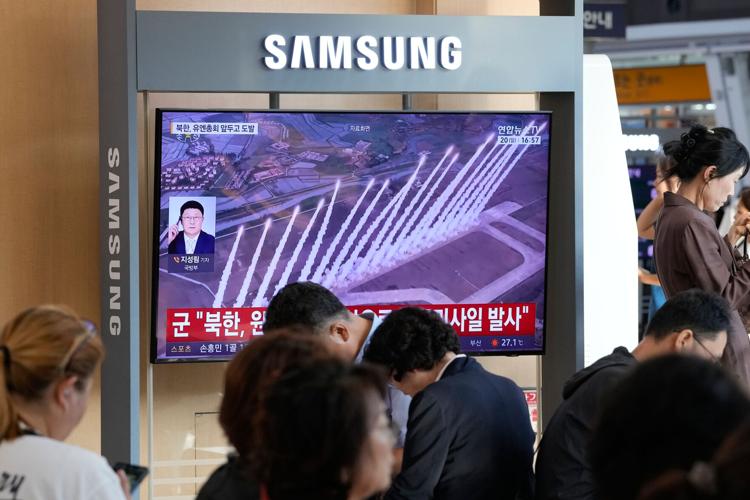
According to flight telemetry shared by South Korea’s JCS and Japan’s Ministry of Defense, the missiles were launched at approximately 6:00 AM local time from an area near Pyongyang. Both projectiles flew on a highly lofted trajectory, reaching an altitude of approximately 50 kilometers (31 miles) before landing outside of Japan’s Exclusive Economic Zone (EEZ).
Military experts note that the flight path and distance suggest the missiles were designed to target key infrastructure inside South Korea, including major military ports and U.S. bases. The weapon systems tested are believed to be solid-fueled, maneuverable missiles that are highly mobile, difficult to detect prior to launch, and capable of evading modern missile defense batteries such as the Patriot and THAAD systems deployed in the region.
| Metric / Parameter | Observed Data | Strategic Assessment |
|---|---|---|
| Missile Type | Short-Range Ballistic Missile (SRBM) | Solid-fueled, quick-response capability. |
| Launch Location | Pyongyang Region | Demonstrates capability to fire from highly populated/defended areas. |
| Flight Distance | ~360 Kilometers | Puts entire South Korean mainland within striking distance. |
| Peak Altitude | ~50 Kilometers | Designed to bypass traditional radar detection envelopes. |
The Geopolitical Chessboard: Why Kim is Dialing Up the Pressure
The latest missile tests are not happening in a vacuum. For months, Washington, Seoul, and Tokyo have been tightening their trilateral security alliance, conducting larger-scale military exercises and sharing real-time missile warning data. From Pyongyang’s perspective, these actions are a rehearsal for an invasion. By firing these missiles, North Korea seeks to demonstrate that it retains a robust, survivable retaliatory strike capability.
Furthermore, analysts suggest that Kim Jong Un is looking ahead to the upcoming global political calendar. By raising the military temperature now, Pyongyang is positioning itself to demand significant concessions—such as the lifting of crippling economic sanctions—in any future negotiations with the next U.S. presidential administration. The message is clear: North Korea will not denuclearize, and any diplomacy must proceed on the basis of its status as a de facto nuclear weapons state.
"North Korea is systematically demonstrating that its nuclear arsenal is not merely symbolic, but an operational force ready for deployment," says Dr. Lee Sang-woo, a senior security analyst at the Seoul-based Sejong Institute. "They are testing the limits of Washington's deterrence guarantees to its Asian allies."
Economic and Trade Implications: Supply Chains on Edge
While the immediate military threat remains localized, the economic ramifications of sustained instability in the Sea of Japan (East Sea) are significant. The region contains some of the busiest commercial shipping lanes in the world, critical to the flow of semiconductors, automobiles, and liquid natural gas (LNG) destined for global markets. Continued missile testing risks raising marine insurance premiums and disrupting just-in-time supply chains that underpin the global technology sector.
Furthermore, the escalation is likely to accelerate the defense spending boom in East Asia. Both Japan and South Korea have already committed to historic increases in their defense budgets, with Tokyo moving toward acquiring counterstrike capabilities and Seoul investing heavily in domestic missile production. This trend is expected to benefit major U.S. and allied defense contractors, even as it strains national budgets already burdened by high inflation and rising debt-servicing costs.
Future Outlook: Is a Seventh Nuclear Test Imminent?
The big question hanging over the Indo-Pacific is whether these ballistic missile launches are a prelude to a much larger provocation. Intelligence agencies in Seoul and Washington have warned for over a year that North Korea has completed preparations for its seventh underground nuclear test. A nuclear detonation would shatter the fragile regional status quo and force a dramatic re-evaluation of Western security strategy in Asia.
For now, the U.S. Indo-Pacific Command has reiterated its "ironclad" commitment to the defense of South Korea and Japan. However, with limited diplomatic leverage and China and Russia consistently vetoing new United Nations sanctions against Pyongyang, Washington's options to curb Kim Jong Un's nuclear ambitions remain frustratingly constrained.
Frequently Asked Questions
Why did North Korea launch these missiles now?
North Korea typically times its missile tests to protest joint U.S.-South Korean military exercises, which it views as a rehearsal for invasion. Additionally, Pyongyang uses these launches to test and refine its weapons technology and to project strength domestically and internationally amid economic challenges at home.
How does this impact global markets and defense stocks?
While broad financial markets historically show resilience to North Korean provocations, prolonged tension tends to boost defense sector stocks in the U.S., Japan, and South Korea. It also adds a layer of risk to regional shipping and supply chains, particularly for high-value components like semiconductors manufactured in East Asia.