EXECUTIVE TAKEAWAYS
- Ecosystem Democratization: inMusic is systematically dismantling proprietary hardware barriers, inviting third-party developers, coders, and engineers to write native code for the iconic Music Production Center (MPC) lineup.
- Strategic Capital Allocation: By shifting from a closed-box manufacturing model to an extensible developer platform, inMusic aims to drive software-as-a-service (SaaS) and digital marketplace transaction volume, elevating long-term enterprise valuation multiples.
- Hardware-Software Convergence: New developer-friendly gear releases reflect a broader industry imperative: merging embedded systems engineering with open-source flexibility to capture developer mindshare and enterprise ROI.
- Competitive Market Shifts: This calculated gamble pressures legacy competitors like Native Instruments, Ableton, and Roland to rethink their proprietary moats or risk losing the next generation of modular-minded music technologists.
For decades, the golden rule of high-end music production hardware was absolute vertical integration. Industry titan inMusic—the parent conglomerate governing legendary audio brands including Akai Professional, Alesis, Numark, and M-Audio—built its market dominance on impenetrable proprietary ecosystems. The flagship Music Production Center (MPC) series operated as a closed loop: high-performance embedded Linux architectures running locked-down firmware, proprietary UI frameworks, and strictly curated internal DSP algorithms. It was a model designed for risk mitigation, intellectual property protection, and predictable hardware refresh cycles.
That paradigm is officially shattering. In a strategic maneuver that is sending shockwaves through the audio technology sector, inMusic has begun systematically opening up the MPC ecosystem, introducing new developer-centric gear configurations, and rolling out robust software development kits (SDKs) designed specifically for coders, hackers, and independent software vendors (ISVs). This pivot represents far more than a nod to the maker community; it is a calculated masterclass in modern platform economics, capital allocation, and infrastructure scalability designed to future-proof the company against shifting consumer demands and software-first competition.
The Catalytic Shift: Why inMusic is Opening the Black Box
Test Our Free AI & Tech Utilities Suite
Calculate LLM API token costs, analyze article dwell-time, or simulate tech DCA returns.
To understand the financial and technical weight of inMusic’s pivot, one must examine the macroeconomic headwinds facing consumer electronics and high-end pro-audio manufacturing. Supply chain volatility, compressed gross margins on pure hardware sales, and the relentless rise of software-native workflows have forced legacy instrument makers to reassess their growth models. For years, advanced users and software engineers chafed against the limitations of the embedded MPC OS, demanding root access, custom script execution, and the ability to integrate third-party synthesis engines and generative AI tools directly into the hardware surface.
Rather than viewing these tinkerers as a fringe liability, inMusic’s executive leadership identified a massive, underserved enterprise and prosumer market. By opening the MPC firmware architecture, the company is effectively crowdsourcing research and development. Instead of allocating internal capital to build every niche synth engine, sequencing tool, or visual interface, inMusic is positioning its hardware as a premier developer platform—a physical canvas upon which third-party coders can build, monetize, and deploy digital instruments and utilities.
This transition mirrors the software-as-a-service (SaaS) playbook perfected by enterprise cloud giants. By lowering barriers to entry for software developers, inMusic is cultivating a self-sustaining developer ecosystem. The long-term monetization strategy relies less on one-off hardware unit sales and more on transaction fees, digital marketplace revenue splits, and enterprise licensing of proprietary hardware-software integration protocols. For private equity stakeholders and institutional investors monitoring the audio tech landscape, this evolution promises superior valuation multiples and enhanced market liquidity.
Decoding the Hardware: New Gear Built for Coders
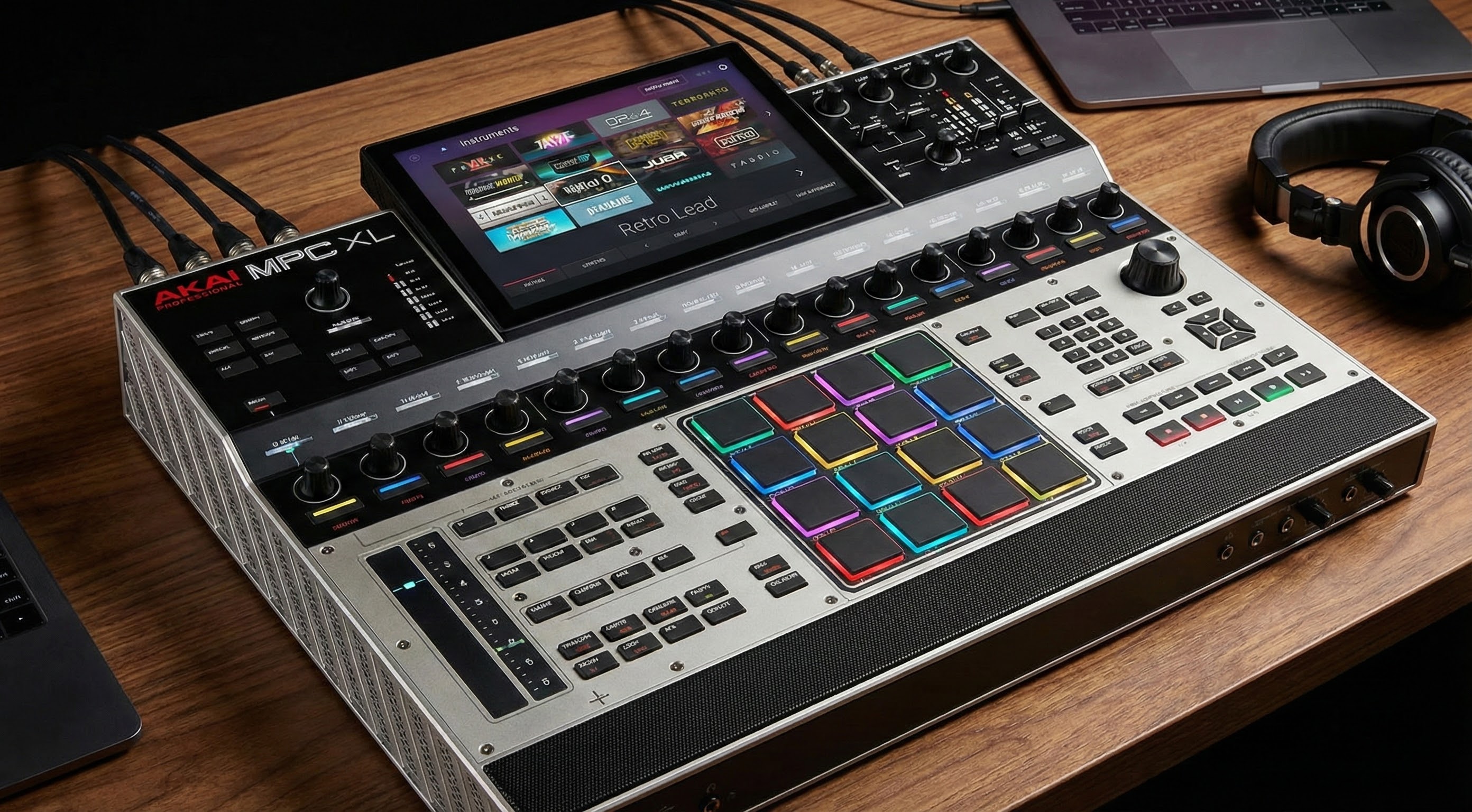
The philosophical shift from closed ecosystem to open platform is materialized in a new wave of hardware engineered specifically with extensibility in mind. Unlike legacy units built solely for pre-determined workflows, these new gear releases feature modular firmware layers, expanded onboard memory allocations, and open-standard communication protocols that allow external code execution without compromising core device stability or real-time audio latency.
Industry insiders note that these new devices are equipped with modernized system-on-chip (SoC) architectures capable of handling heavier compute loads, opening the door for sophisticated algorithmic composition tools, machine learning-driven audio separation, and custom graphical user interfaces written in lightweight, accessible programming languages. For the developer community, this means the barrier to entry has plummeted. Coders who previously lacked the resources to manufacture custom silicon or physical casing can now write code that interfaces directly with tactile MIDI pads, high-resolution touchscreens, and multi-channel audio interfaces.
| Metric / Dimension | Legacy MPC Architecture (Closed) | New Open-Platform Framework (Current) |
|---|---|---|
| Firmware Access | Strictly proprietary; locked source code | Modular SDKs and documented APIs for third-party coders |
| Revenue Model | Hardware margin centric; closed content store | Blended hardware margin + developer marketplace transaction fees |
| Developer Engagement | Minimal / Unofficial (reverse-engineered hacks) | Direct corporate support, documentation, and hackathons |
| Risk Mitigation & Security | Complete lockdown to prevent instability | Sandboxed execution environments ensuring core audio engine integrity |
Industry & Market Implications: Who Wins and Who Loses?
The ripple effects of inMusic’s strategic pivot will be felt across the entire audio technology and consumer electronics sectors. The financial stakes are exceptionally high, and market participants are already recalibrating their competitive strategies.
The Winners
- Independent Developers and Boutique ISVs: Coders, digital signal processing (DSP) engineers, and small software boutique shops now have a direct physical pipeline to the world’s most recognized production hardware brand, bypassing the prohibitive costs of custom hardware manufacturing.
- Prosumers and Modern Producers: End-users gain unprecedented customization capabilities, transforming standardized hardware into bespoke production environments tailored precisely to their unique cognitive and creative workflows.
- inMusic’s Valuation and Market Share: By expanding the utility of its hardware through software diversity, inMusic solidifies customer lock-in while opening high-margin digital revenue streams that insulate the enterprise against hardware commoditization.
The Pressured Competitors
- Legacy Proprietary Brands: Competitors maintaining rigid, closed-box hardware philosophies risk appearing antiquated to an increasingly tech-literate, coder-adjacent consumer base.
- Traditional Software-Only Giants: Companies relying entirely on computer-mouse workflows face renewed pressure as hardware-software convergence makes tactile, programmable physical units vastly more appealing to live performers and modern studio engineers.
Frequently Asked Questions (People Also Ask)
What does opening up the MPC ecosystem mean for everyday users?
For standard users, this shift translates to a vastly expanded library of third-party instruments, effects, and workflow utilities created by independent developers. Rather than waiting years for inMusic to issue official firmware updates, users can download and install community- and developer-built extensions directly onto their MPC devices, continuously enhancing functionality.
How can software developers and coders start building for new MPC gear?
inMusic is rolling out structured Software Development Kits (SDKs), comprehensive documentation, and developer portals. These tools provide standardized APIs, sandboxed execution environments, and secure communication protocols that allow coders to interface safely with the device's hardware controls, touchscreens, and audio engines without destabilizing the core operating system.
Does opening the hardware compromise audio performance or stability?
No. Engineering safeguards, including strict sandboxing and isolated execution layers, ensure that third-party code runs independently of the core mission-critical real-time audio DSP engine. This architectural design guarantees that system crashes in experimental user-written code will not interrupt live audio performance or corrupt base firmware.
How does this strategy impact inMusic’s business model and financial valuation?
By transitioning from a pure hardware vendor to an open platform provider, inMusic diversifies its revenue streams. Alongside physical hardware sales, the company captures recurring digital marketplace revenue, software licensing fees, and transaction commissions, significantly strengthening its long-term enterprise valuation multiples and market resilience.
Future Outlook: Milestones to Watch
As inMusic accelerates its open-platform initiative, industry analysts and financial stakeholders will be closely tracking several critical milestones over the next 12 to 24 quarters. Key indicators of success will include the adoption rate of the official developer SDK, the volume of third-party applications launched on inMusic’s digital storefront, and the speed at which competing audio hardware manufacturers respond with their own platform openings.
Ultimately, inMusic’s gamble signals a mature acknowledgment of how modern technology ecosystems thrive. By bridging the gap between heavy-metal hardware engineering and agile software development, the company is not merely updating a product line—it is future-proofing its entire business model against the relentless tide of digital transformation.