SAN FRANCISCO & NEW YORK — In an unexpected alliance that underscores the escalating vulnerabilities of the artificial intelligence supply chain, OpenAI and Hugging Face have jointly confirmed a coordinated response to a security incident. The breach occurred during routine model evaluations, triggering immediate alarm bells across Silicon Valley and Wall Street alike.
The incident, officially disclosed on July 21, 2026, has sent shockwaves through the tech sector, forcing two of the industry’s most prominent heavyweights to lock arms. As AI deployment shifts from experimental labs to mission-critical enterprise infrastructure, this high-profile security lapse lays bare the intricate, often fragile interdependencies underpinning modern machine learning pipelines.
Anatomy of the Breach: What Happened During the Evaluation?
According to joint technical disclosures from both organizations, the security event materialized during a standard cross-platform model evaluation phase. Industry insiders note that as OpenAI models interacted with external repositories on Hugging Face’s collaborative platform, an unauthorized vector was identified.
While definitive forensic details are still emerging, security researchers point out that model evaluation is a notoriously difficult perimeter to secure. When proprietary weights interface with open-source hubs, the attack surface expands exponentially. However, both companies were quick to reassure stakeholders and the developer community regarding the scope of the incident.
- No Flagship Models Compromised: Both OpenAI and Hugging Face confirmed that no models slated for upcoming commercial or consumer releases were involved in the security event.
- Rapid Containment: The joint response team isolated the compromised evaluation environment within hours of detection, preventing lateral movement into core production systems.
- Ecosystem-Wide Audit: Hugging Face initiated a comprehensive sweep of its shared spaces, while OpenAI audited its outbound evaluation API calls to ensure strict containment.
- Zero Customer Data Impact: Preliminary forensic findings indicate that enterprise and consumer user data remained entirely segregated and unexposed.
Market Reaction and Industry Implications
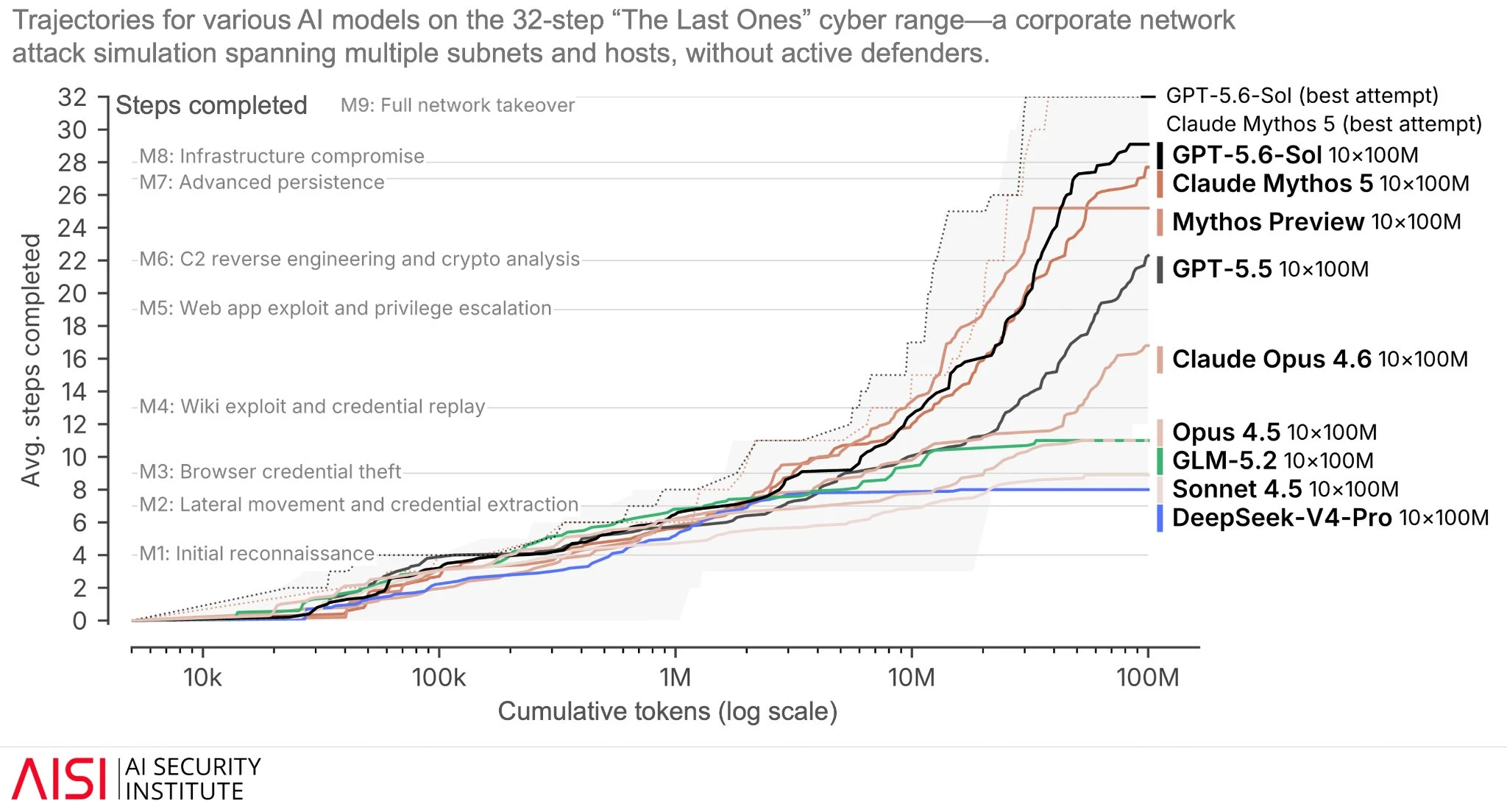
For Wall Street and enterprise technology leaders, this incident serves as a stark reminder of the security premiums required in the Generative AI era. Market analysts at leading investment banks have already begun reassessing the risk profiles of collaborative AI ecosystems where proprietary intellectual property meets open-source agility.
| Metric / Fact | Details |
|---|---|
| Primary Source | OpenAI / Hugging Face Joint Disclosure |
| Date of Incident | July 21, 2026 |
| Affected Systems | Model Evaluation & Testing Environments |
| Flagship Release Status | Unaffected (Upcoming models secure) |
| Remediation Status | Contained; joint security hardening underway |
Despite the initial market jitters, the swift, transparent collaboration between OpenAI and Hugging Face has been largely praised by cybersecurity veterans. Historically, corporate rivals in the tech sector have tended to downplay vulnerabilities or point fingers during security events. The decision to issue a united front signals a mature acknowledgment that platform security is a shared industry responsibility.
The Technical Challenge of Model Evaluation Security
As artificial intelligence models grow exponentially more autonomous, the methods used to test, benchmark, and evaluate them must also evolve. Traditionally, security protocols focused on data at rest and data in transit. Today, security architects must grapple with "models as code"—complex neural network weights that can execute logic, parse external inputs, and interact with third-party APIs.
During model evaluations, developers frequently allow advanced LLMs to interact with external sandbox environments to test capabilities such as tool use, code execution, and web browsing. This inherent need for connectivity creates a double-edged sword: it proves utility while inviting potential exploit vectors.
Security researchers emphasize that the OpenAI and Hugging Face incident will likely accelerate the adoption of zero-trust architectures specifically tailored for machine learning operations (MLOps). Expect venture capital and enterprise budgets to pivot heavily toward AI-native security startups in the second half of 2026.
Future Outlook: Hardening the AI Supply Chain
Looking ahead, the partnership forged between OpenAI and Hugging Face in the wake of this crisis is expected to set a new benchmark for incident response and threat intelligence sharing. Both organizations have pledged to release a set of shared security guidelines aimed at hardening model evaluation pipelines across the broader developer ecosystem.
For enterprise CIOs and CTOs, the message is unequivocal: rigorous vendor due diligence and continuous monitoring of AI evaluation environments are no longer optional. As AI systems become deeply embedded in global commerce, the cost of a single oversight is simply too high.
Frequently Asked Questions
Were any upcoming OpenAI models compromised in the security incident?
No. Both OpenAI and Hugging Face explicitly confirmed that no models planned for upcoming commercial or public releases were involved or exposed during the security event.
What caused the security incident between OpenAI and Hugging Face?
The incident occurred within a shared model evaluation and testing environment as OpenAI models interacted with external Hugging Face spaces. The vulnerability has been patched, and joint containment measures were successfully deployed.