
Executive Takeaways
- Massive Capital Deployment: Oracle is actively orchestrating a historic capital-raising campaign targeting upwards of $20 billion to aggressively expand its cloud compute architecture and AI data center footprint.
- The Infrastructure Squeeze: Driven by unprecedented enterprise demand for high-performance GPU clusters—most notably from generative AI pioneers—Oracle Cloud Infrastructure (OCI) faces a critical race for capacity and infrastructure scalability.
- Balance Sheet Transformation: This strategic shift signals a pivot from Oracle’s traditional conservative capital allocation model to aggressive, debt-financed growth to capture market share from hyperscale rivals AWS, Microsoft Azure, and Google Cloud.
- Risk Mitigation & Valuation: Financial markets are closely scrutinizing the enterprise ROI of these massive capital outlays, balancing near-term liquidity and valuation multiples against long-term recurring cloud revenue streams.
The Catalyst: Fueling the Generative AI Super-Cycle
In the high-stakes arena of enterprise technology, capital allocation has officially taken on wartime velocity. Oracle Corp., traditionally known for its disciplined balance sheet management, software dominance, and methodical dividend growth, is stepping into the trenches of the generative AI infrastructure race. According to senior banking sources and market insiders close to the discussions, Oracle is positioning itself to secure roughly $20 billion in fresh financing. This capital mobilization is designed to fund an aggressive expansion of its global data center footprint, directly targeting the insatiable compute requirements of frontier large language model (LLM) developers and Fortune 500 enterprises alike.
This calculated maneuver underscores a profound structural shift across the technology sector. For years, the hyperscale cloud compute architecture market was dominated by a triumvirate: Amazon Web Services (AWS), Microsoft Azure, and Google Cloud Platform. However, Oracle Cloud Infrastructure (OCI) has emerged as a formidable dark horse, largely due to its architectural emphasis on high-performance networking, low-latency GPU clusters, and strategic partnerships with industry-defining AI innovators like OpenAI, Cohere, and Elon Musk’s xAI.
To sustain this momentum, Oracle requires unprecedented liquidity. Building state-of-the-art, liquid-cooled facilities capable of housing tens of thousands of advanced NVIDIA chips demands billions in upfront capital expenditure (CapEx). By pursuing this massive debt and capital-raising strategy, Chairman and CTO Larry Ellison and CEO Safra Catz are doubling down on the thesis that enterprise adoption of AI agents and autonomous workflows will create a multi-decade super-cycle of recurring cloud revenue.
Anatomy of the Capital Stack: Balancing Leverage and Liquidity
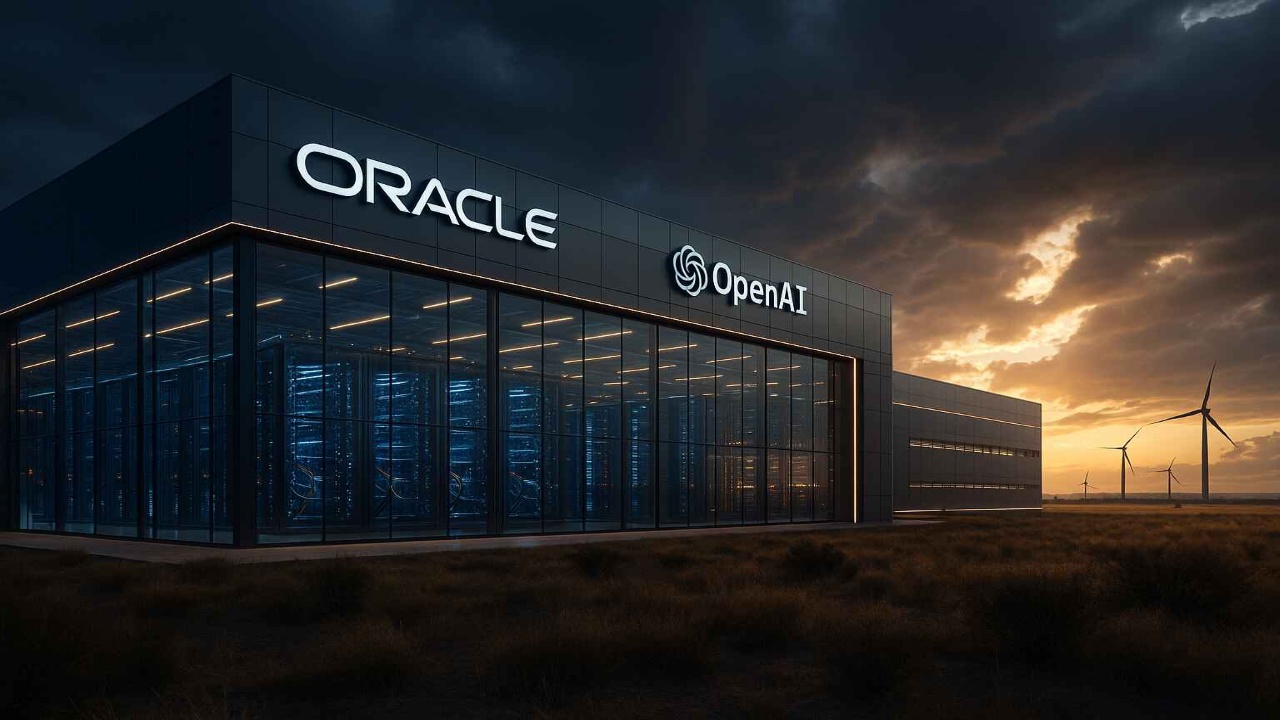
Execution of a $20 billion funding operation requires sophisticated financial engineering. In an environment characterized by fluctuating interest rates and tightening credit spreads, corporate treasurers must meticulously calibrate their debt issuance strategy. Oracle’s planned capital raise is expected to leverage a combination of investment-grade corporate bond offerings, syndicated term loans, and potentially structured project finance vehicles tied directly to specific data center builds.
Historically, Oracle has maintained a healthy balance sheet, utilizing its robust operating cash flows to fund share buybacks and strategic acquisitions, such as its $28 billion buyout of Cerner. However, absorbing a multi-billion-dollar debt load to fund greenfield and brownfield AI infrastructure temporarily alters the company’s risk profile. Credit rating agencies have maintained a watchful eye on Oracle’s leverage ratios, emphasizing that while top-line cloud growth remains explosive, the execution risk associated with capital-intensive hardware buildouts cannot be ignored.
Market liquidity remains favorable for blue-chip issuers with demonstrable revenue growth. Institutional investors hungry for high-yield, investment-grade paper backed by tangible enterprise cash flows have shown strong appetite for Oracle's recent debt outings. Nevertheless, the ultimate success of this capitalization strategy hinges on whether OCI can maintain its pricing power and secure long-term, high-margin enterprise contracts before industry-wide supply chains saturate.
Verified Data & Metrics Breakdown
To fully grasp the macroeconomic and corporate implications of Oracle's capital push, we must evaluate the core operational metrics driving this strategic pivot. The table below outlines key financial and infrastructure indicators defining Oracle's current market position.
| Metric / Indicator | Current Status / Target | Strategic Implication |
|---|---|---|
| Target Capital Raise | ~$20 Billion | Funds global data center expansion and next-gen GPU clusters. |
| OCI Growth Trajectory | 50%+ Year-over-Year | Validates market share capture from legacy hyperscalers. |
| Primary Hardware Focus | NVIDIA Blackwell & H200 Clusters | Ensures ultra-low-latency performance required for frontier LLM training. |
| Regulatory & Compliance Scope | Global Sovereign Clouds | Meets stringent data residency laws for defense, healthcare, and finance. |
Industry & Market Implications: Winners, Losers, and Economic Realities
Oracle’s aggressive capital mobilization reverberates across the entire technology ecosystem, creating distinct ripples among competitors, hardware suppliers, and enterprise clients.
The Winners
- Semiconductor Manufacturers & Hardware Vendors: Companies designing high-end accelerators, networking gear, and liquid-cooling solutions stand to capture significant revenue as Oracle procures massive amounts of physical hardware.
- Enterprise Software Buyers: Increased market competition among cloud providers drives pricing efficiencies, giving corporate CIOs greater leverage when negotiating multi-year enterprise agreements.
- Real Estate & Energy Developers: The insatiable power demands of AI data centers have forged lucrative partnerships between tech giants and energy providers, boosting commercial real estate markets in strategic power corridors.
The Losers and Watchlist Risks
- Legacy On-Premises IT Vendors: Organizations slow to migrate workloads to advanced cloud environments risk terminal obsolescence as enterprise budgets overwhelmingly shift to AI-optimized infrastructure.
- Hyperscale Incumbents: While AWS, Microsoft, and Google maintain market share leads, Oracle's hyper-aggressive positioning nibbles away at high-value AI workloads, forcing margin-compressing competitive pricing.
Frequently Asked Questions (People Also Ask)
Why does Oracle need to raise $20 billion specifically for AI?
Building modern artificial intelligence infrastructure requires extreme capital expenditure. Training and running advanced large language models demand massive clusters of specialized graphics processing units (GPUs), ultra-fast networking fabrics, and specialized data centers capable of supplying megawatts of power and liquid cooling. The $20 billion capital raise provides the necessary balance sheet liquidity to scale these physical assets rapidly without starving Oracle's core enterprise software operations.
How does this capital raise impact Oracle's debt rating and financial stability?
While increasing corporate debt temporarily raises financial leverage, credit markets and rating agencies evaluate this move against Oracle's predictable, high-margin recurring software revenues and booming cloud growth. If OCI successfully converts this infrastructure into long-term enterprise contracts, the capital outlay will be viewed as a high-return investment rather than a balance sheet liability.
Who are Oracle's primary competitors in the AI cloud infrastructure market?
Oracle competes directly with the dominant hyperscale cloud providers: Amazon Web Services (AWS), Microsoft Azure, and Google Cloud Platform. However, Oracle has carved out a distinct competitive advantage by offering exceptionally high-performance, cost-effective networking architectures tailored specifically for large-scale AI model training.
What are the risks associated with Oracle's AI infrastructure expansion?
Key risks include potential oversupply of compute capacity if enterprise AI adoption plateaus, supply chain bottlenecks for next-generation hardware chips, rising global energy costs, and execution risks tied to rapid global data center construction and regulatory compliance.
Future Outlook: Critical Milestones to Monitor
As Oracle navigates this transformative capital-raising phase, Wall Street and enterprise technology analysts will be tracking several vital milestones over the next 12 to 24 months. First, quarterly earnings reports must demonstrate sustained, accelerated growth within Oracle Cloud Infrastructure (OCI), validating that new data center capacity is rapidly being monetized at attractive operating margins.
Second, observers will monitor the precise structure, timing, and pricing of Oracle's debt issuances to gauge institutional investor confidence and cost-of-capital dynamics. Finally, developments surrounding regulatory approvals for sovereign cloud deployments and strategic partnerships with premier AI labs will dictate whether Oracle successfully cements its status as an indispensable pillar of the global artificial intelligence economy.
Investigative reporting by the Financial Desk. Additional reporting from Silicon Valley bureaus. © 2025 Global Financial Wire Services. All rights reserved.