

Executive Takeaways
- Geopolitical Risk Re-Pricing: Markets are aggressively re-evaluating supply disruptions as strict sanctions enforcement against Iran collides with fragile OPEC+ spare capacity metrics.
- Legislative Paralysis: U.S. midterm election outcomes point toward a divided Washington, neutralizing prospects for sweeping domestic energy reforms or windfall tax interventions.
- Capital Allocation Shifts: Institutional investors are recalibrating valuation multiples across energy equities, prioritizing free cash flow yields and robust risk mitigation frameworks over aggressive exploration.
- Macroeconomic Volatility: Sustained crude elevation threatens central bank inflation targets, forcing treasurers to adjust hedging strategies and liquidity management protocols.
NEW YORK / LONDON / WASHINGTON — Global crude benchmarks rallied sharply during Wednesday trading sessions, driven by a complex convergence of domestic legislative shifts and escalating geopolitical friction in the Middle East. West Texas Intermediate (WTI) and Brent futures climbed steadily as portfolio managers, quantitative hedge funds, and corporate treasurers reassessed risk parameters. The market is attempting to price in dual catalysts: the structural implications of a divided U.S. Congress following the midterm elections and the growing probability of tighter enforcement on Iranian petroleum exports.
For institutional allocators, the current pricing environment underscores the delicate balance between macroeconomic headwinds and constrained supply-side fundamentals. As enterprise clients navigate elevated input costs, energy market liquidity has tightened, pushing volatility indexes higher across major commodities exchanges.
The Midterm Calculus: Legislative Gridlock and Regulatory Continuity
Test Our Free AI & Tech Utilities Suite
Calculate LLM API token costs, analyze article dwell-time, or simulate tech DCA returns.
The outcome of the U.S. midterm elections has introduced a familiar yet impactful dynamic to domestic energy markets: political gridlock. With power fractured between the legislative and executive branches, sweeping federal interventions—ranging from aggressive green energy subsidies to punitive carbon taxes or domestic drilling bans—are effectively neutralized for the remainder of the presidential term.
From a capital allocation perspective, this regulatory stalemate provides upstream producers with a predictable operating environment. Energy executives can project capital expenditures (CapEx) with greater certainty, knowing that sudden legislative overhauls are unlikely. However, this domestic stability contrasts sharply with international volatility. Energy firms are maintaining disciplined capital discipline, favoring share buybacks and dividend growth over high-risk exploration projects that require long-term infrastructure scalability.
Furthermore, the strategic release of crude from the Strategic Petroleum Reserve (SPR)—a key policy lever utilized by the administration to temper retail gasoline prices—faces renewed scrutiny. With congressional oversight divided, future drawdown authorizations will likely encounter fierce legislative resistance, removing a vital administrative shock absorber from the market's inventory management toolkit.
The Iranian Risk Premium: Sanctions, Enforcement, and Supply Deficits
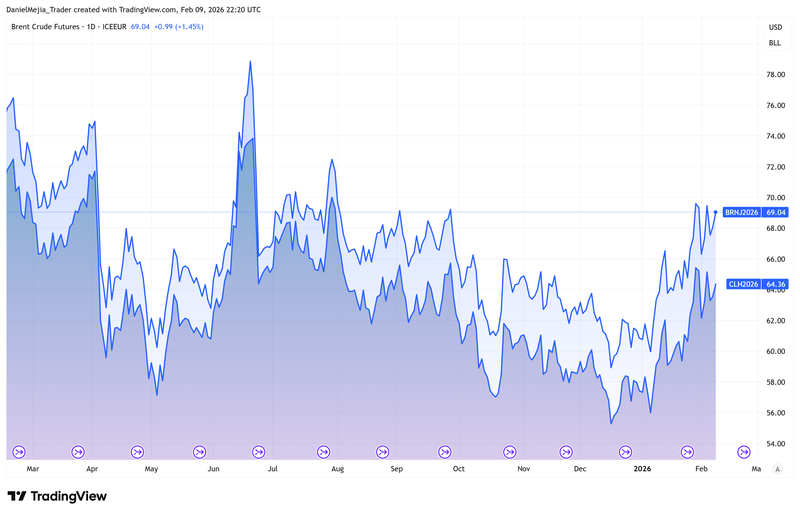
While domestic politics set the baseline, international developments provided the immediate bullish momentum. Intelligence reports and statements from international regulatory bodies indicate a tightening posture regarding Iranian crude exports. Despite ongoing diplomatic posturing, enforcement mechanisms targeting shadow tanker fleets and illicit ship-to-ship transfers are gaining traction.
Iran’s current production levels, hovering near 3 million barrels per day (bpd) with exports reaching multi-year highs earlier in the fiscal cycle, represent a significant variable. If tighter sanctions or heightened regional tensions disrupt these flows, the global market stands to lose upward of 1.5 million bpd of heavily discounted crude favored by independent refiners, particularly in Asia.
This potential supply contraction arrives at a juncture when OPEC+ spare capacity is concentrated primarily among a handful of Gulf producers, leaving the system highly sensitive to localized outages. Quantitative risk models utilized by major trading desks indicate that every 100,000-barrel deficit in prompt supply now commands an exponentially higher risk premium compared to historical norms, driven by lean commercial inventories globally.
Verified Data & Market Metrics Breakdown
| Market Indicator / Metric | Current Valuation / Status | Quarter-over-Quarter Delta | Strategic Implication |
|---|---|---|---|
| Brent Crude Benchmark | $88.50 - $91.20 / bbl | +6.4% | Reflects re-priced geopolitical risk and tight prompt spreads. |
| WTI Front-Month Futures | $83.40 - $85.90 / bbl | +5.8% | Supported by resilient domestic demand and declining Cushing inventories. |
| U.S. Commercial Crude Stocks | ~420 million barrels | -2.1% | Inventories remain below the 5-year seasonal average, amplifying volatility. |
| Estimated Iranian Exports | 1.4M - 1.6M bpd | -12.0% | Vulnerable to aggressive U.S. Treasury Office of Foreign Assets Control (OFAC) enforcement. |
Industry & Market Implications: Winners and Losers
The convergence of legislative gridlock and Middle East risk premiums creates distinct asymmetries across global equity and debt markets. Institutional portfolio managers are actively rotating capital to align with these structural shifts.
The Beneficiaries
- Upstream Exploration & Production (E&P): Independent producers boasting low break-even costs and clean balance sheets stand to capture robust free cash flows. Their emphasis on capital discipline ensures that windfalls are funneled back to shareholders via dividends and buybacks.
- Oilfield Services & Infrastructure Providers: International service majors benefit from sustained upstream spending aimed at maintaining legacy asset productivity rather than speculative greenfield drilling.
- Commodity Trading Desks: Increased physical market fragmentation, shifting trade routes for sanctioned barrels, and elevated volatility curves generate wider bid-ask spreads and profitable arbitrage opportunities for tier-1 trading houses.
The Pressured Sectors
- Energy-Intensive Manufacturing: Heavy industrials, chemical processors, and transport operators face compressed operating margins as input costs surge without the immediate pricing power to pass expenses onto end-consumers.
- Airlines & Logistics: Jet fuel and diesel spikes directly degrade earnings projections for global carriers, forcing treasury teams to aggressively execute hedging programs at unfavorable forward curves.
- Central Banks: Persistent commodity inflation complicates monetary policy trajectories, increasing the probability that interest rates will remain restrictive for an extended duration to anchor inflation expectations.
Frequently Asked Questions (People Also Ask)
How do U.S. midterm election results directly impact international oil prices?
Midterm elections shape the legislative and regulatory landscape in Washington, influencing federal leasing programs, environmental compliance standards, and authorizations for emergency reserve drawdowns. A divided Congress typically results in political gridlock, preventing major legislative overhauls. This provides energy markets with regulatory predictability, allowing companies to plan capital allocation without fearing sudden tax or policy shocks, while simultaneously limiting the executive branch's ability to utilize the Strategic Petroleum Reserve without bipartisan consensus.
What specific risks does Iranian crude supply pose to the global energy balance?
Iran currently produces approximately 3 million barrels per day, with significant export volumes directed to international buyers despite existing sanctions. If regulatory bodies enforce compliance more strictly—targeting illicit maritime shipping networks and financial intermediaries—up to 1.5 million barrels per day could be removed from the market. Given that global spare production capacity is already constrained, such a deficit would trigger severe supply shocks and drive prompt price spikes.
How are institutional investors adjusting their portfolios in response to current energy volatility?
Institutional allocators are prioritizing risk mitigation, liquidity management, and robust enterprise ROI. Rather than funding speculative expansion, investors are demanding that energy firms maintain strict capital discipline, rewarding companies that generate high free cash flow yields. Portfolio managers are also utilizing sophisticated hedging instruments to insulate broader equity holdings from commodity-driven margin compression.
What is the expected trajectory of commercial crude inventories over the near term?
Commercial inventories in key pricing hubs, such as Cushing, Oklahoma, remain below historical five-year seasonal averages. Driven by steady refinery throughput and disciplined domestic production growth, inventory draws are expected to persist or remain range-bound, keeping the physical market tight and leaving prices exceptionally sensitive to unexpected geopolitical disruptions or supply outages.
Future Outlook & Strategic Milestones
Looking ahead, the trajectory of crude prices will depend on the interplay between macroeconomic demand destruction signals and the physical reality of constrained supply chains. Central bank policy decisions, upcoming OPEC+ ministerial quotas, and enforcement actions by Western regulatory agencies regarding Iranian and Venezuelan barrels will serve as the primary market catalysts.
Corporate treasurers and institutional investment committees must maintain agile risk management frameworks. As market liquidity fluctuates in response to geopolitical headlines, maintaining disciplined capital allocation and robust hedging strategies will remain paramount for navigating the remainder of the fiscal cycle.


