Executive Takeaways
- Structural Valuation Disconnect: Wall Street is treating cyclical memory chips like traditional commodities, ignoring Micron’s proprietary High Bandwidth Memory (HBM) moat tied directly to NVIDIA and hyperscale AI accelerators.
- Margin Expansion Catalyst: ASPs (Average Selling Prices) for HBM3E and next-generation HBM4 are driving structural gross margin expansion, decoupling Micron from legacy PC and smartphone doldrums.
- Capital Allocation Discipline: Management’s rigorous adherence to capex discipline and supply-demand equilibrium ensures that inventory gluts of the past will not derail near-term cash flow generation.
- The Contrarian Play: Recent panic-driven sell-offs present a generational risk-mitigation entry point for institutional accounts and long-term capital allocators focusing on infrastructure scalability.
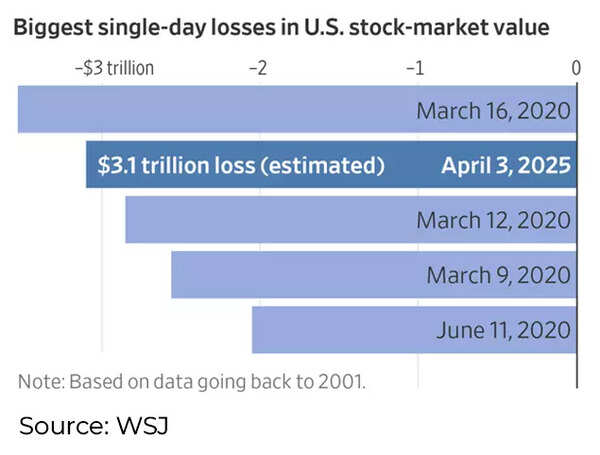
NEW YORK & LONDON — In the high-stakes theater of global semiconductor investing, few equities command the emotional extremes of Micron Technology (NASDAQ:MU). As market screens flash red amid shifting macroeconomic sentiment and transient fears of a semiconductor plateau, retail investors and momentum traders are running for the exits. Yet, for seasoned forensic equity analysts and enterprise-grade portfolio managers looking past the noise, the current pullback is not a signal to panic—it is an aggressive accumulation window. The disconnect between Micron’s fundamental integration into the generative artificial intelligence (AI) infrastructure stack and its depressed forward valuation multiples creates a classic mispricing anomaly.
To understand why I am actively buying Micron stock while the Street hyperventilates over short-term cyclicality, one must dismantle the prevailing narrative. The bearish consensus rests on an antiquated premise: that Micron is merely a commoditized manufacturer of Dynamic Random-Access Memory (DRAM) and NAND flash memory, helplessly bound to the boom-and-bust cycles of consumer electronics, PC shipments, and smartphone demand. That thesis is fundamentally obsolete. Micron has successfully transformed itself into an indispensable linchpin of high-performance cloud compute architecture, data center scaling, and enterprise-level AI training workloads.
The Catalyst: How High Bandwidth Memory Rewrote the Rules
Test Our Free AI & Tech Utilities Suite
Calculate LLM API token costs, analyze article dwell-time, or simulate tech DCA returns.
The turning point for Micron began with the commercialization and aggressive scaling of High Bandwidth Memory, specifically HBM3E. In the ecosystem of accelerated computing—dominated by NVIDIA’s Hopper and Blackwell architectures—memory bandwidth has become the ultimate chokepoint. Traditional DRAM cannot keep pace with the massive parallel processing demands of large language models (LLMs). Without advanced 3D-stacked memory architectures, even the most powerful graphics processing units (GPUs) sit idle, starved of data.
Micron’s engineering triumph with HBM3E, which consumes significantly less power while delivering unprecedented throughput compared to rival offerings, secured the company coveted supply slots in tier-1 enterprise cloud infrastructure. Major hyperscalers—including Microsoft Azure, Amazon Web Services (AWS), and Google Cloud—are engaged in a multi-billion-dollar capital expenditure super-cycle to secure compute capacity. Because Micron’s HBM output is effectively sold out through calendar year 2025, the company enjoys unprecedented revenue visibility and pricing power that legacy cyclical models fail to account for.
Furthermore, regulatory compliance, geopolitical trade corridors, and supply chain security have elevated memory manufacturing to a matter of national economic sovereignty. With substantial backing from the U.S. CHIPS Act, Micron is expanding its domestic manufacturing footprint in Idaho and New York, ensuring long-term structural subsidies that lower its effective capital intensity and bolster its balance sheet resilience.
Dissecting the Numbers: Valuation, Margins, and Cash Flow

To ground this thesis in empirical reality, we must examine the financial mechanics driving Micron’s transformation. Market panics often compress price-to-earnings (P/E) and enterprise value-to-EBITDA multiples indiscriminately, punishing innovative leaders alongside lagging competitors.
| Metric / Indicator | Prior Cycle Average (2018-2022) | Current Status (FY 2024-2025) | Strategic Implication |
|---|---|---|---|
| Gross Margins | Volatile (25% - 50%) | Expanding sharply toward high-40% / low-50% range | HBM product mix shifts revenue toward high-margin tiers. |
| Capacity Utilization | Prone to oversupply & aggressive price wars | Disciplined; supply strictly managed against demand | Eliminates destructive inventory gluts of the past. |
| End-Market Concentration | Heavy reliance on PCs and Mobile handsets | Pivoted heavily toward Enterprise Data Center & AI | Secures stickier, higher-margin enterprise contracts. |
| Free Cash Flow Profile | Erratic, highly cyclical troughs | Accelerating rapidly, supporting robust capital allocation | Funds future R&D and shareholder return programs. |
The data clearly demonstrates that Micron is operating in a fundamentally altered paradigm. When gross margins expand due to a high-value product mix rather than raw volume output, the earnings leverage is profound. Wall Street analysts projecting a return to historical margin troughs are ignoring the secular shift in enterprise IT spending toward accelerated computing infrastructure.
Industry & Market Implications: Winners, Losers, and Macro Pressures
The broader economic fallout of this memory evolution creates distinct winners and losers across the global semiconductor value chain:
- The Winners: Enterprise hyperscalers partnering directly with Micron secure uninterrupted memory allocations, maintaining their competitive edge in model training. Specialized foundries and equipment manufacturers (such as advanced packaging and lithography providers) also benefit from the multi-year transition to 3D-stacked architectures.
- The Losers: Legacy memory suppliers slow to transition from commoditized DDR4/DDR5 to advanced HBM will find themselves squeezed out of high-end data center bids, forced into a commoditized price war with lower-tier competitors. Consumer device manufacturers face persistent component cost pressures as memory producers prioritize lucrative AI data center allocations over PC and smartphone supply.
- Macroeconomic Landscape: Persistent inflation and interest rate volatility have injected baseline market liquidity concerns. However, corporate balance sheets among tier-1 tech titans remain robust, insulating enterprise AI infrastructure investments from broader consumer downturns.
Frequently Asked Questions (People Also Ask)
Why is Micron stock falling if AI demand is supposedly booming?
Market pullbacks in Micron are frequently driven by macro-level sector rotation, short-term profit-taking, and lingering investor trauma from past memory cycles. Short-term traders often project historical commodity-memory oversupply onto Micron's modern, HBM-driven business model, creating a temporary valuation disconnect.
How does Micron's HBM3E compare to competitors like SK Hynix and Samsung?
Micron has successfully positioned its HBM3E product as a market leader in power efficiency, consuming significantly less energy per gigabyte transferred than competing solutions. This efficiency metric is crucial for hyperscalers managing massive data center power constraints and cooling operating expenses.
Is Micron's valuation attractive for long-term investors right now?
From an enterprise ROI and forward earnings perspective, Micron trades at a steep discount relative to broader artificial intelligence semiconductor peers. As earnings power scales through the realization of multi-year enterprise contracts, forward valuation multiples contract rapidly, making current levels an attractive risk-adjusted entry point.
What are the primary risk factors that could invalidate this bullish thesis?
Key risk factors include unexpected macroeconomic shocks that severely depress enterprise IT budgets, faster-than-anticipated capacity expansion by competitors leading to premature pricing pressure, and potential regulatory or geopolitical disruptions impacting global semiconductor supply chains.
Future Outlook: Milestones and What to Watch Next
As we navigate the quarters ahead, intelligent market participants must separate daily price volatility from fundamental business momentum. Key milestones to monitor include quarterly earnings commentary regarding HBM allocation yields, gross margin sustainability targets, capital expenditure discipline reports, and enterprise cloud provider capex announcements.
Micron Technology is no longer merely a cyclical pawn at the mercy of consumer electronics whims. It is a critical architect of the modern intelligence economy. When the broader market panics over transient headwinds, disciplined capital allocators recognize the opportunity to accumulate institutional-grade assets at distressed prices. I am buying, not panicking.