BOCA CHICA, Texas — In a watershed moment for commercial aerospace and interplanetary exploration, SpaceX successfully launched its Starship mega-rocket into orbit for the very first time. The monumental milestone, achieved during a high-stakes and dramatic Flight 14 test, marks the definitive crossing of a technological Rubicon for Elon Musk’s private space enterprise and reshapes the global geopolitical and economic calculus of space access.
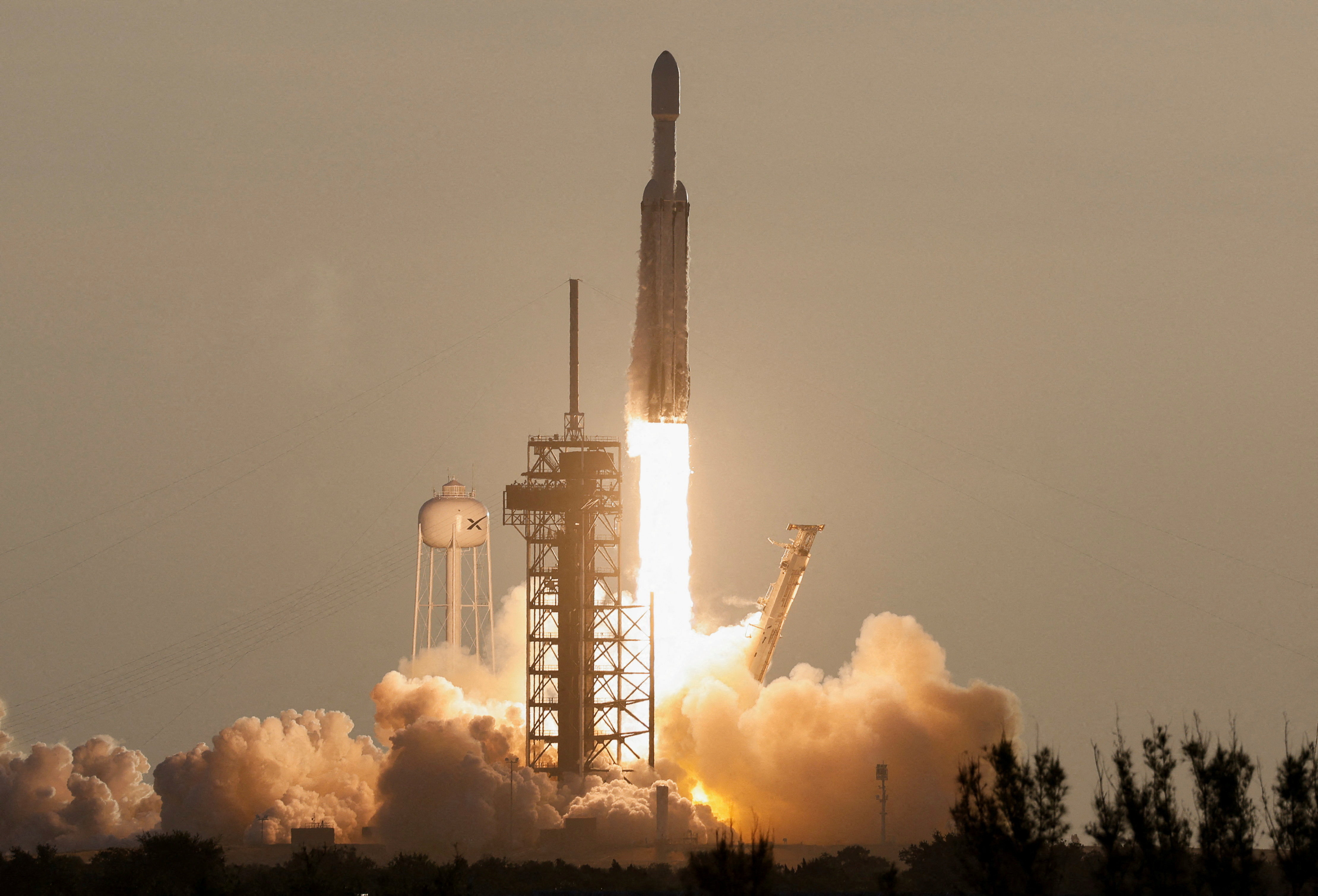
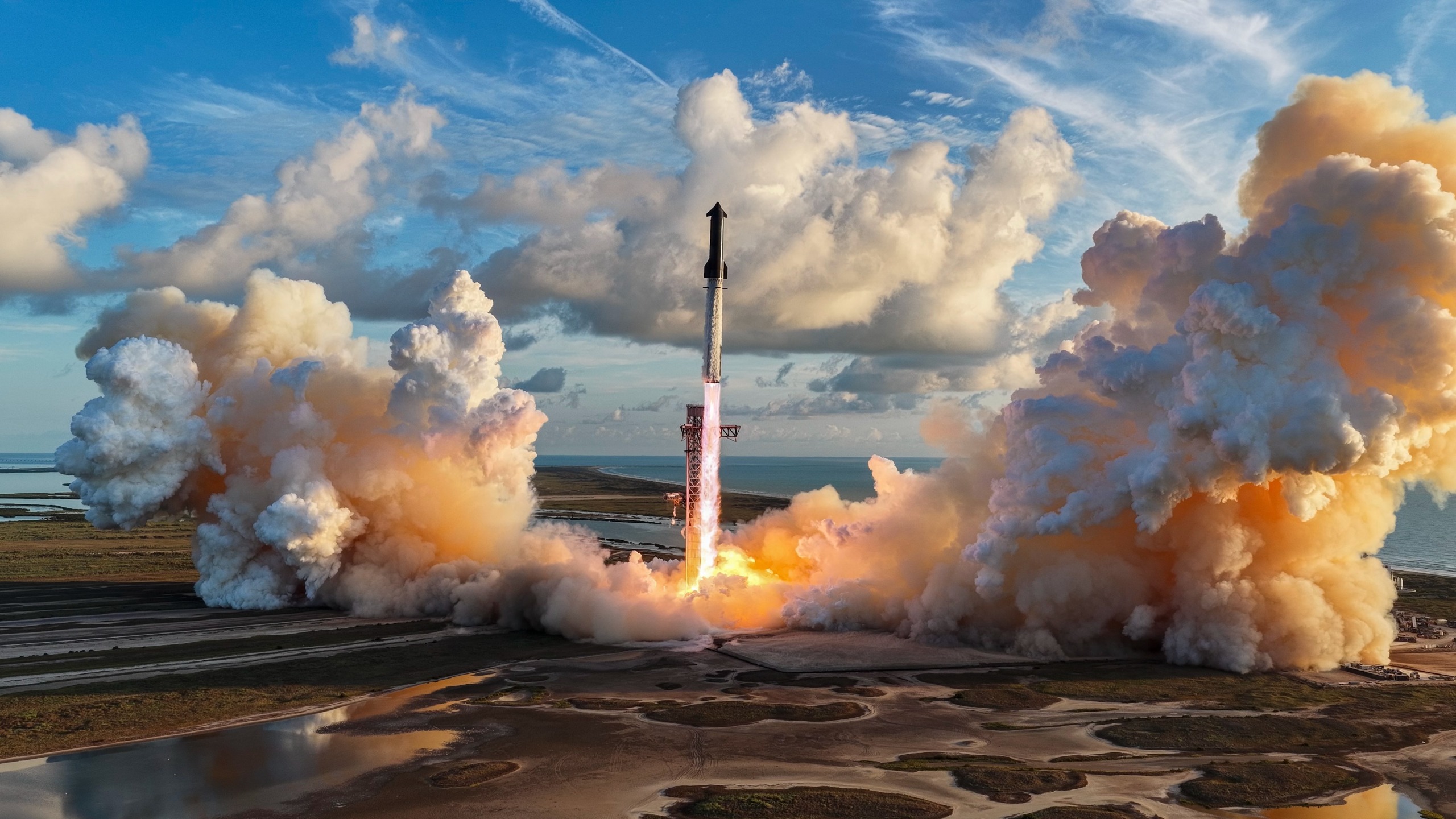
Lifting off from the company’s Starbase facility in South Texas, the colossal 400-foot-tall vehicle—the largest and most powerful rocket ever built—cleared the launchpad with thunderous authority. Following a meticulously choreographed ascent sequence, mission controllers confirmed that the spacecraft successfully achieved orbital insertion, validating years of explosive tests, regulatory hurdles, and billions of dollars in capital expenditure.
A Defining Milestone for Commercial Spaceflight
The successful orbital insertion of Flight 14 instantly electrifies global markets and aerospace supply chains. For years, skeptics pointed to a series of high-profile, fiery explosions during early developmental flight tests as evidence that the stainless-steel titan was too complex, too heavy, or too radically ambitious to succeed.
Those narratives evaporated on Monday. By proving that Starship can survive the punishing thermal and structural dynamics of atmospheric ascent and achieve orbit, SpaceX has effectively unlocked the foundational architecture required for heavy-lift cargo transport to the Moon, Mars, and beyond.
- The Vehicle: Standing approximately 400 feet tall, Starship combines the Super Heavy booster and the Starship spacecraft, both designed for full and rapid reusability.
- The Stakes: NASA has staked a significant portion of its Artemis lunar ambitions on a human-landing-system variant of Starship, making Monday's success vital for U.S. geopolitical positioning in space.
- Market Reaction: Aerospace equities and defense contractors are aggressively recalibrating long-term strategies as the dawn of low-cost, ultra-heavy orbital payload delivery accelerates.
Anatomy of Flight 14: Engineering the Impossible
The road to Flight 14 has been paved with relentless iteration. Unlike traditional aerospace programs that rely on years of wind-tunnel simulations before a single flight, SpaceX has championed a rapid, test-to-failure philosophy. Each prior flight test provided critical telemetry regarding stage separation, aerodynamic control surfaces, and heat-shield tile adhesion.
During Monday's flight, telemetry screens inside SpaceX mission control flickered with green indicators as the Super Heavy booster executed its hot-staging maneuver—a complex technique where the upper-stage engines ignite while still attached to the lower booster. Following separation, the booster successfully executed its flip and boostback burn, while the Starship upper stage powered onward into low-Earth orbit.
Industry analysts emphasize that reaching orbit is only half the battle; the long-term economic viability of Starship hinges on its ability to execute controlled re-entries and pinpoint landings. However, securing the orbital milestone removes the single greatest technical existential risk facing the program.
Global Economic and Strategic Implications
The economic ramifications of a fully operational Starship cannot be overstated. Current heavy-lift rockets, while marvels of modern engineering, are constrained by payload mass and volume limitations that drive up the cost per kilogram to orbit. Starship is designed to reduce launch costs by orders of magnitude, transforming low-Earth orbit from an exclusive domain of governments and elite corporations into an accessible industrial frontier.
| Metric / Parameter | Specification | Strategic Significance |
|---|---|---|
| Rocket Height | ~400 feet (121 meters) | Largest and most powerful launch vehicle in history. |
| Payload Capacity | 100–150 metric tons (fully reusable) | Enables massive orbital infrastructure and deep-space missions. |
| Primary Engines | Raptor (Liquid Methane/Liquid Oxygen) | Delivers unprecedented thrust-to-weight ratio. |
| Key Milestone | First Successful Orbital Insertion (Flight 14) | Validates core architecture for NASA Artemis and Mars transit. |
Wall Street analysts note that telecommunications, defense, and orbital manufacturing sectors are poised for immediate disruption. The ability to deploy massive constellations of next-generation satellites in a single launch will compress deployment timelines and slash capital expenditures for commercial operators.
The Road Ahead: What’s Next for SpaceX?
With the orbital threshold successfully crossed, SpaceX’s engineering teams will immediately pivot to analyzing the vast cache of telemetry data gathered during Flight 14. The immediate priorities for the program moving forward include:
- Refining thermal protection systems to ensure zero-tile-loss degradation during high-speed atmospheric re-entry.
- Demonstrating in-space propellant transfer, a critical capability required for long-duration missions to the Moon and Mars.
- Achieving full-stack catch-and-reuse operations using the "Mechazilla" launch tower arms for both the Super Heavy booster and the Starship spacecraft.
As retail investors, institutional funds, and international space agencies digest the monumental shift signaled by Flight 14, one reality remains indisputable: the rules of the cosmos have been rewritten, and humanity’s industrial footprint is officially expanding beyond Earth's gravity well.
Frequently Asked Questions
Why is SpaceX's Starship considered the largest rocket ever built?
Starship stands approximately 400 feet tall and generates over 16 million pounds of thrust at liftoff, eclipsing the Saturn V rocket from the Apollo era and NASA's modern Space Launch System (SLS) in both physical dimensions and payload capacity.
What does reaching orbit mean for the NASA Artemis program?
NASA selected SpaceX to provide a modified Starship as the Human Landing System (HLS) to ferry astronauts from lunar orbit to the Moon's surface. Successfully demonstrating orbital capabilities is a mandatory prerequisite for certifying the vehicle for crewed lunar missions.